

How the Declining Population of African Elephants Affects Ecosystems
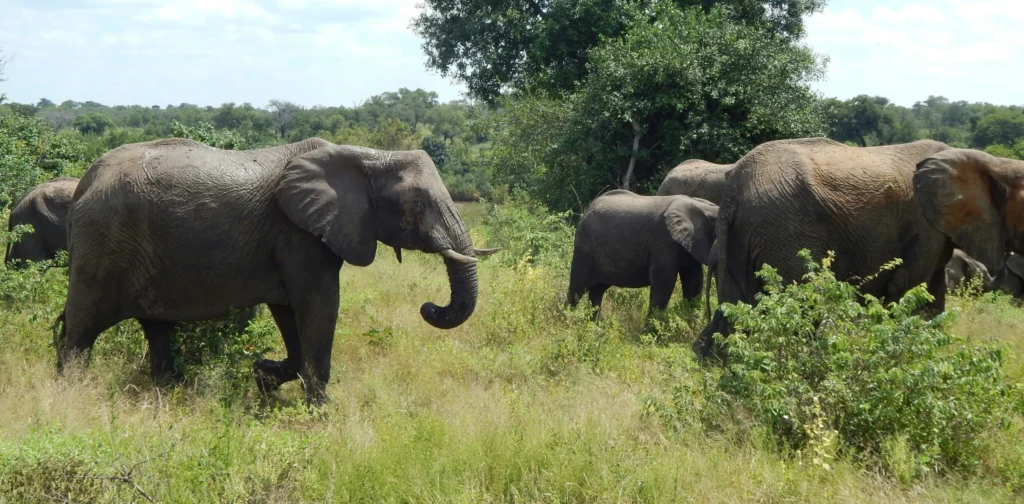
Photo: Josie Weiss on Unsplash.
The living beings on Earth coexist with one another. In Africa, for instance, elephants have notable roles in shaping habitats and promoting plant growth. However, as the number of African elephants dwindles, how does it impact ecosystem wellbeing?
African Elephants: Ecosystem Engineers
African elephants roam through 37 countries across Africa. These giant mammals are known as ecosystem engineers, helping to form the landscape they inhabit to support other animals and plants.
For instance, when they push over trees as they move, these elephants help create new habitats for smaller animals. Meanwhile, they support plant seed dispersion by eating fruits and discharging dung while moving. A study shows that African savanna elephants can transport seeds as far as 65 kilometers, underscoring their crucial role in maintaining the ecosystems.
However, data from the International Union for Conservation of Nature (IUCN) shows a significant decline in the African elephant population in 2021. For the African forest elephants, the population declined by 86% over a period of 31 years, while the African savanna elephant population decreased by at least 60% in the span of five decades. Excessive poaching for their ivory is the biggest reason behind this decline. Additionally, land use change for agriculture also poses a significant threat.
Then, how does this decline affect tree populations?
Declining Tree Population
The absence of African elephants means there is a missing key link that prevents the ecosystem from running well. A study published in the Science Advances finds that the dwindling population of African elephants has led to a decline in the African ebony tree population in Cameroon.
The plant is an important commodity for local communities. It can be utilized for a wide range of purposes, including food, medicine, and construction, highlighting ebony’s role in driving socio-economic development. At the same time, the tree is designated a vulnerable tree species according to the IUCN’s Red List criteria.
The study finds that ebony regeneration, population, and gene flow are declining in areas where African elephants are absent, which account for 65% of the tree’s distribution areas. Furthermore, the study also reveals that ebony trees in the area rely on elephants for dispersing their seeds, where elephant dung enhances seed survival and the germination process more effectively than other animals, such as rodents and monkeys. Rotten ebony fruits found in areas without elephants indicate that they are less likely to survive and germinate compared to dispersed seeds.
Ending Harmful Activities
Humans depend on nature to survive, meaning that any activities that harm nature will eventually bring consequences back to us. Therefore, halting rampant poaching and illegal wildlife trade is an integral part of safeguarding the African elephant population, and eventually the ebony trees that support local communities.
The connection between humans, animals, plants, and the environment in which they live illustrates the importance of existing in harmony with each other. This means that we must put an end to exploitative practices for the sake of economic gains and shift focus to uphold the rights, protection, and conservation of other living beings on Earth.
Editor: Nazalea Kusuma
 Looking into Green Ramadan Initiatives Worldwide
  The Widespread Impacts of Severe Drought in Somalia
  Ensuring Access to Justice for Women and Girls
  The Invisible Infrastructure: What ASEAN’s Carbon Market Needs Most
  Indonesia Ruled to Recognize Chronic Illness as a Disability
  Clean Cooking as a Developmental Multiplier in Africa