

Looking into Mobile-based Early Warning Systems
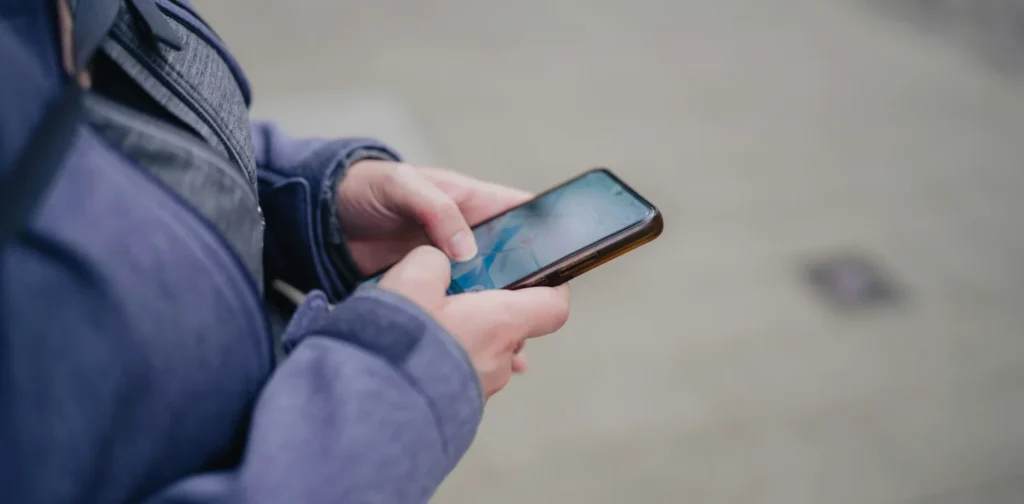
Photo: Valentin on Unsplash.
For decades, efforts have gone into understanding and minimizing earthquake risks. The work to strengthen disaster preparedness for what is considered one of the deadliest and most costly disasters must continue. In this light, mobile-based early warning systems offer an option to support efficient, inclusive, and widespread early warning systems.
Cost and Fatalities
Earthquakes can occur due to natural occurrences like tectonic plate ruptures and volcanic activities as well as human activities like fracking and nuclear tests. These events lead to seismic waves on various scales; the highest can lead to huge losses of life. The UNDRR recorded five earthquakes with 50,000 or more fatalities each since 2000.
Furthermore, earthquakes can trigger other disasters, such as landslides and tsunamis, which cause greater damage. For example, in 2004, the 9.3 magnitude megathrust earthquake in the Indian Ocean led to tsunami waves, causing over 200,000 fatalities.
Beyond costing lives, earthquakes also pose a significant economic burden. Between 1970 and 2023, earthquakes and other geophysical disasters accounted for an estimated USD 1.59 trillion economic cost. The number excludes the cost of compounding disasters triggered by earthquakes. Reducing the human and economic costs of disasters entails improving preparedness measures that can reach everyone in times of need.
Mobile-based Early Warning Systems
Early warning systems are key to disaster preparedness. The United Nations has introduced the Early Warnings for All initiative, calling for universal protections from hazardous events through multi-hazard early warning systems. This includes strengthening warning and risk communication to ensure widespread awareness.
Three out of four people own a mobile phone nowadays, which opens up opportunities to integrate disaster warning into mobile networks. To improve inclusivity and broaden reach, mobile-based early warning systems have been increasingly deployed in disaster preparedness.
For instance, the European Union adopted a law in 2018 requiring all EU countries to implement public alert systems. This ranges from cell broadcast systems and location-based short messages to app notifications, which will send quick disaster alert messages to people’s mobile phones in certain regions.
Other developments of mobile-based early warning systems include the warning systems in Android phones. This system can detect initial seismic waves with an accelerometer sensor. Then, it will send a signal to the server with approximate locations and magnitude. The server will run a quick analysis based on the Android phones within the area to confirm potential earthquakes before sending out the alerts. To receive the warnings, phones must have connectivity and enable alert features.
The Android system can send two alerts. Estimated light shaking will send a pop-up notification for awareness, while an alert for stronger shaking will take over the phone screen and play a loud sound. The stronger alert comes with instructions for protective measures, such as the Drop, Cover, and Hold On step.
The challenge lies in ensuring the alert’s accuracy. “The magnitude tells us how big the earthquake is, which in turn determines how far the shaking will travel and who needs to be alerted. Getting this right is crucial—underestimate, and you might not warn people in danger; overestimate, and you risk sending out false alarms that erode public trust,” said Marc Stogaitis, the Principal Software Engineer at Android.
Better Disaster Preparedness
Communicating risks and actionable information in a clear and timely manner can make a difference. The small time window can encourage people to take protective actions against the impending disasters.
Therefore, leaning towards mobile-based early warning systems with continuous improvement in accuracy can help strengthen disaster preparedness for all. Beyond alerting risks, the system must also integrate instructions for protective measures to enhance comprehensiveness. This will require collaboration between governments and tech companies to ensure responsible implementation, including protecting users’ privacy and data in the feature’s development. Additionally, being transparent about the feature’s reliability is also an important part of the developers’ accountability to the users.
Editor: Nazalea Kusuma
Co-create positive impact for people and the planet.
Amidst today’s increasingly complex global challenges, equipping yourself, team, and communities with interdisciplinary and cross-sectoral insights on sustainability-related issues and sustainable development is no longer optional — it is a strategic necessity to stay ahead and stay relevant.

Kresentia Madina
Madina is the Assistant Manager of Stakeholder Engagement at Green Network Asia. She holds a bachelor’s degree in English Studies from Universitas Indonesia. As part of the GNA In-House Team, she supports the organization's multi-stakeholder engagement across international organizations, governments, businesses, civil society, and grassroots communities through digital publications, events, capacity building, and research.
 The Widespread Impacts of Severe Drought in Somalia
  Ensuring Access to Justice for Women and Girls
  The Invisible Infrastructure: What ASEAN’s Carbon Market Needs Most
  Indonesia Ruled to Recognize Chronic Illness as a Disability
  Clean Cooking as a Developmental Multiplier in Africa
  Congo Basin Peatlands Are Releasing Ancient Carbon