

Looking into the Gender Pay Gap in Sports and What It Entails
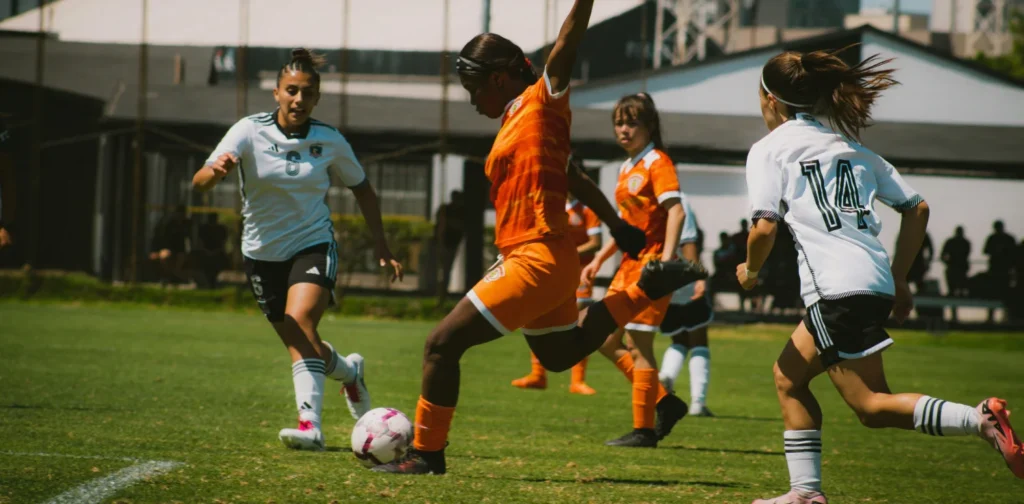
Luis Andrés Villalón Vega on Unsplash
Opportunities for women in various fields are expanding, and sports are no exception. Female athletes keep reaching new levels of visibility and success. Despite this progress, the gender pay gap in sports remains a stark reminder of persistent inequality, where women continue to earn far less than their male counterparts.
The Reality of Unequal Pay in Sports
Women’s sports are undeniably gaining momentum in today’s era. The 2023 FIFA Women’s World Cup alone drew an astonishing 2 billion viewers worldwide, while the Women’s Softball World Series has consistently surpassed the Men’s Baseball World Series in television ratings.
Yet, despite this progress, the reality of unequal pay in sports remains a persistent issue. Women athletes still earn significantly less than males, regardless of performance and popularity. A report from Parity reveals that that 78% of professional women athletes earned below $50,000, with 50% making less than $25,000. Furthermore, no woman athlete appeared in the top 100 highest-paid athletes in 2024, highlighting the vast financial disparity. The gap is even deeper for minority groups, such as women athletes of color and women athletes with disabilities.
Beyond the Gender Pay Gap
The struggles of women athletes go beyond the gender pay gap. For instance, tennis star Coco Gauff, the highest-paid woman athlete, earned $34.4 million in 2024. Yet, this amount wasn’t enough to rank among the world’s top 50 highest-paid athletes, where the cutoff approached $54 million.
Meanwhile, the average salary of a WNBA (Women’s National Basketball Association) player is around $64,000, a stark contrast to the NBA’s (National Basketball Association) average salary of over $1 million. Such statistics demonstrate that while women’s sports revenues and earnings are increasing, the gender pay gap remains significant.
Moreover, many women athletes spend almost half of their earnings on travel, training, and equipment, leaving them in financial difficulty. As such, female athletes often seek additional sources of income. They would play in overseas leagues or take on secondary jobs, which can affect their performance and career longevity.
Furthermore, this financial instability often becomes a significant source of stress. About 93% of respondents admitted to feeling stressed about their finances, with more than half of them describing themselves as “very” or “extremely” stressed. The persistent anxiety has pushed nearly two-thirds of them to consider early retirement from their sport, highlighting the severe toll financial pressures take on their mental health and professional aspirations.
Building Equity in Women’s Sports
Intentional investment in women’s sports by sponsors, leagues, and broadcasters is critical for driving financial growth and increasing visibility. Experts emphasize how sponsors and professional leagues can also address inequities by creating a 360-degree support system for women athletes. It includes, among others, providing essential support such as proper maternity leave, access to affordable healthcare, and on-site mental health professionals.
Beside industry-wide support and better opportunities, policy reforms are key. They should ensure better contracts with protections and benefits tailored specifically to women. Meanwhile, fans, media, and sports organizations must actively support and demand equitable pay and opportunities to sustain the momentum.
Addressing the gender pay gap in sports is fundamentally about tackling gender inequality. This means ensuring that women athletes are recognized as professional workers with the right to fair compensation, physical and mental wellbeing, and equal opportunities. After all, it is a matter of justice and respect for current and future athletes’ hard work, performance, and potential.
Editor: Nazalea Kusuma
 Impacts of E-waste Pollution on Animals and Human Health
  Africa’s Solar Energy Surge: Why 2025 Was a Breakthrough Year
  Agrihoods: Integrating Farms and Urban Neighborhoods into Sustainable Communities
  Women in Waste Management: Asia’s Circularity Runs on Women. Its Policies Still Don’t
  Embracing the Business Value of Sustainability
  American Farmers Call for Government Support Amidst PFAS Contamination