

Mapping Rooftop Solar Installations in the Philippines
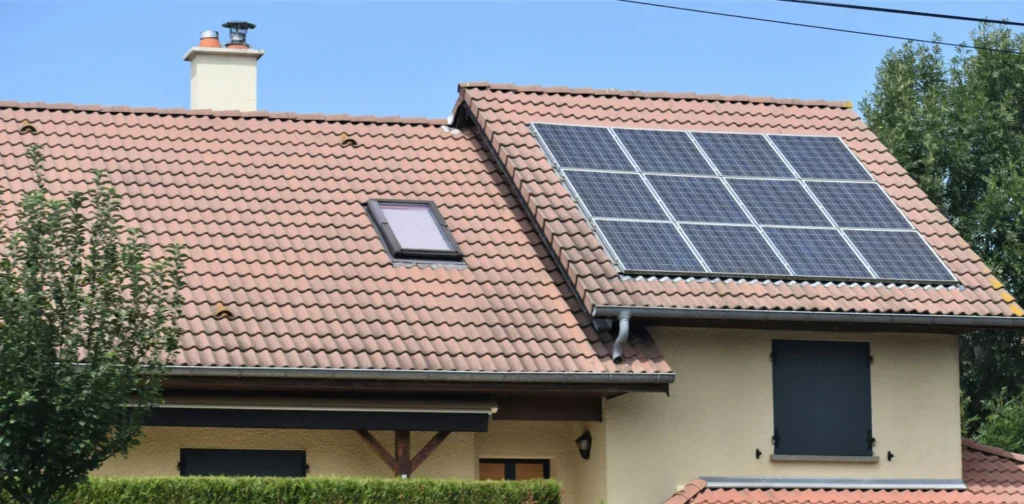
Photo: Daniele La Rosa Messina on Unsplash.
Harnessing the potential of renewable energy is integral to the global energy transition effort. In Southeast Asia, the Philippines is among the countries with a significant amount of solar power. To properly estimate and utilize the operating capacity, a solar mapping tool that utilizes satellite imagery to detect rooftop solar installations nationwide has emerged.
Renewable Energy in the Philippines
As an archipelagic country, the Philippines is among the most vulnerable countries against climate change. Sea level rise, in particular, is a threat to the country’s many coastlines and small islands. At the same time, the country remains reliant on fossil fuels, which generated 79% of its electricity in 2024. Accelerating the phaseout of coal and shifting to renewable energy are crucial steps in the country’s decarbonization efforts.
The Philippines has among the largest renewable energy resources among ASEAN Member States, particularly in solar and wind energy. According to the global energy think tank Ember, the country’s solar generation grew by 39% between 2022 and 2023, from 1.8 TWh to 2.5 TWh. In terms of renewable energy capacity, the government statement also reveals significant progress, with an increase of 794.34 megawatts (MW) in 2024. This number exceeded the total installation in the previous three years.
Mapping Rooftop Solar Installations
Many rooftop solar installations in the Philippines remain unregistered in the national database, making it difficult to fully assess their capacities. Meanwhile, having accurate real-time data can further enhance the growth and potential of renewable energy implementation. For instance, the data can serve as the basis for more renewable energy projects and models, including in terms of demand based on geography and demography. Therefore, it should support the country’s plan to increase its renewable share in the power generation mix by 35% by 2030 and 50% by 2040.
In July 2025, the Institute for Climate and Sustainable Cities (ICSC) launched SPECTRUM, a proprietary model and web platform that utilizes satellite images to map rooftop solar installations in the Philippines. SPECTRUM can detect several categories of rooftop solar installations, including residential (below 100 kilowatts), commercial and industrial (above 100 kilowatts), and utility-scale (above 1 megawatt). The current model has an accuracy of above 85% and has detected 1.8 megawatts of rooftop solar capacity nationwide.
Advancing Renewable Energy Progress
Solar photovoltaic (solar PV) showed the largest growth in renewable energy generation in 2023. The International Energy Agency states that this growth rate almost reaches the projected level to support the net-zero emission by 2050 scenario. Beyond real-time and accurate data, advancing renewable energy also requires efforts that align with a just transition principle, including strengthening workers’ welfare and wellbeing as well as ethical and responsible critical mineral sourcing. Ultimately, all decarbonization efforts to address climate concerns must uphold the rights of people and the planet, for today and the future.
Editor: Nazalea Kusuma

Kresentia Madina
Madina is the Assistant Manager of Stakeholder Engagement at Green Network Asia. She holds a bachelor’s degree in English Studies from Universitas Indonesia. As part of the GNA In-House Team, she supports the organization's multi-stakeholder engagement across international organizations, governments, businesses, civil society, and grassroots communities through digital publications, events, capacity building, and research.
 The Invisible Infrastructure: What ASEAN’s Carbon Market Needs Most
  Indonesia Ruled to Recognize Chronic Illness as a Disability
  Clean Cooking as a Developmental Multiplier in Africa
  Congo Basin Peatlands Are Releasing Ancient Carbon
  From Anxiety to Action: How Youth Climate Activism Is Evolving
  India’s Supreme Court Declared Menstrual Health and Hygiene as Fundamental Rights