

Restoring Aral Sea’s Dried-Up Ecosystem
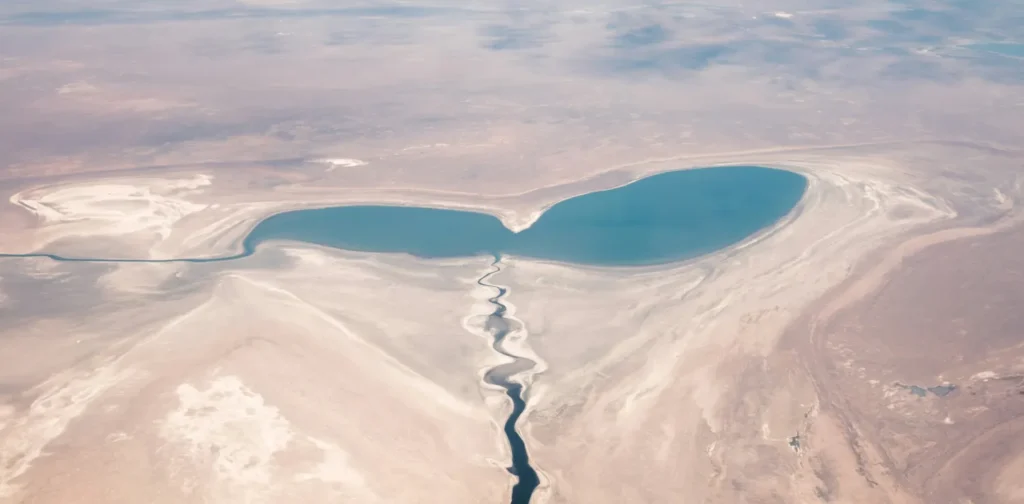
Photo: Patrick Schneider on Unsplash.
Overexploitation of natural resources can completely alter an ecosystem to the point of destruction. In Central Asia, the dried-up Aral Sea presents an example of severe environmental degradation, which has affected the lives of many. The good news is that the rehabilitation process is in progress.
The Drying Lake
The Aral Sea was once the fourth-largest continental water body in the world. Located between Kazakhstan and Uzbekistan, this freshwater lake originally spanned 68,000 sq km and went 40 meters deep.
The decline began in the 1960s due to the overharvesting of the rivers that fed the lake for large-scale irrigation, particularly in cotton production. As a result, the Aral Sea suffered from rapid shrinkage and increased salinity until it dried up in the 2010s. What is left is a barren land where no water flows, and plants are difficult to grow.
Communities around the lake were greatly affected by a lack of water sources. Both Kazakhstan and Uzbekistan are landlocked countries, which means accessing water can be incredibly challenging. Additionally, the dried-up terrain released 80-100 million tons of dust every year, causing respiratory diseases and other public health issues for the surrounding communities.
Aral Sea Restoration Efforts
Fortunately, not all hope is lost. From governments to organizations, many have been trying to gradually bring the Aral Sea back to life.
One example is planting certain types of vegetation to combat desertification. Under the Aral Sea Environmental Project in Kazakhstan, a team of ecologists has been planting black saxaul trees in the North Aral Sea region to help contain dust and improve resiliency against climate change. The trees can withstand the relatively harsh environment, and their roots can hold up to 4,000 kilograms of sand.
Similar measures have also been implemented by researchers from the United Nations Development Programme (UNDP) while also observing other existing vegetation that can thrive in such an environment, such as juzgun, sand acacia, sea buckthorn, and various species of willow. Beyond introducing new vegetation, the UNDP also found that water sources exist below the dried-up areas, going as far as 490 meters underground. Still, the water must go through a desalination process before being consumed.
Restorations and Responsibilities
The natural environment provides us with the necessary resources to live. Aral Sea’s rehabilitation progress signifies that ecosystem restoration projects are possible, and more support is required to create a widespread impact.
As the global population grows and the demand for goods increases, it is even more crucial that we do not sacrifice biodiversity and ecosystems to accommodate those needs. Safeguarding nature’s right to exist and thrive is how we can secure a better future for the next generations.
Editor: Nazalea Kusuma
Co-create positive impact for people and the planet.
Amidst today’s increasingly complex global challenges, equipping yourself, team, and communities with interdisciplinary and cross-sectoral insights on sustainability-related issues and sustainable development is no longer optional — it is a strategic necessity to stay ahead and stay relevant.

Kresentia Madina
Madina is the Assistant Manager of Stakeholder Engagement at Green Network Asia. She holds a bachelor’s degree in English Studies from Universitas Indonesia. As part of the GNA In-House Team, she supports the organization's multi-stakeholder engagement across international organizations, governments, businesses, civil society, and grassroots communities through digital publications, events, capacity building, and research.
 Ensuring Access to Justice for Women and Girls
  The Invisible Infrastructure: What ASEAN’s Carbon Market Needs Most
  Indonesia Ruled to Recognize Chronic Illness as a Disability
  Clean Cooking as a Developmental Multiplier in Africa
  Congo Basin Peatlands Are Releasing Ancient Carbon
  From Anxiety to Action: How Youth Climate Activism Is Evolving