

Tasty Mold: Using Fungi for Food Waste Upcycling
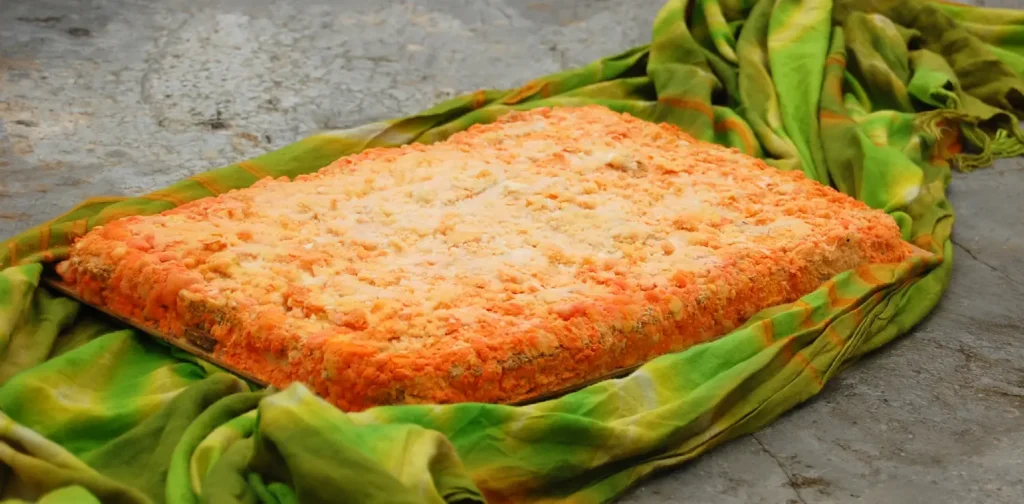
Photo by Hariadhi on Wikimedia Commons
The rapidly growing demand for agricultural products has generated more waste, which can be harmful if improperly treated. Food waste upcycling utilizing fungi can be a viable option to create delicious food while contributing to sustainable food practices.
A Valuable Waste
Food waste is a major problem today. The Food and Agriculture Organization (FAO) estimates that one-third of all food produced, about 1.3 billion tons, is wasted yearly. This waste contributes around 8-10% of total greenhouse gas emissions. Some food waste releases methane, a greenhouse gas 80 times more potent than carbon dioxide. In light of the rapid global temperature increase, reducing and managing food waste becomes urgent.
Food waste upcycling has the potential to reduce environmental harm and energy loss. The process involves transforming the waste into new, edible products.
In Indonesia, for instance, people have traditionally used soybean waste as a common food source for generations. They do this by utilizing fungi and fermentation to turn waste into food that can be easily processed. The fungi commonly used in this process are Aspergillus and Neurospora, which break down complex carbohydrates and proteins in soybean waste. This fermentation process transforms the waste into a new food product that is more nutritious and easier to digest.
One widely consumed food made from soybean waste is oncom. Oncom is a staple food in Indonesia that is made from fermenting soybean or peanut byproducts with edible molds. It has a sponge cake-like texture and is rich in protein and probiotics. In addition to its nutritional content, this food is a favorite because of its nutty, earthy, and umami flavor.
Expanding the Use of Fungi
Inspired by oncom, a group of researchers from Berkeley conducted a study on using Neurospora fungi for food waste upcycling purposes. The study aims to explore the potential of creating waste-to-food products using fungi that align with Western diets and expand the use of fungi in sustainable food practices.
One experiment involved growing Neurospora intermedia on various types of food waste, ranging from fruit and vegetables to plant-based milk waste. The results showed that the fungi grew successfully on 30 different types of agricultural byproducts. They also conducted a survey using a fried oncom taste test, which received positive reactions from consumers who had never tried it before.
“Our discovery, I think, opens our eyes to these possibilities and unlocks further the potential of these fungi for planetary health and planetary sustainability,” said Hill-Maini, the lead researcher of the fungi waste-to-food study.
Sustainable Food Practice
Shifting to a more sustainable food system and reducing agricultural waste is crucial amid the current climate crisis. Among them is to practice waste-to-food processes. Hence, expanding and promoting such practices is essential so more people can transform edible food waste into nutritious food tailored to their dietary habits. In addition to reducing waste, sustainable food practices address food security by focusing on accessibility and affordability, as well as optimizing resources for food production. Therefore, governments must provide strong regulations to incentivize sustainable food production, ensure food security, and ultimately create better food systems for the wellbeing of all.
Editor: Kresentia Madina & Nazalea Kusuma

Dinda Rahmania
Dinda is an Assistant of International Partnerships at Green Network Asia. She holds a bachelor’s degree in International Relations from President University. As part of the GNA In-House Team, she supports the organization’s partnerships with international organizations, governments, businesses, and civil society worldwide through digital publications, events, capacity building, and research.
 Strengthening Resilience amid Growing Dependence on Space Infrastructure
  Indian Gig Workers Push Back Against 10-Minute Delivery Service Strain
  Call for Governance: Grassroots Initiatives Look to Scale Efforts to Conserve Depleting Groundwater
  Integrating Environment, Climate Change, and Sustainability Issues into Education Systems
  Finally Enforced: Understanding the UN High Seas Treaty
  Risks and Opportunities of Submarine Communication Cables for Sustainable Development