

The State of Plastic Pollution in Southeast Asia and East Asia
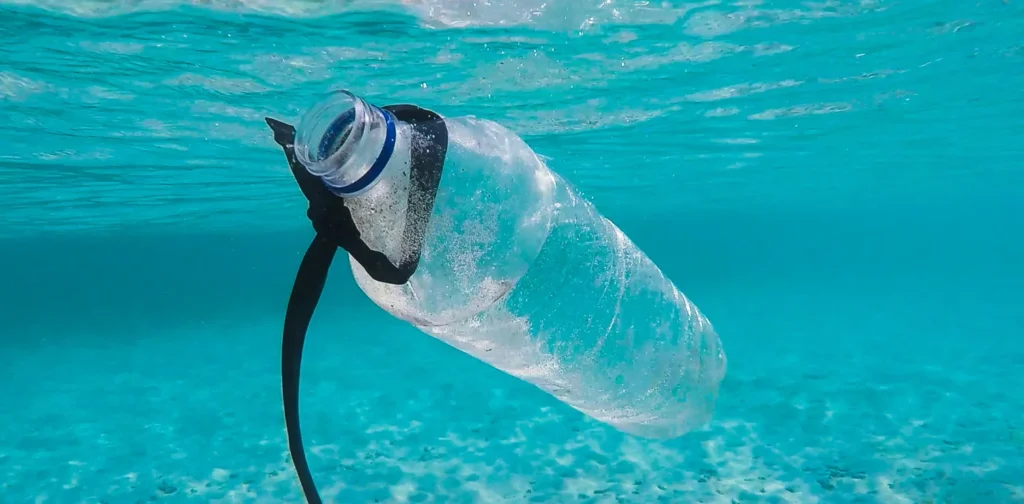
Photo: Brian Yurasits on Unsplash.
Despite its practicality in our daily life, plastic generates a significant amount of waste that does not go away. Mountains of plastic waste are seen on land, and even leaking into our waterways. Plastic pollution is a global concern that harms biodiversity and the environment and creates risks to human health. How are the state, challenges, and opportunities in Southeast Asia and East Asia?
Plastic Pollution in the APT
Plastic use in ASEAN countries, Japan, South Korea, and China increased ninefold, from 17 million tonnes (Mt) in 1990 to 152 Mt in 2022, according to a report by the OECD. Together, these regions are referred to as the ASEAN Plus Three (APT). The “Regional Plastics Outlook for Southeast and East Asia” report shares an overview of the state of plastic pollution, as well as challenges and opportunities to address the issue in APT.
The APT’s plastic use growth outpaces global trends. High-income and upper-middle-income countries are estimated to use over 100 kg of plastic annually, with the most common being single-use packaging. Coupled with insufficient waste management systems, this makes the region a hotspot for plastic pollution.
The region’s geography adds to the challenge. Coastlines with dense populations, long rivers, and archipelagic countries increase the prevalence of plastic leakage to the environment. The report notes that the APT accounted for 8.4 Mt of plastic leakage to the environment in 2022, which was over one-third of the total globally. This raises concerns of microplastic leakage, which has been increasingly found in plants, animals, and even human bodies. Undoubtedly, the economic, environmental, and health costs of plastic pollution are serious.
Uneven Progress
In response to the ongoing concerns, nine of the thirteen APT countries have formulated national action plans on waste management. This includes measures to prevent waste generation as well as to address plastic pollution and marine litter. At the regional level, ASEAN has adopted declarations and frameworks to address marine debris. Overall, the region aims to shift toward the circular economy.
Recycling is also progressing in the APT. The OECD report notes that the average recycling rate in the region reached 12%, which exceeds the global average of 10%. Some of the schemes implemented to boost recycling include incentivization and the Extended Producer Responsibility (EPR) framework for plastic packaging and other products. However, policies in this area remain at an early stage, with uneven progress between countries.
Additionally, the report also highlights the issue of mismanaged plastic waste. Inadequate infrastructure and financing for waste management become major obstacles, which lead to informal and unsafe practices. Open burning and dumping, for instance, persist in most ASEAN countries and China. Limited government capacity, financing constraints, and fragmented governance also lead to weak regulation enforcement.
Addressing Issues
Ending plastic pollution in the APT is an urgent step that requires comprehensive strategies tailored to the each country’s conditions and capacities. The report highlights several important measures to bridge existing gaps, such as expanding access to safe waste collection and disposal methods, scaling up recycling to reach household levels, reducing plastic consumption, and implementing clear policy frameworks on plastic use. At the same time, increasing monitoring systems and strengthening multi-stakeholder collaboration between governments, businesses, civil society, and consumers at large are also crucial steps to addressing issues.

Kresentia Madina
Madina is the Assistant Manager of Stakeholder Engagement at Green Network Asia. She holds a bachelor’s degree in English Studies from Universitas Indonesia. As part of the GNA In-House Team, she supports the organization's multi-stakeholder engagement across international organizations, governments, businesses, civil society, and grassroots communities through digital publications, events, capacity building, and research.
 The Widespread Impacts of Severe Drought in Somalia
  Ensuring Access to Justice for Women and Girls
  The Invisible Infrastructure: What ASEAN’s Carbon Market Needs Most
  Indonesia Ruled to Recognize Chronic Illness as a Disability
  Clean Cooking as a Developmental Multiplier in Africa
  Congo Basin Peatlands Are Releasing Ancient Carbon