

Understanding Air Pollution as Risks to Human and Planetary Health
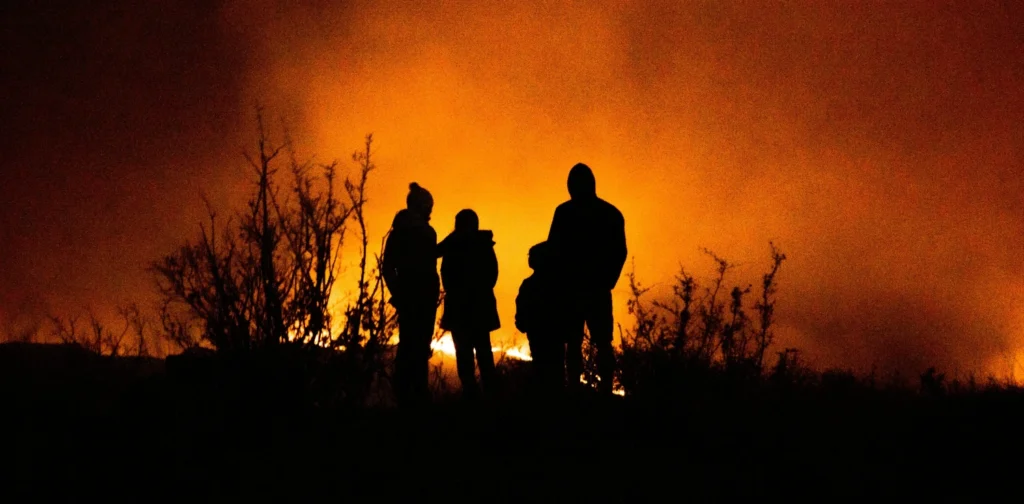
Photo: Caleb Cook on Unsplash.
Air pollution significantly affects human and planetary health, signifying the urgent need to address it. Understanding air pollution and its impacts on both our health and the environment becomes crucial in tackling the root causes of the issue.
Air Pollution Impacts Humans and the Earth
These days, breathing clean air feels like a luxury when it should be our right. The reality is that air pollution is among the leading public health issues globally, causing around 2.4 million premature deaths in 2019.
Contamination of multiple harmful particles in the air, from dust to fumes, is what makes excessive exposure to air pollution dangerous to humans. Inhaling too much air polluted with particulate matters (PM)—tiny particles suspended in the atmosphere—has been linked to respiratory issues and multiple chronic diseases.
Concerningly, air pollution also affects our planetary health by aggravating the climate crisis. Many of the sources of outdoor air pollution also emit high CO2 emissions, such as vehicle emissions and industrial activities. These emissions will exacerbate the climate crisis, which will, in turn, bring severe consequences for our health as well.
PM Sources Around the World
Particulate matter exists in many forms, the smallest of which can measure up to 2.5 micrometers or less. The World Meteorological Organization (WMO)’s Air Quality and Climate Bulletin highlights several sources of PM around the world, ranging from anthropogenic activities to natural disasters.
In India, for instance, the Indo-Gangetic Plain has experienced more frequent and dense fog, which is highly influenced by the high concentration of PM 2.5 in the air due to increased emissions from urban development and other activities. Additionally, the seasonal burning of agricultural biomass contributes to the emissions and enhances fog intensity. Long, persistent, and dense fog episodes are associated with severe health conditions, including asthma, bronchitis, and other respiratory issues. They also interfere with vision and can cause delays and accidents on the road.
Meanwhile, massive wildfires in South America bring about poor air quality due to heavy smoke and PM emissions. Wildfire both exacerbates and is exacerbated by the climate crisis, where it is increasingly driven by the warming planet while emitting substantial emissions that can make it worse. Brazil’s Amazon rainforest lost 44.2 million acres in 2024 due to wildfires, 66% more than the previous year. Losing rainforests means we are losing one pillar of defense against the accelerating climate crisis. Moreover, the extensive wildfires inflict damage to the surrounding ecosystems and society, particularly Indigenous Peoples, as well as cause widespread poor air quality in populated urban areas.
Integrated Approach Required
These interlinked connections underscore the urgency of addressing air pollution to support public health and mitigate climate change impacts. The issue also disproportionately impacts people who live in poverty due to a lack of access to clean cooking, occupational hazards, and living environments that may be closer to busy highways or industrial areas. Therefore, a multi-pronged approach is required.
Governments should fulfill their duty to uphold the right to clean air for their citizens by implementing strategies and interventions to reduce greenhouse gas emissions in transport, industrial, and other crucial sectors. Meanwhile, the private sector must transform away from business-as-usual and demonstrate responsibility and commitment in safeguarding people and the planet in their operations. Ultimately, interventions in disaster management, urban planning, agricultural practices, and public health must not be overlooked in creating integrated and effective solutions to address air pollution.
Editor: Nazalea Kusuma

Kresentia Madina
Madina is the Assistant Manager of Stakeholder Engagement at Green Network Asia. She holds a bachelor’s degree in English Studies from Universitas Indonesia. As part of the GNA In-House Team, she supports the organization's multi-stakeholder engagement across international organizations, governments, businesses, civil society, and grassroots communities through digital publications, events, capacity building, and research.
 Looking into Green Ramadan Initiatives Worldwide
  The Widespread Impacts of Severe Drought in Somalia
  Ensuring Access to Justice for Women and Girls
  The Invisible Infrastructure: What ASEAN’s Carbon Market Needs Most
  Indonesia Ruled to Recognize Chronic Illness as a Disability
  Clean Cooking as a Developmental Multiplier in Africa