

Urgent Call to Address Occupational Heat Stress to Protect Workers’ Safety and Wellbeing
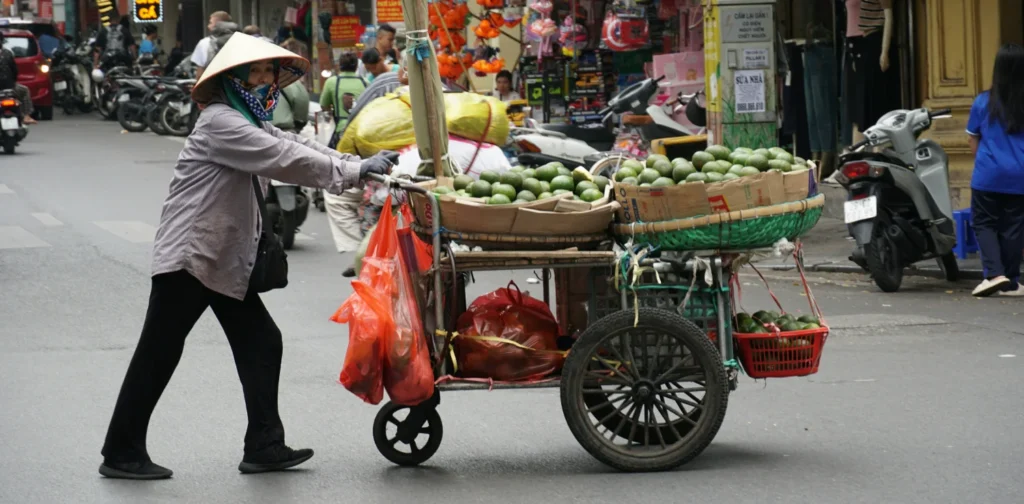
Photo: Sheila C on Unsplash.
Each individual has the right to work in order to fulfill and sustain their life. However, our planet is becoming hotter, which intensifies the risks of occupational heat stress and directly affects workers’ safety and productivity. So, implementing a cohesive action plan to address these challenges has become urgent.
Exposure to Heat at Work
These days, going outside feels more scorching, and direct contact with sunlight feels increasingly intense. Whether commuting to work or spending long hours on a job site, the heat is no longer just uncomfortable; it is becoming a real health hazard.
According to the International Labor Organization (ILO), more than 70% of workers globally are being exposed to excessive heat at work. This means that more than 2 billion people are at risk of occupational heat stress, where long exposure to excessive heat may lead to serious health issues like heat stroke, dehydration, kidney injury, and cardiovascular disease. ILO’s report further reveals that heat exposure has caused 22 million injuries at work annually.
People who work outdoors, such as street vendors, construction workers, and farmers, are directly exposed to the sun with little to no access to shade or cooling facilities. The physically demanding nature of these jobs further increases risks.
Moreover, it is not only outdoor workers who face danger. Indoor workers in factories, warehouses, kitchens, or poorly ventilated buildings are also vulnerable to occupational heat stress, as heat can build up from machinery or become trapped indoors. These risks can be just as harmful, yet are often underestimated.
WHO’s Guide for Occupational Heat Stress
Public heat warnings often advise people to stay indoors, drink water, or avoid the sun. But for many workers, it is not feasible. They cannot simply stop working as their lives might depend on daily or hourly income. This is why tailored workplace actions and policies are crucial, especially as heat risks keep growing.
In August 2025, the World Health Organization (WHO) released a report and guide calling for the implementation of Occupational Heat Action Programmes (OHAPs) to protect workers. It includes six core elements, which are a workplace heat stress policy, a plan for heat acclimatization, environmental monitoring, medical checks with training and hydration, an emergency response plan, and job-specific controls.
Furthermore, the WHO recommends several key steps to protect workers from occupational heat stress, including:
- Heat exposure assessments: Workplace safety officers must measure the temperature and humidity in workplaces to identify risks.
- Protective workplace practices: Employers must ensure the availability of shaded rest areas, clean drinking water, and flexible working hours during peak heat for workers to prevent injuries
- Medical surveillance: Employers must monitor workers for signs of heat illness, especially among older employees and those with existing health conditions.
- Awareness and training: Training is needed to help both employers and employees recognize symptoms and respond quickly in emergencies.
- Policy integration: Heat protection must be included in national occupational health rules and climate adaptation strategies.
A Collective Responsibility
Creating an action plan to address occupational heat stress requires collective responsibility. OHAPs should be co-created by workers, employers, occupational health experts, and the government. Developing a national standard on heat protection measures and social protection mechanisms is needed to ensure nationwide implementation. Meanwhile, employers should also provide safer workplaces through cooling facilities and adjusted work shifts.. All in all, collaboration is key. Shared responsibility with coordinated action is essential to raise awareness about labor rights, build a climate-resilient future, and safeguard health for all.
Editor: Nazalea Kusuma & Kresentia Madina

Dinda Rahmania
Dinda is an Assistant of International Partnerships at Green Network Asia. She holds a bachelor’s degree in International Relations from President University. As part of the GNA In-House Team, she supports the organization’s partnerships with international organizations, governments, businesses, and civil society worldwide through digital publications, events, capacity building, and research.
 How Extreme Heat Affects Human Livability
  Looking into Green Ramadan Initiatives Worldwide
  The Widespread Impacts of Severe Drought in Somalia
  Ensuring Access to Justice for Women and Girls
  The Invisible Infrastructure: What ASEAN’s Carbon Market Needs Most
  Indonesia Ruled to Recognize Chronic Illness as a Disability