

Supporting Clean Energy Access for Low-Income Households in Egypt
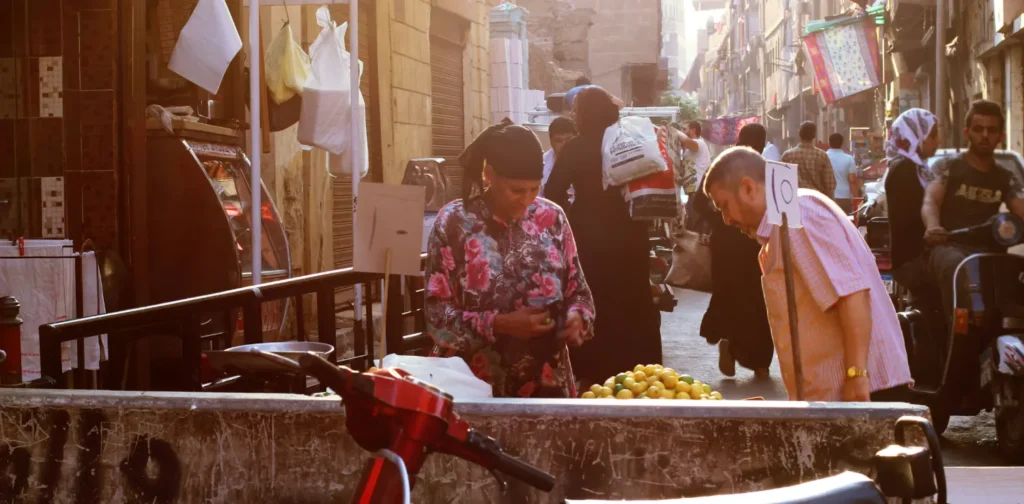
Photo by Mahmoud Diab on Unsplash
Many households still rely on conventional energy to meet their daily needs, which can be costly and environmentally harmful. In Egypt, low-income households depend on fossil fuels to heat water and support other daily activities. In this light, social enterprise Shamsina developed an affordable solar water heater system for low-income communities in Egypt, offering access to sustainable and affordable clean energy.
The Harm and Cost of Heating
A heating system is an important aspect of creating safe and comfortable living spaces, especially as the weather gets increasingly uncertain. The system generates heat using energy sources, which are then used to increase air temperature and produce hot water.
Unfortunately, data shows that 60% of heating energy needs for buildings still relied on fossil fuels in 2022. That year, heating accounted for nearly half of all energy use and was responsible for 38% of global CO2 emissions related to energy.
Moreover, using fossil fuels can be a costly option for low-income households. This is especially true in Egypt, where households often manually heat water multiple times a day, one pot at a time. Additionally, they also often use kerosene lamps, natural gas, or makeshift fires for heating. This amounts to roughly $11 to $16 a month on energy, which is significant given the average income of only around $178.
Shamsina: Mainstreaming Clean Energy for Heating
Expanding access to affordable renewable energy options is central to emission reduction efforts. In Egypt, for instance, a social enterprise called Shamsina aims to support clean energy access for low-income households by developing a thermal design that allows solar energy to heat water in bulk.
The heating process begins with cold water entering the storage tank. From there, the water flows into a solar panel unit that is insulated to trap sunlight. Once heated, the water returns to the storage tank as hot water.
Over 30 piloted water heaters have been installed in various low-income neighborhoods nationwide using local components. The innovation helps improve access to alternative energy for low-income communities, reducing both the time and cost of heating while providing a safer and more environmentally friendly option.
Supported Solution Needed for Sustainability
A just energy transition must involve and impact all levels of society, especially the grassroots. Immersion through volunteering and observation could increase the chance of championing new solutions, as was the case with Shamsina. Therefore, supporting and further developing these bottom-up solutions is crucial to creating a significant impact. Ultimately, shared awareness is an important first step toward achieving environmental sustainability, followed by concrete actions from key actors in the sector. Innovators, governments, businesses, and investors must prioritize a sustainable and responsible expansion of renewable energy sources to lessen the harm to the environment, while promoting equity in accessing clean energy for all.
Editor: Kresentia Madina & Nazalea Kusuma
Co-create positive impact for people and the planet.
Amidst today’s increasingly complex global challenges, equipping yourself, team, and communities with interdisciplinary and cross-sectoral insights on sustainability-related issues and sustainable development is no longer optional — it is a strategic necessity to stay ahead and stay relevant.

Dinda Rahmania
Dinda is an Assistant of International Partnerships at Green Network Asia. She holds a bachelor’s degree in International Relations from President University. As part of the GNA In-House Team, she supports the organization’s partnerships with international organizations, governments, businesses, and civil society worldwide through digital publications, events, capacity building, and research.
 Call for Governance: Grassroots Initiatives Look to Scale Efforts to Conserve Depleting Groundwater
  Integrating Environment, Climate Change, and Sustainability Issues into Education Systems
  Finally Enforced: Understanding the UN High Seas Treaty
  Risks and Opportunities of Submarine Communication Cables for Sustainable Development
  Rising Attacks and Violence Against Land and Environmental Defenders
  Unveiling Potential Technological Risks amid Global Crises