

Agrihoods: Integrating Farms and Urban Neighborhoods into Sustainable Communities
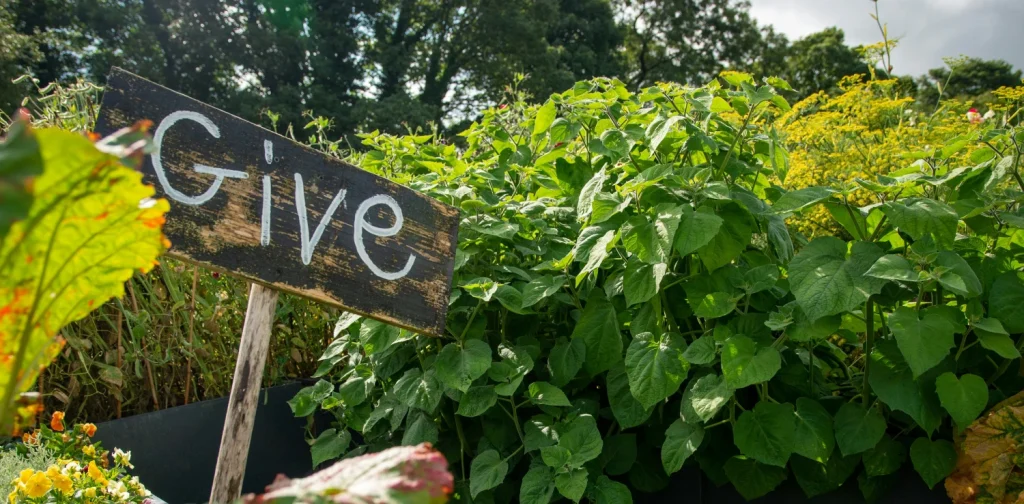
Photo: Matt Baker on Unsplash.
Without proper planning, rapid urban population growth can threaten quality of life. To address this issue, urban planners started to come up with the idea of agrihoods, or agricultural neighborhoods, in cities.
Food-Producing Neighborhoods
Agrihoods are the integration of residential areas and agricultural practices in the neighborhoods. Essentially, they are a planned community model with various agricultural-related uses.
The development of agrihoods counts as an urban agriculture practice. It offers a viable solution to address food insecurity in cities, especially as farmland is converted to housing at an exponential rate. For instance, the model can improve food access, particularly for urban dwellers in low-income areas who lack access to fresh, healthy food. The presence of crops in the middle of urban communities can also improve air quality, as well as act as urban green spaces.
Furthermore, the direct community involvement in managing the farm offers an opportunity to foster social ties among neighbors. The farming methods in this model span from a couple of raised-bed gardens to an industrial farm, depending on how the community interacts with food-producing activities.
Other agricultural amenities, such as sales outlets, are also quite flexible. Sales outlets serve as platforms for connecting farm produce and food to residents. They can take the form of community-supported agriculture, neighborhood restaurants, or local farmers’ markets.
Developments and Implementations
Approximately 73% of agrihoods in the United States have been developed since 2014. According to a 2018 report by the Urban Land Institute, this development is a growing trend in the real estate industry because many people value real food, and farming makes the landscapes more productive.
Meanwhile in Brazil, urban planners from the Pentagrama Projetos em Sustentabilidade e Regeneração company have been conducting research on agrihoods. Along with the United Nations Environment Programme’s BioCidades Empreendedoras, they design a program to support 50 entrepreneurs who are exploring solutions to urban climate resilience in São Paulo and Curitiba.
The Chief Executive Officer of Pentagrama, Marcia Mikai, along with her colleagues, constructed a model that makes it possible to revive degraded land through agrihoods. She combined sustainable forestry practices with mixed-use spaces for educational purposes. “They save water, protect biodiversity, and allow people to eat locally produced food,” she said.
Collaboration to Sustain Agrihoods
The role of urban planners in strengthening urban health for all through agrihoods is central. Similarly, the development of this model requires the assistance of other scientists and researchers. For instance, they are needed to draw a comparative assessment of the quality of life before and after the agrihoods are built.
If the result shows a positive outcome, it can serve as the basis for recommendations to integrate more agriculture into urban spaces. Considering that the real estate industry already incorporates housing with agricultural access, policymakers should also be aware of this progression. Government involvement is compulsory to monitor permits, set residential zones, or provide subsidies to its citizens.
Editor: Kresentia Madina

Co-create positive impact for people and the planet.
Amidst today’s increasingly complex global challenges, equipping yourself, team, and communities with interdisciplinary and cross-sectoral insights on sustainability-related issues and sustainable development is no longer optional — it is a strategic necessity to stay ahead and stay relevant.
 Women in Waste Management: Asia’s Circularity Runs on Women. Its Policies Still Don’t
  Embracing the Business Value of Sustainability
  American Farmers Call for Government Support Amidst PFAS Contamination
  Asia Pacific’s SDG Progress Faces Major Setbacks
  Exploring the Bidirectional Relationship Between Olympic Games and the Environment
  The Hidden Threat of Tire Pollution to Salmon Populations