

Impacts of E-waste Pollution on Animals and Human Health
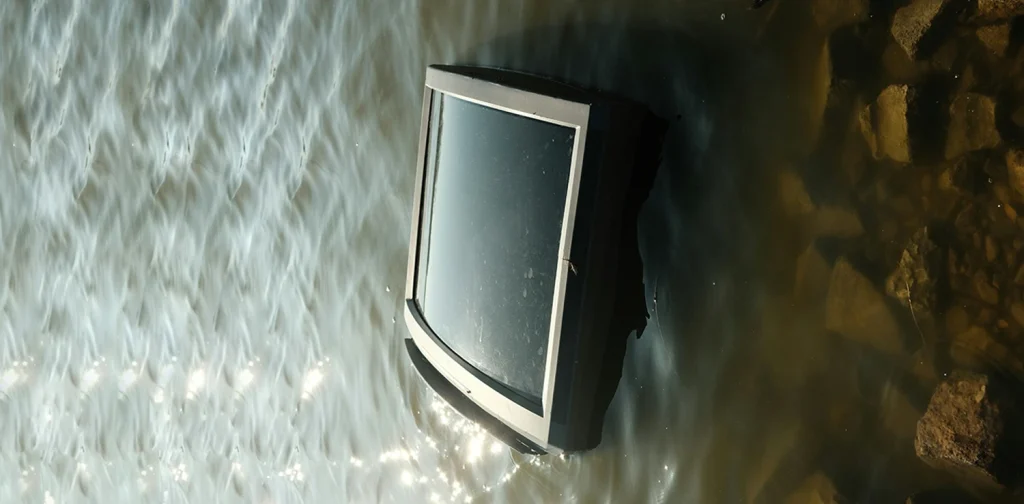
Photo: Cameron Arksey on Unsplash.
In a time when nearly everything is going digital, changing gadgets is almost like a necessity. Some people switch according to functions, while others go with the trend. Then, these old, discarded devices become waste, or more specifically, e-waste. As technology advances, generating e-waste is inevitable. Nevertheless, understanding the impacts of e-waste pollution is crucial, especially since waste is becoming a mounting global issue.
Increasing E-waste Pollution
In 2022, around 62 million tonnes (Mt) of e-waste were produced globally. The Global E-waste Monitor 2024 report notes that this number rose by 82% from 2010 and is expected to reach 82 Mt in 2030. Concerningly, of 62 Mt, only 22.3% were collected and recycled properly. The rest of the unused electronics remain unaccounted for, increasing risks of pollution to communities and the environment globally.
A study led by researchers from the University of Hong Kong has found evidence of chemicals derived from e-waste pollution inside wild cetaceans. The chemical investigated is liquid crystal monomers (LCMs), which are critical substances of liquid crystal displays (LCDs) in electronic devices. Improper disposal can lead to LCM contamination and accumulation in the environment.
The e-waste pollution potential from LCD panels alone is alarming. LCD panel production is estimated to reach 238 million m2 in 2025, and around 74 Mt of devices with LCDs will be discarded by 2030.
LCMs in Cetaceans
The study found LCMs in various tissues of two marine cetaceans in the South China Sea. Analyzing 62 LCM samples, it found that 38 were present in at least one of the 63 tissue samples from Indo-Pacific humpback dolphins and finless porpoises, including muscle, brain, blubber, liver, and kidney. Such exposure impacts cetaceans’ immune function, reproduction, and neurodevelopment.
Moreover, the pollutant has been detected in fish, shrimp, crabs, and other prey species that the cetaceans usually eat. This suggests that LCMs enter the food chain as well.
The study further notes that interactions between LCMs and other contaminants may amplify their toxicity, posing serious risks to marine mammal populations. The South China Sea itself is located in highly urbanized areas heavily impacted by urban runoff filled with contaminants, including per- and polyfluoroalkyl substances (PFAS) and microplastics.
Efforts to Encourage Circularity
The evidence of e-waste pollution in marine mammals warrants further investigation for the possible implications for human health. The connection between the health of people, animals, and ecosystems also underscores the urgency to improve waste governance, strengthen waste disposal mechanisms, and encourage circularity across value chains.
Among possible ways is to intentionally design electronic devices that last through innovations during production. Additionally, providing repair services as part of Extended Producer Responsibility or community initiatives is crucial for prolonging product lifecycles. At a personal level, it is also a matter of lifecycle change, where we must prioritize functionality over trends, take care of our belongings, and be mindful of our purchases.
Editor: Nazalea Kusuma

Co-create positive impact for people and the planet.
Amidst today’s increasingly complex global challenges, equipping yourself, team, and communities with interdisciplinary and cross-sectoral insights on sustainability-related issues and sustainable development is no longer optional — it is a strategic necessity to stay ahead and stay relevant.
 Africa’s Solar Energy Surge: Why 2025 Was a Breakthrough Year
  Agrihoods: Integrating Farms and Urban Neighborhoods into Sustainable Communities
  Women in Waste Management: Asia’s Circularity Runs on Women. Its Policies Still Don’t
  Embracing the Business Value of Sustainability
  American Farmers Call for Government Support Amidst PFAS Contamination
  Asia Pacific’s SDG Progress Faces Major Setbacks