

Looking for Sustainability in the Uganda National Tourism Policy
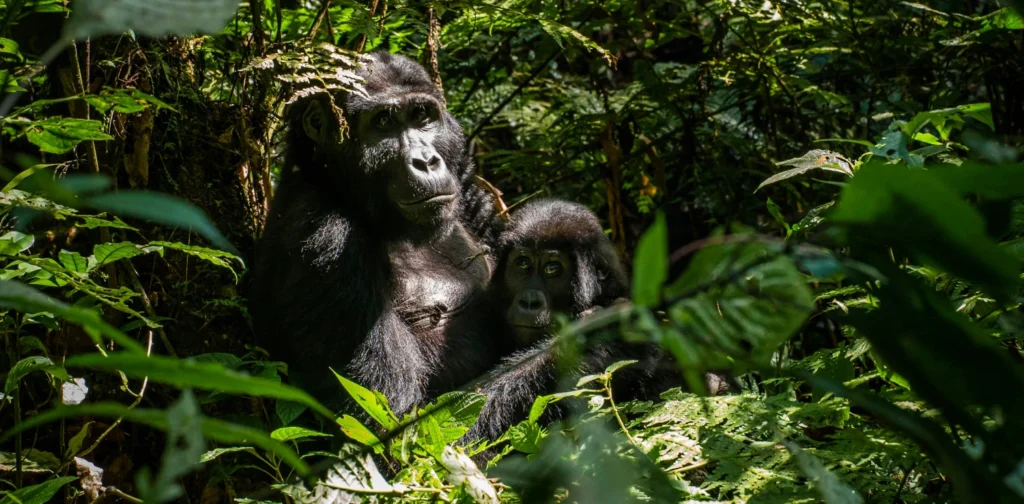
Bwindi Impenetrable Forest, Uganda | Photo: 2H Media on Unsplash.
In this modern day, going from one place to another for entertainment purposes has become easier and more accessible. Traveling activities often profit the countries involved, making tourism a highly potential sector for economic growth. The government of Uganda recognizes the country’s tourism prospects, hence the enactment of Uganda National Tourism Policy 2025 that aims to balance economic growth and sustainability.
The Development of Tourism in Uganda
Uganda, also known as the Pearl of Africa, has rich cultural diversity and natural heritage, which makes it an ideal destination for tourism. Uganda’s tourism sector contributed 3.2% to their GDP in 2023. The industry also benefits the people of Uganda with direct employment in tourism, accounting for 7.2% of total employment.
Yet despite the promising growth of tourism in Uganda, persistent bottlenecks remain a challenge. Infrastructure gaps, taxation issues, and investment barriers, among others, limit the growth. To overcome those hurdles and elevate its overall tourism industry, Uganda’s Ministry of Tourism, Wildlife, and Antiquities launched the Uganda National Tourism Policy 2025.
The President of Uganda Tourism Association, Yogi Birigwa, says that the policy will open a way for competitive tourism in Uganda. It aims to become a major driving force toward a $500 billion GDP for the country.
Sustainability Values in the Uganda National Tourism Policy
However, in the process of achieving economic goals, the Uganda National Tourism Policy also seems to maintain sustainability at its core. It aims for balanced economic growth and preservation of Uganda’s natural and cultural treasures.
In the environmental aspect, the policy addresses how climate change might affect Uganda’s natural attractions and habitats. Therefore, the government is mandated to carry out effective disaster risk management and improve carbon sequestration programs. Additionally, it also takes into account wildlife management and conservation. This includes the establishment of wildlife use rights and the development of tourism facilities in wildlife protected areas.
Meanwhile, socially and culturally, the Uganda National Tourism Policy highlights the significance of community empowerment, universal access, local entrepreneurship, and international collaboration. The policy embraces inclusivity through providing equal opportunities and accessibility for youth and people with disabilities. Furthermore, cooperation with various parties is constituted in the government’s attempt to increase Ugandan citizens’ tourism products and to participate in international, regional, and bilateral conventions.
Mainstreaming Sustainable Tourism
Mainstreaming sustainable practices in tourism is important to ensure that every stakeholder has the same code of conduct and opportunity in achieving the common goal. The Uganda National Tourism Policy supports that agenda by embracing the role of local communities. Still, the government has to guarantee the fulfillment of essential facilities and supporting education for its citizens.
For example, the Uganda Tourism Board (UTB) has trained regional journalists in responsible tourism reporting and sustainable resource management. The mainstream media’s continuous coverage on Uganda’s sustainable tourism efforts should be an effective means of knowledge dissemination for the general public. At the same time, it could also be a transparency practice that ensures accountability throughout the process, protecting people and the planet alike in the pursuit of economic growth.
Editor: Nazalea Kusuma
 Red Flags in the EU’s Industrial Accelerator Act (IAA)
  Untangling the Root Causes Underneath Lesotho’s Suicide Crisis
  Looking into the Inadequate Legal Recognition for Women’s Tenure Rights Across the Global South
  The Disproportionate Cost of Data Centers for Local Communities
  Will the EU Ban on Destroying Unsold Clothes Reduce Textile Waste?
  How Extreme Heat Affects Human Livability