

Mapping Conservation Needs for Sharks and Rays Globally
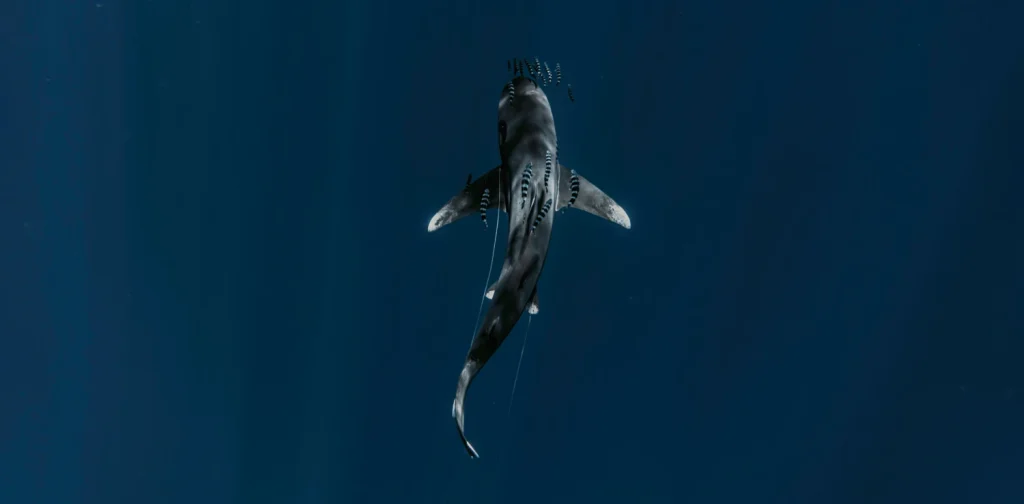
Photo: Daniel Torobekov on Pexels.
From tiny planktons to gigantic mammals, marine biodiversity is experiencing extra pressure as oceans change. Sharks and rays are no exception. Yet, these predators lack adequate protective measures. A report by the IUCN aims to identify areas to protect migratory sharks and rays, as well as their habitats.
Sharks and Rays Globally
As of 2024, the International Union for Conservation of Nature (IUCN) has identified 1,213 species of sharks and rays with a wide range of sizes, habitats, and ecologies. As predators, they help maintain healthy marine ecosystems by removing sick or injured individuals and controlling herbivore populations.
Unfortunately, they are not immune to threats. IUCN’s Red List shows that around 35% of sharks and rays are threatened with extinction. One big culprit is overfishing, both targeted and incidental catch, for consumption and unlawful wildlife trade. Pelagic sharks and rays, for instance, are frequently exposed to bycatch, with their populations declining by 71% since the 1970s.
Habitat loss and degradation, pollution, and climate change add to the pressure. Even activities with potential benefits for energy transition, such as deep-sea mining and offshore wind farms, pose threats to marine biodiversity. Accelerating protective measures for them is crucial.
The ISRAs
In the context of migratory sharks and rays, however, conservation must move a bit differently. These predators travel across vast geographic scales spanning many ecosystems and jurisdictions throughout their life cycles. So, ensuring their survival is a shared responsibility among countries.
In 2022, the IUCN SSC Shark Specialist began developing the Important Shark and Ray Areas (ISRAs) to identify potential habitats of migratory sharks and rays for conservation. Previously, similar initiatives have emerged to track other migratory animals, such as marine mammals and birds.
The organization published a report at the end of 2025, detailing its findings so far. The “Ocean Travellers” report reveals that 816 ISRAs have been identified to date. According to the IUCN, an area must meet several criteria to be considered an ISRA, such as having a regular presence of range-restricted sharks and rays and being important to them for carrying out vital functions (e.g., reproduction and feeding) across their life cycle.
In Asia, the report has identified 122 ISRAs across 13 jurisdictions. One is the Monad and Khimul Shoals in the Philippines. Observation shows that the Endangered Pelagic Threshers use this area as a cleaning station, where cleaner fish remove dead skins and parasites from the thresher sharks.
Bridging the Knowledge Gap
Mapping out the critical habitats for sharks and rays is central to safeguarding their future. The ISRAs listed in the IUCN’s report are delineated for species listed under the Commission of Migratory Species (CMS)’s Sharks MOU, supporting signatories to implement the conservation agreement.
Ultimately, bridging the knowledge gap in conservation efforts must always continue, especially in light of the ever-changing climate and global landscape. The knowledge gathered and verified through multi-stakeholder participation, including Indigenous Peoples and Local Communities, must serve as the basis for policy planning and interventions to improve biodiversity and ecosystem conservation globally.
Editor: Nazalea Kusuma

Co-create positive impact for people and the planet.
Amidst today’s increasingly complex global challenges, equipping yourself, team, and communities with interdisciplinary and cross-sectoral insights on sustainability-related issues and sustainable development is no longer optional — it is a strategic necessity to stay ahead and stay relevant.
 How Spogomi Addresses Waste Through Competitive Sport
  What Fading Butterfly Colors Reveal About Environmental Stress
  The Right to Be Cold and What It Means for Indigenous Inuit
  All Pain, No Gain for Women from the Tobacco Industry’s So-Called Generosity
  Upholding the Women in Agriculture Who Are Feeding Africa
  The Role of Trade Unions in Peacebuilding