

The Widespread Impacts of Severe Drought in Somalia
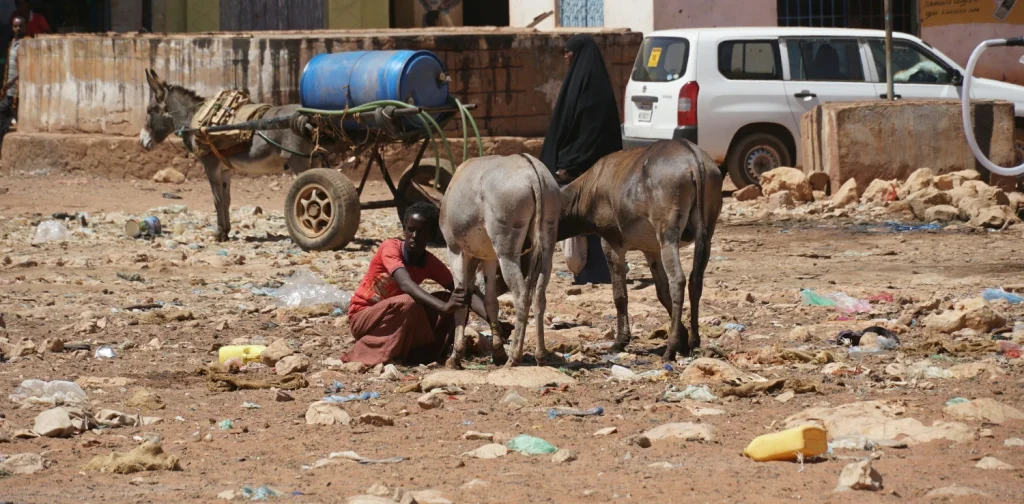
Photo: Ismail Salad Osman Hajji dirir on Unsplash.
Drought is a complex condition with widespread consequences. Somalia has been on the receiving end of catastrophic impacts caused by extreme dry conditions since around the last quarter of 2025. The drought in Somalia has led to declining nutrition and collapsing agricultural productivity. Without immediate and organized intervention, these conditions can exacerbate the severity of famine, displacements, and even the death toll in Somalia.
Longer, Drier Spells
Drought is a natural disaster characterized by a prolonged dry period due to the lack of precipitation. Extended dry spells lead to water shortages, crop failures, and livestock deaths, ultimately triggering food insecurity. Consequently, long-term inaccessibility to clean water and food poses risks to people’s wellbeing, including risks of malnutrition, iron deficiency, cholera, and pneumonia.
According to the World Health Organization (WHO), climate change exacerbates dryness in arid regions. As the temperature rises, water evaporates more quickly, resulting in a decline in water resources. Ironically, it is often regions that contribute less greenhouse gas emissions that have to face the disproportionate burdens of climate extremes.
Somalia is one of them. Despite contributing only about 0.019% of the global carbon emissions, Somalia is vulnerable to climate shocks. The country, located in arid or semi-arid regions, is prone to consecutive drastic weather changes, where severe flooding in the riverine areas can be followed by devastating droughts.
Drought in Somalia and Other Crises
After a failed Deyr (rainy) season from October to December 2025, drought ensues in Somalia.
People are unable to harvest their crops and feed their herds due to water scarcity and pasture depletion. Thus, limited agricultural production leads to food insecurity. Approximately 6.5 million people in Somalia experience acute hunger, with 1.8 million children severely malnourished. In March 2026, the Somali National Bureau of Statistics (SNBS) reported soaring food and fuel costs, driven by disruptions in the supply chain. The Somali government estimated that the response plan would require $296.5 million, yet it has secured only 9% of it.
On top of the drought, Somalia also experiences ongoing conflicts. According to a report by the Integrated Food Security Phase Classification (IPC), both are the main factors disrupting people’s livelihoods. Worse yet, drought tends to worsen conflicts. For instance, during a prolonged drought between 2020 and 2023, conflicts in Somalia simultaneously intensified. A militant group was using its power to impose taxes on farmers and pastoralists who needed access to water and other resources.
Consequently, climate change-induced weather events and conflicts led to 680,000 displacements in 2025. The growing number of displaced people heightens their vulnerabilities; children are at risk of being recruited into armed groups, and gender-based violence intensifies.
Strengthening Resilience
The overlapping conflicts and drought in Somalia underscore the urgency for intricate solutions that could address each predicament. In the meantime, immediate support should be directed to the affected individuals.
One way to support people’s self-sufficiency in agriculture during the drought is by promoting staggered planting and drought-tolerant plant varieties. The Somali government can also start funding veterinary support in hotspot areas and enforce animal destocking policies for livestock maintenance. At the same time, international aid plays a crucial role in helping the government deliver financial assistance and resources where they are needed most.
Furthermore, strengthening resilience also means reducing risks. Integrating climate forecasts and hydrological data is important for predicting and preparing for extreme weather events, as it enables all parties involved to take concrete actions to prevent worst-case scenarios. Additionally, strengthening river-gauge surveillance and water trucking are among the viable options to safeguard the water supply during drought.
Apart from predictive efforts, establishing centralized data collection is also important for monitoring drought and strengthening disaster resilience. All in all, collaborative participation among the government, researchers, local communities, and international entities must be fostered to combat drought in Somalia.
Editor: Nazalea Kusuma & Kresentia Madina
Co-create positive impact for people and the planet.
Amidst today’s increasingly complex global challenges, equipping yourself, team, and communities with interdisciplinary and cross-sectoral insights on sustainability-related issues and sustainable development is no longer optional — it is a strategic necessity to stay ahead and stay relevant.
 Ensuring Access to Justice for Women and Girls
  The Invisible Infrastructure: What ASEAN’s Carbon Market Needs Most
  Indonesia Ruled to Recognize Chronic Illness as a Disability
  Clean Cooking as a Developmental Multiplier in Africa
  Congo Basin Peatlands Are Releasing Ancient Carbon
  From Anxiety to Action: How Youth Climate Activism Is Evolving