

Trends and Gaps for Women in STEM
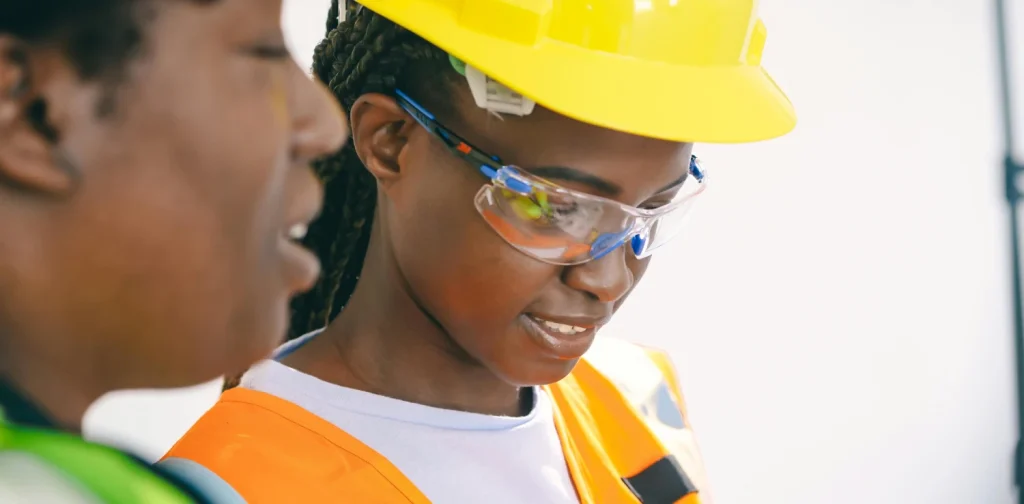
Photo: Kindel Media on Pexels.
Having a space at the table means getting the chance to contribute and be recognized. To date, the journey continues to open more space for more women and girls to thrive, especially in fields traditionally understood as predominantly male. Supporting women in STEM requires dismantling gender bias to provide bigger pathways and a safer environment.
Still Underrepresented
In general, women are more likely than men to enroll in higher education. Statistics from UNESCO‘s 2023 data show that 46% of women enroll in advanced studies within five years of completing their secondary education. Meanwhile, only 40% of men do so.
Despite higher enrollment, women account for only 35% of science, technology, engineering, and mathematics (STEM) graduates. Women are still underrepresented in the fields many still think of as male-dominated, reflecting a persistent gender bias that limits their opportunities. Historically, their contribution often goes unrecognized too. The road was, and still is, long and rocky for women in STEM.
Trends in School and Workforce
Gender gaps in STEM seem to be apparent since school days. An analysis based on 2the 015 PISA test shows that boys show greater confidence than girls when learning science in 39 out of 67 countries. They also express higher interest in broader science topics in 51 countries. The issue of low-confidence is also echoed by biology and chemistry teacher Edinah Nyakondi from Kenya.
“Many students perceive science as difficult and are not self-driven or motivated to engage with it. I talk to them, encourage them, and give examples of women – including myself – who have succeeded in science,” she said, as quoted by UNESCO.
Trends are similar in the workforce. In 2022, only one in three researchers globally is a woman. Global participation of women researchers shows only slight progress in the span of a decade, from 29.4% in 2012 to 31.1% in 2022. Additionally, the business sector has the lowest gender balance across the science and innovation ecosystem, with a global median of 29.8%
Supporting Women in STEM
Limitations on women’s participation in STEM can hinder the potential flow of creativity, innovation, and perspectives that could enable more inclusive and impactful solutions. Advancing gender equality in STEM fields requires closing the gender bias, from school all the way to the workforce.
One way to do this is by enhancing the visibility of women in STEM—their voices and stories—in media, seminars, and even entertainment. Good representation can help young girls form positive associations with the field. Deploying more female science teachers in schools can also be one of the strategies, as can investing in scholarships, awards, and other incentives that reward women in STEM.
Lastly, creating a safer and equitable workplace environment is key to attracting, retaining, and advancing women in the field. This includes ensuring equal pay and opportunities for leadership positions, as well as embedding gender equality in workforce policies and establishing robust mechanisms for harassment protection.
Editor: Nazalea Kusuma

Co-create positive impact for people and the planet.
Amidst today’s increasingly complex global challenges, equipping yourself, team, and communities with interdisciplinary and cross-sectoral insights on sustainability-related issues and sustainable development is no longer optional — it is a strategic necessity to stay ahead and stay relevant.
 All Pain, No Gain for Women from the Tobacco Industry’s So-Called Generosity
  Upholding the Women in Agriculture Who Are Feeding Africa
  The Role of Trade Unions in Peacebuilding
  Red Flags in the EU’s Industrial Accelerator Act (IAA)
  Untangling the Root Causes Underneath Lesotho’s Suicide Crisis
  Looking into the Inadequate Legal Recognition for Women’s Tenure Rights Across the Global South