

What Fading Butterfly Colors Reveal About Environmental Stress
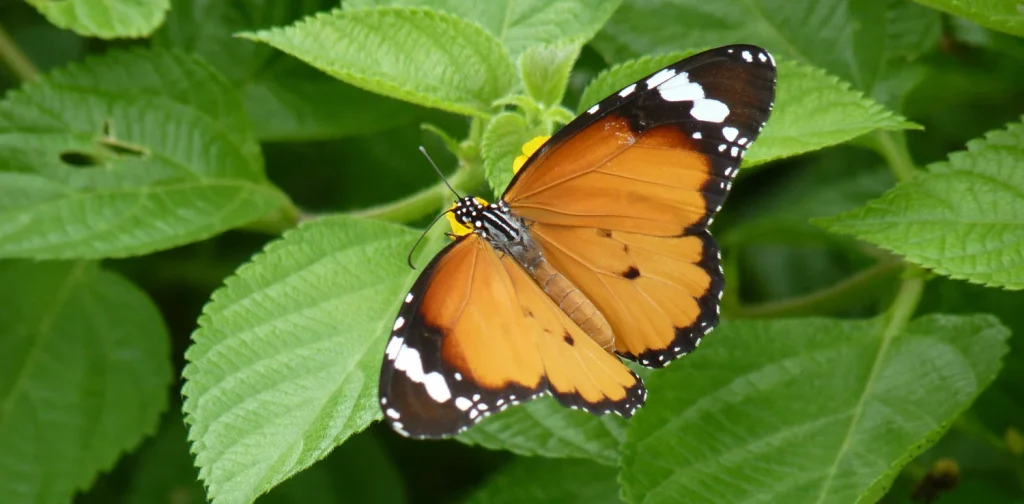
Photo: wirestock in Freepik.
Butterflies are known for their bright and colorful wings. However, as environmental pressures intensify, research shows butterflies are appearing less vibrant than before. These fading butterfly colors may signal deeper ecological stress and broader changes in biodiversity.
Evolutionary Role of Butterfly Wing Colors
Butterfly wing colors are created through a combination of pigments and microscopic structures in their scales. Some colors, such as blues and greens, come from nanoscale structures that reflect light and create iridescent effects that shift depending on the viewing angle. Others come from pigments such as pterins, which produce yellow tones, and melanin, which creates darker colors.
Over millions of years of evolution, these color systems have helped butterflies survive by blending into forests, mating, and signaling important information to other species. In many forest ecosystems, color patterns allow butterflies to camouflage themselves among leaves and shadows, helping them avoid predators. The bright colors are used to signal that they are toxic, while others mimic these patterns to gain protection without being poisonous themselves.
Unfortunately, their colors are fading.
Consequences of Fading Butterfly Colors
Fading butterfly colors can disrupt important survival strategies. Colors that once helped butterflies camouflage in forest canopies or warn predators of toxicity may become less effective as habitats change, making them easier targets and weakening mimicry signals. These shifts can reduce survival and reproduction in species that depend on bright wing patterns.
The consequences can extend beyond individual species. As some colorful butterfly species decline, ecosystems may lose key pollinators that connect plants, insects, and birds. This breakdown can weaken the stability of entire ecosystems and biodiversity.
Deforestation and Climate Change
Deforestation and land conversion are among the major pressures of fading butterfly colors. Study shows that when forests are cleared for infrastructure and plantations, dense forest canopies are replaced by more open landscapes. These altered habitats expose butterflies to higher temperatures and stronger sunlight than natural forest. Such changes can influence how butterfly wing pigments develop.
Some butterfly species attempt to adapt, although their ability to do so is often limited. Studies from the Amazon reveal that colorful butterflies tend to vanish first post-logging, leaving brown-gray survivors better adapted to open, dry, and hotter environments. Researchers describe this process as “discoloration”, associated with habitat simplification in disturbed tropical ecosystems.
Climate change is intensifying these pressures. Beyond fading colors, rising temperatures can disrupt butterfly life cycles, increase larval mortality, and even lead to wing deformities.
Pathways to Restore Butterfly Vibrancy
Despite growing environmental pressure, science suggests that butterfly colors and populations can recover when habitats are improved. Actions such as limiting pesticide use, planting native flowers, and conserving forest edges help support both butterfly diversity and their natural coloration. Urban areas can also contribute by creating pollinator-friendly spaces, including green corridors, rooftop gardens, and restored urban habitats.
After all, healthy ecosystems support food systems, local livelihoods, and climate resilience, especially for communities that rely on nature. Protecting butterflies, therefore, means protecting the ecosystems that support both nature and people.
Editor: Nazalea Kusuma

Co-create positive impact for people and the planet.
Amidst today’s increasingly complex global challenges, equipping yourself, team, and communities with interdisciplinary and cross-sectoral insights on sustainability-related issues and sustainable development is no longer optional — it is a strategic necessity to stay ahead and stay relevant.
 The Right to Be Cold and What It Means for Indigenous Inuit
  All Pain, No Gain for Women from the Tobacco Industry’s So-Called Generosity
  Upholding the Women in Agriculture Who Are Feeding Africa
  The Role of Trade Unions in Peacebuilding
  Red Flags in the EU’s Industrial Accelerator Act (IAA)
  Untangling the Root Causes Underneath Lesotho’s Suicide Crisis