

 Thinking Through Product Life Cycle and Good Practices for Sustainability: An Interview with David Croft from Reckitt
When calculating a single product’s carbon emission, the calculation does not stop when it reaches the home of its consumers, but continues until the product is used until the last drop.... Read More
Chemicals and Waste
 How IKEA Plans to Transition to a Circular Business Model
Companies have the responsibility to create products and offer services that are suited to minimize waste by extending the life-cycle.... Read More
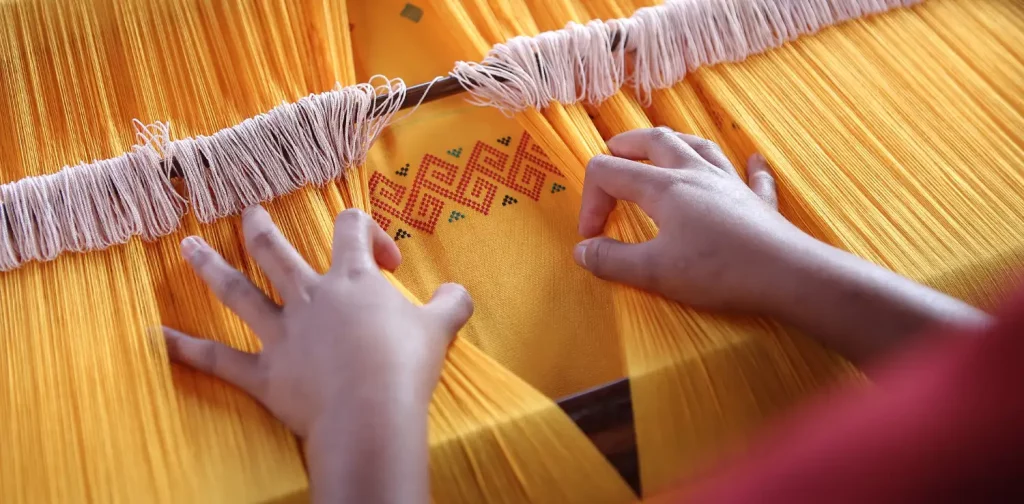 Four Nations Team Up to Manage Chemical Waste in Textile Production
Bangladesh, Pakistan, Indonesia, and Vietnam launched a joint program to reduce and manage hazardous chemicals in their textile sectors. ... Read More
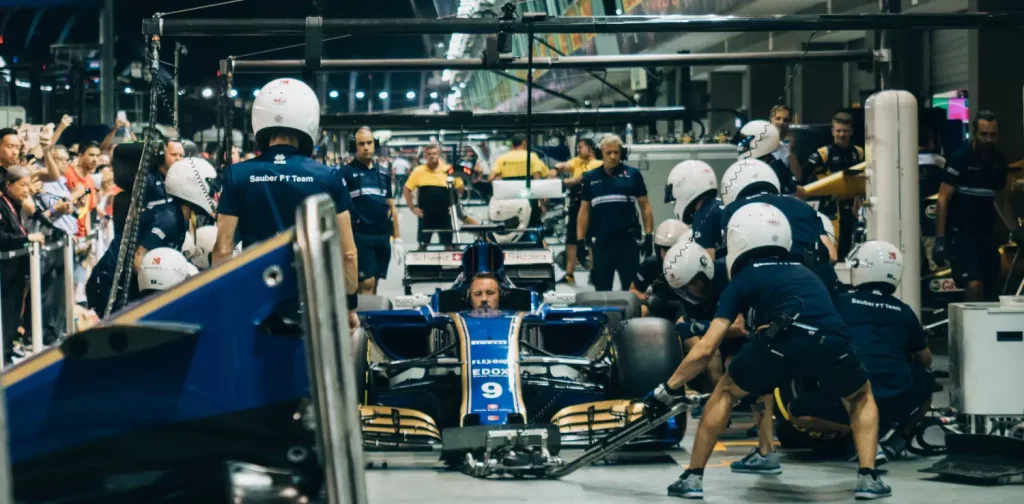 F1’s Net Zero Commitment for 2030
F1 pledged to become a sustainable racing sport through the Net Zero 2030 commitment.... Read More
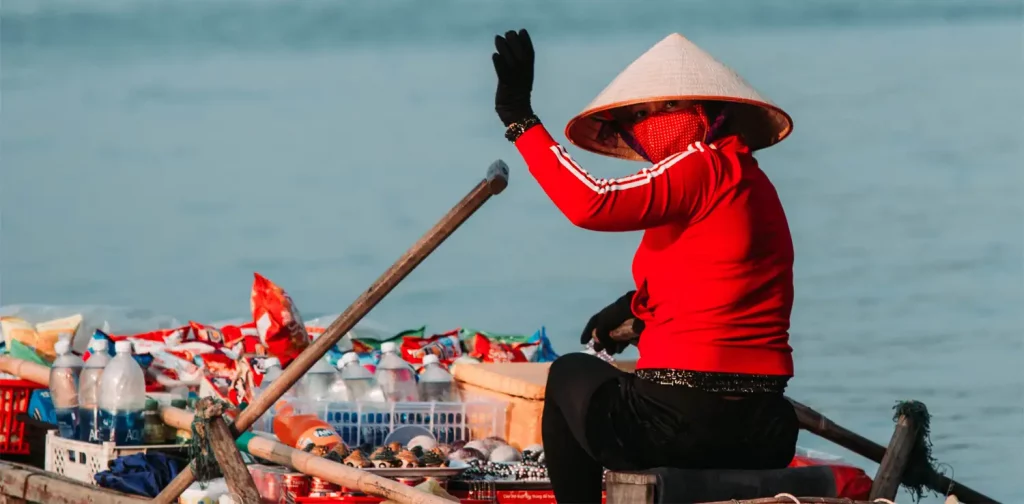 Decree 45: Vietnam Aims to Improve Environmental Sustainability with Legal Sanctions
The government of Vietnam releases Decree 45 to tackle climate change challenges and support the green economy transition.... Read More
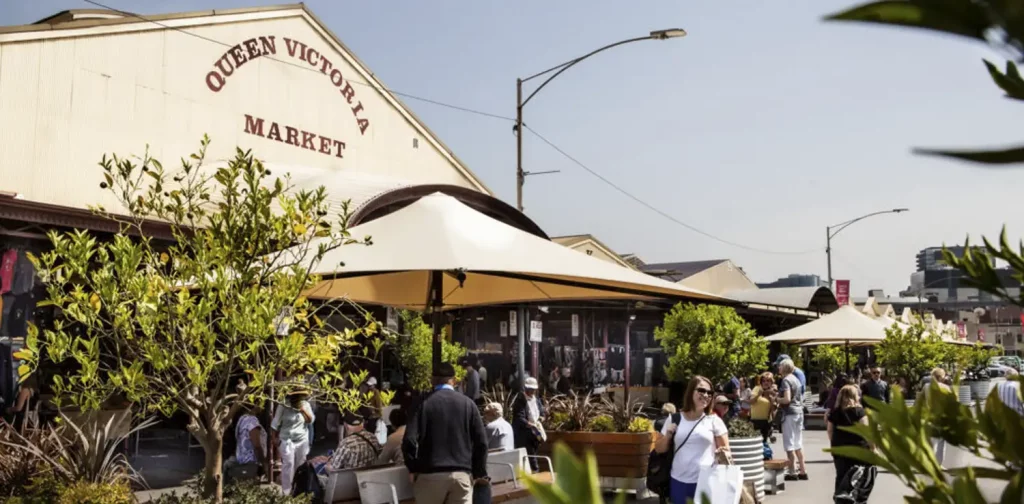 Queen Victoria Market’s Paths to Sustainability
Queen Victoria Market’s sustainability target is to produce zero carbon and send zero waste to landfill by 2027.... Read More
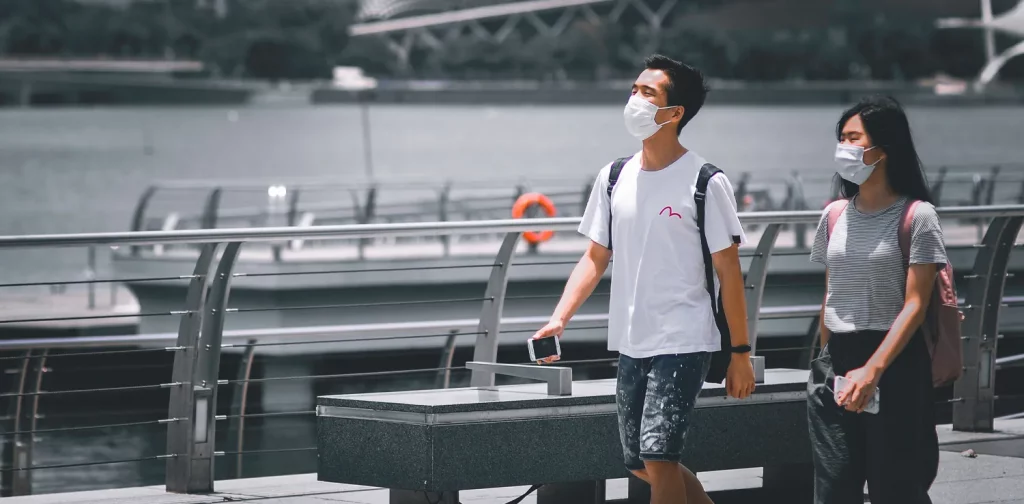 Public Policy Instruments to Respond to the Global Pandemic Threats
Research shows that climate change and global pandemics are linked.... Read More
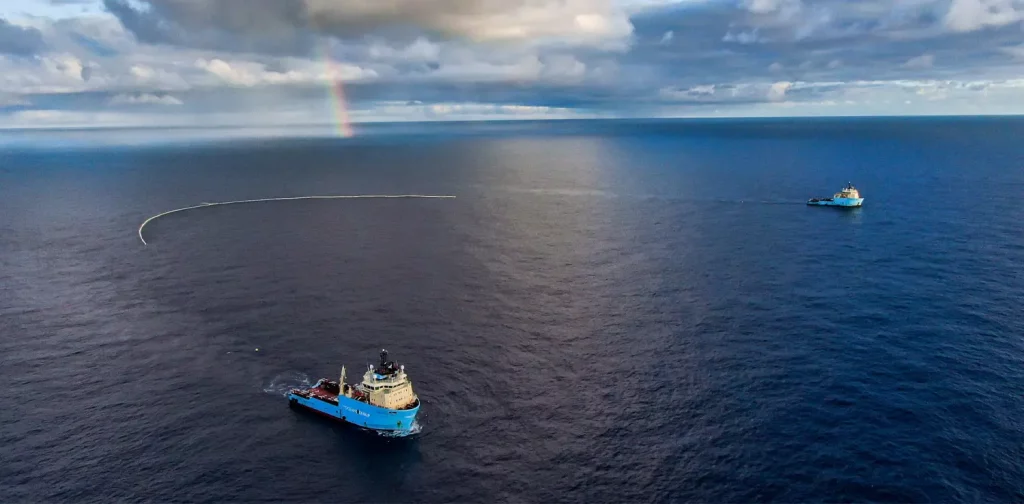 Bigger is Better: Scaling Up the Great Pacific Garbage Patch Cleanup
The Ocean Cleanup is transitioning to massively scale-up its ocean cleanup system in the North Pacific Ocean.... Read More
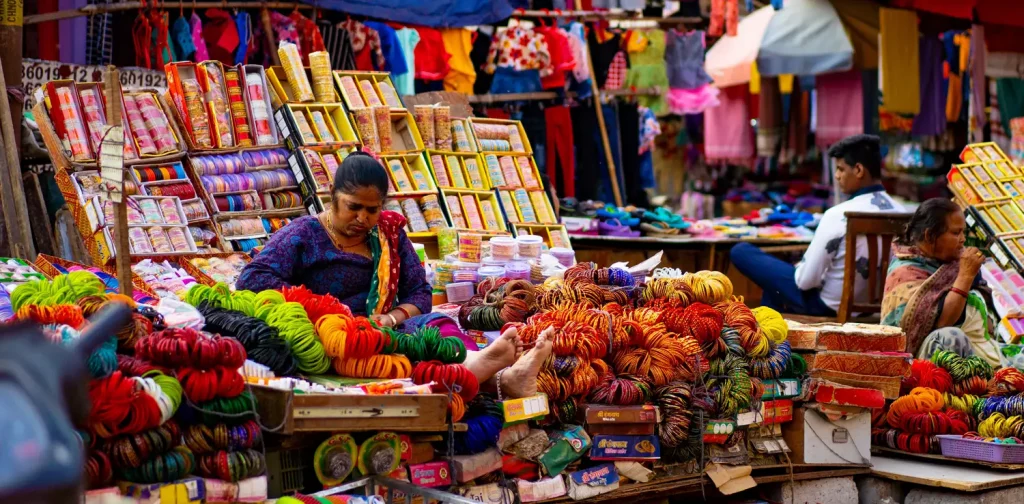 The Rough Patch of India’s Plastic Ban
Starting July 2022, certain single-use plastic products are illegal in India. However, the country is underprepared.... Read More
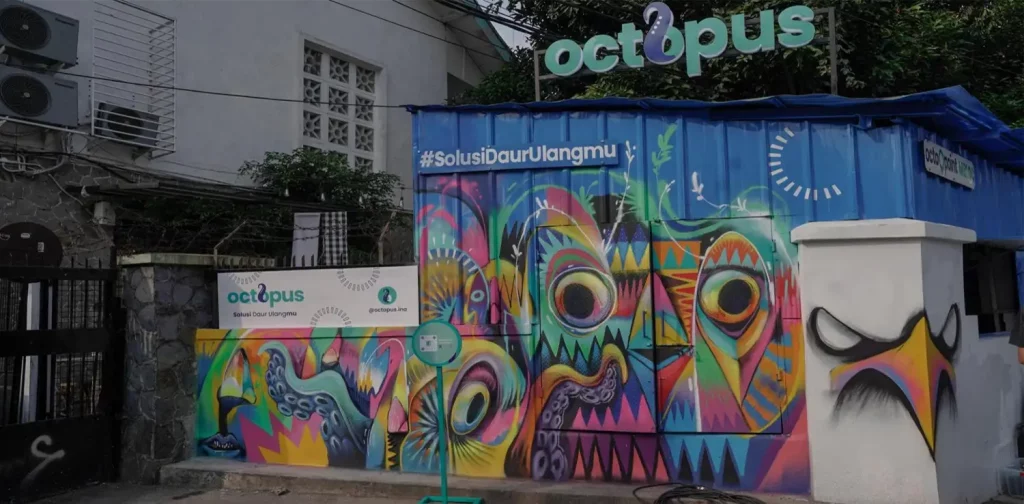 Octopus: Improving the Quality of Life for the Waste Management Ecosystem
An ethical collection system that produces a significant, practical, and effective manner to help local waste stakeholders in Indonesia.... Read More