

Lack of Electricity Grid Development Can Hinder Energy Transition
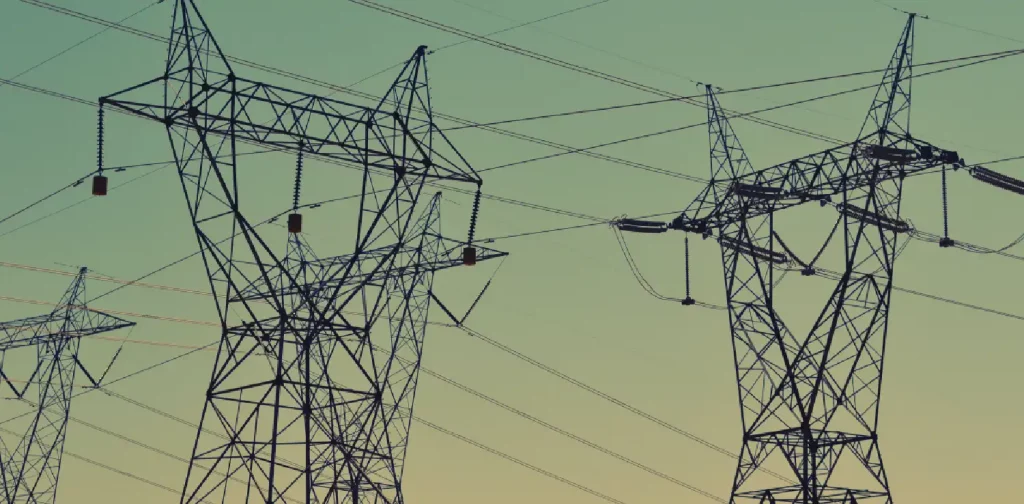
Photo: Fré Sonneveld on Unsplash.
Energy transition is vital in our efforts to reduce emissions. One of its elements is electrification. However, electrification deployment must be followed with adequate infrastructure. A report by the International Energy Agency shares insights on progress on global electricity grid development for energy transition.
Electricity Grid Development
Electrification means swapping fossil-fuelled equipment to electrically-powered ones, such as electric vehicles. It is seen as one of the ways to maximize energy efficiency and advance decarbonization in various sectors. As the commitment to energy transition grows, the role of electricity grids is central to streamlining access and fulfilling demands for electricity worldwide.
However, the current development rate of electricity grids is still considered ‘too slow.’ In its “Electricity Grids and Secure Energy Transitions” report, the International Energy Agency (IEA) shares that the inadequate growth rate and insufficient investment of electricity grids risk hindering renewable energy deployment.
According to the report, at least 3,000 gigawatts (GW) of renewable power projects are queuing for grid connection. Half of them are in advanced stages. Stagnant global investment is cited as one of the primary reasons for the slow development. Although the investment for renewables has nearly doubled since 2010, the investment for the grid remains unchanging at around USD 300 billion annually.
Missing Link and Delay Cases
Energy transition can significantly support the global agenda to keep the earth’s temperature from breaching the 1.5 °C threshold. Delays in electricity grid development, therefore, can hinder the efforts to reach global climate goals as well.
The IEA report explores the scenario in the Grid Delay Case. Slow electricity grid developments could lead to a slow transition to renewables and higher reliance on fossil fuels and gas. In this case, the report predicts that annual global gas imports will be over 80 billion cubic meters higher after 2030.
Additionally, coal import is also expected to rise to nearly 50 million tonnes. Consequently, the power sector is predicted to emit 58 gigatonnes of CO2 higher in 2050 compared to the climate-aligned scenarios. There is also a 40% chance that the earth’s temperature will exceed 2 °C without adequate electricity grid development.
Development for Energy Transition
Accelerating electricity grid developments is essential to keep up with the global demand for renewable energy. Sufficient infrastructures for electrification can unlock more possibilities for renewables, such as hydrogen deployment.
The report calls for doubling global grid investments, focusing on digitizing and modernizing distribution grids. Updating existing regulations and long-term energy plans to incorporate grid development is also essential. Considering the possible impacts of grid development, governments, businesses, and all related actors must also ensure safe and equitable development for the people, planet, and prosperity.
Read the full report here.
Editor: Nazalea Kusuma

Kresentia Madina
Madina is the Assistant Manager of Stakeholder Engagement at Green Network Asia. She holds a bachelor’s degree in English Studies from Universitas Indonesia. As part of the GNA In-House Team, she supports the organization's multi-stakeholder engagement across international organizations, governments, businesses, civil society, and grassroots communities through digital publications, events, capacity building, and research.
 Whimsymaxxing and Beyond: Rethinking the Waste Behind Viral Trends
  Seeking Guidance from Karl Marx to Face the Climate Catastrophe
  Indonesia’s Greenwashing Diplomacy at COP31 and Beyond
  The Textile Industry Is Growing, and So Is Textile Wastewater
  EESG: We Need a New Economic Narrative for Sustainability in the Age of AI, Energy Crisis, and Geopolitical Divide
  The Continued Struggle for Equality and Dignity in Women’s Sportswear