

How Energy Communities in EU Advance Accessible Energy for All
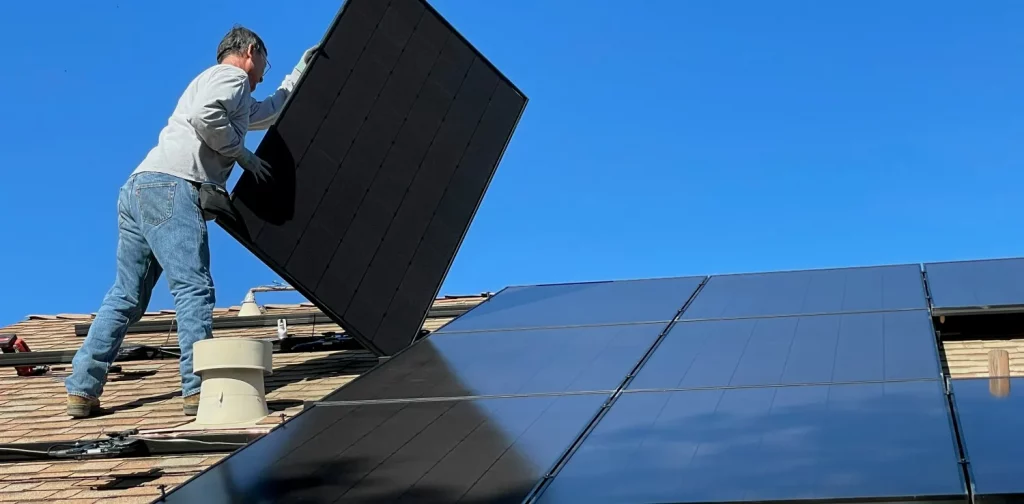
Photo: Bill Mead on Unsplash.
In this increasingly tech-driven world, imagining a life without electricity is hard. Yet, this remains the reality for millions of people who lack electricity access or cannot afford it. In Europe, energy communities have emerged as a way to tackle this issue.
EU’s energy communities
In 2020, around 733 million people lacked access to electricity. Countries that have achieved universal electricity also still struggle with the high prices. At the same time, the world is on its way to reducing greenhouse gas emissions as a part of global climate actions.
Then, how can we balance the need for affordable electricity and clean production and consumption? In Europe, energy communities have emerged as a way to decentralize the sector. They exist as legal entities to empower citizens, small businesses, and local authorities to produce, manage, and consume their energy.
How does this work?
Energy communities can be associations, cooperatives, partnerships, non-profit organizations, or any form of legal entity. Citizens involved can be energy producers and consumers, allowing cheaper and more accessible energy sources within their locations.
The European Union adopted the “Clean Energy for All European package” in 2019, which acknowledged the role of energy communities as part of citizens’ rights to choose and take energy supply, production, and storage into their own hands.
Furthermore, the region has also set up a couple of regulatory frameworks for these communities. There are citizen energy communities, which generate from all types of sources, and renewable energy communities, which generate specifically from renewable sources. Individuals or groups can lead these communities to ensure balanced outcomes and decision-making processes. As legal entities, they also have access to the markets.
Enabling policy and support
The European Parliament provides funding and technical assistance across the region to support this initiative. One of the funding aims to support Citizen-Led Renovation, which invites existing communities to lead power-saving renovation projects. Currently, a pilot phase to revamp residential buildings is underway in Ireland, Portugal, Belgium, and Bulgaria.
Additionally, the Parliament also launched a repository and an advisory hub. Backing citizen-driven initiatives with comprehensive policy and sufficient funding will help strengthen their impacts on the surrounding communities.
Energy communities can be one way to mainstream clean and affordable energy. Still, country governments must also ramp up their initiatives, strategies, and implementation to provide those facilities for their citizens and support the efforts to reduce greenhouse gas emissions.
Editor: Nazalea Kusuma

Kresentia Madina
Madina is the Assistant Manager of Stakeholder Engagement at Green Network Asia. She holds a bachelor’s degree in English Studies from Universitas Indonesia. As part of the GNA In-House Team, she supports the organization's multi-stakeholder engagement across international organizations, governments, businesses, civil society, and grassroots communities through digital publications, events, capacity building, and research.
 Whimsymaxxing and Beyond: Rethinking the Waste Behind Viral Trends
  Seeking Guidance from Karl Marx to Face the Climate Catastrophe
  Indonesia’s Greenwashing Diplomacy at COP31 and Beyond
  The Textile Industry Is Growing, and So Is Textile Wastewater
  EESG: We Need a New Economic Narrative for Sustainability in the Age of AI, Energy Crisis, and Geopolitical Divide
  The Continued Struggle for Equality and Dignity in Women’s Sportswear