

Looking into UNEP’s Generation Restoration Project
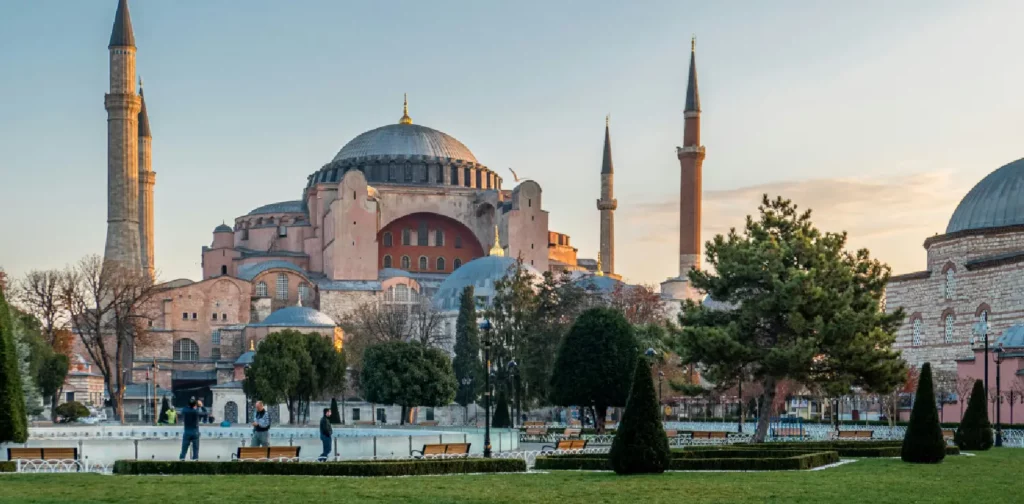
Istanbul, Türkiye. | Photo: Lewis J Goetz on Unsplash.
Urban areas house over half of the world’s population. Despite common misconceptions, cities are still considered ecosystems whose conditions affect their dwellers. Hence, balancing between urban development and environmental preservation is crucial. In May 2024, the UN Environment Programme (UNEP) welcomed six additional cities to promote ecosystem restoration in urban areas through the Generation Restoration project.
UNEP’s Generation Restoration
A functional city ecosystem means a healthy balance between advancing urbanization and preserving natural components within it. In other words, cities must maintain clean air, enough green spaces, waste management, and proper water infrastructure to ensure citizens’ wellbeing.
However, this balance is often difficult to achieve due to poor urban planning, climate crisis, and other factors. To tackle this issue, the UNEP established the Generation Restoration project. From 2023 to 2025, the project aims to implement a series of measures to address various challenges cities might face in urban nature restoration efforts.
The Generation Restoration project mainly focuses on encouraging public and private investments in Nature-based Solutions and empowering city stakeholders worldwide to replicate and upscale ecosystem restoration initiatives. It also contributes to advancing global initiatives such as the Global Biodiversity Framework.
Six Additional Cities
The project’s first cohort consisted of 8 pilot cities spread across the globe. As a part of the World Environment Day celebrated in May 2024, six additional cities stated their commitments to join the Generation Restoration project.
In line with the year’s theme of desertification and drought, the six cities aim to combat this issue through various initiatives:
- Mendoza, Argentina, aims to restore native forests, invest in dynamic biological corridors, and empower local communities.
- Curitiba, Brazil, aims to develop an integrated urban planning to link biodiversity preservation and climate action.
- Barranquilla, Colombia, aims to restore Leon Creek to improve water quality, promote biodiversity, protect natural resources, and foster community wellbeing.
- Kisumu, Kenya, aims to restore two biodiversity hotspots along the Auji River.
- Overstrand, South Africa, aims to rehabilitate water catchment corridors and watershed management.
- Istanbul, Türkiye, aims to establish corridors connecting green spaces, supporting pollinators, and fostering community engagement.
Each of these cities takes unique projects tailored to local contexts while also taking examples from cities that have successful track records in Nature-based Solutions.
“Generation Restoration cities demonstrate that in the real world, solutions for climate, nature, and pollution come together. We welcome these courageous cities which showcase that we can thrive in a restored environment,” said Mirey Atallah, Chief of the Adaptation & Resilience Branch, UNEP.
Editor: Nazalea Kusuma

Kresentia Madina
Madina is the Assistant Manager of Stakeholder Engagement at Green Network Asia. She holds a bachelor’s degree in English Studies from Universitas Indonesia. As part of the GNA In-House Team, she supports the organization's multi-stakeholder engagement across international organizations, governments, businesses, civil society, and grassroots communities through digital publications, events, capacity building, and research.
 Risk of Transboundary Air Pollution Increases as Extreme Heat Continues
  Whimsymaxxing and Beyond: Rethinking the Waste Behind Viral Trends
  Seeking Guidance from Karl Marx to Face the Climate Catastrophe
  Indonesia’s Greenwashing Diplomacy at COP31 and Beyond
  The Textile Industry Is Growing, and So Is Textile Wastewater
  EESG: We Need a New Economic Narrative for Sustainability in the Age of AI, Energy Crisis, and Geopolitical Divide