

Balancing Southeast Asia’s Economic Growth and Just Energy Transition
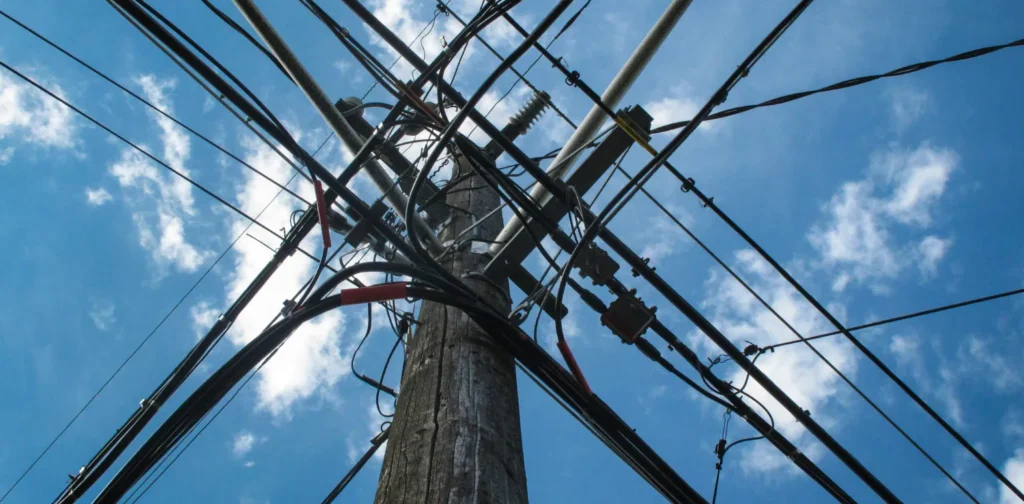
Photo: Dina Lydia on Unsplash.
With plenty of renewable energy potential, Southeast Asia can significantly contribute to and accelerate the clean and just energy transition. However, as the demand for energy rises, the region must carefully consider how it can meet those needs without compromising current progress. The “Southeast Asia Energy Outlook 2024,” published by the International Energy Agency, examines the growth, challenges, and opportunities for the region’s energy growth.
Increasing Energy Demand
Southeast Asia has contributed 11% of the global energy demand growth since 2010. Based on today’s policy setting, the demand is projected to reach 25% in 2035, making Southeast Asia the fastest-growing region after India. The IEA’s report notes that this growing demand is driven by economic expansion, population growth, and industrial development. Additionally, the growing use of air conditioning due to more frequent heatwaves significantly contributes to the rising electricity use.
While economic development is good news, the increasing energy demand poses risks to the region’s overall energy transition progress. Fossil fuels have met nearly 80% of this rise, and half of the region’s electricity was powered by coal in 2023. Considering this dependency, the report predicts that the surging energy demand will continue to increase fossil fuel usage and carbon emissions, therefore worsening the energy-related environmental issues that are already prevalent.
Slow Pace in Renewables
Harnessing Southeast Asia’s renewable energy potential can be a powerful step in meeting energy demand while reducing carbon emissions. According to the report, wind and solar, as well as bioenergy and geothermal, are projected to meet over a third of the region’s growing energy demand by 2035.
However, this pace is considered slow. “Clean energy technologies are not expanding quickly enough, and the continued heavy reliance on fossil fuel imports is leaving countries highly exposed to future risks,” said IEA Executive Director Fatih Birol. The progress still falls short of keeping up with the region’s energy-related carbon emissions, which are set to increase by 35% by 2050.
Therefore, countries must take committed action to cut down carbon emissions. Currently, eight of ten countries in Southeast Asia have net zero emissions goals with varying levels of ambition. The report highlights several crucial pathways, such as scaling up clean energy investments, building essential infrastructure to support renewable energy, and implementing strategies to reduce emissions from young coal-fired plants.
Clean Energy Transition in Southeast Asia
Ultimately, the vision for economic development must go hand-in-hand with the efforts to minimize environmental impacts for our continued collective survival. Fostering international collaboration and cooperation will be essential to achieve secure and just energy transitions during a time of multiple crises.
Read the full report here.

Kresentia Madina
Madina is the Assistant Manager of Stakeholder Engagement at Green Network Asia. She holds a bachelor’s degree in English Studies from Universitas Indonesia. As part of the GNA In-House Team, she supports the organization's multi-stakeholder engagement across international organizations, governments, businesses, civil society, and grassroots communities through digital publications, events, capacity building, and research.
 Whimsymaxxing and Beyond: Rethinking the Waste Behind Viral Trends
  Seeking Guidance from Karl Marx to Face the Climate Catastrophe
  Indonesia’s Greenwashing Diplomacy at COP31 and Beyond
  The Textile Industry Is Growing, and So Is Textile Wastewater
  EESG: We Need a New Economic Narrative for Sustainability in the Age of AI, Energy Crisis, and Geopolitical Divide
  The Continued Struggle for Equality and Dignity in Women’s Sportswear