

Strengthening Disaster Risk Governance at Local Levels

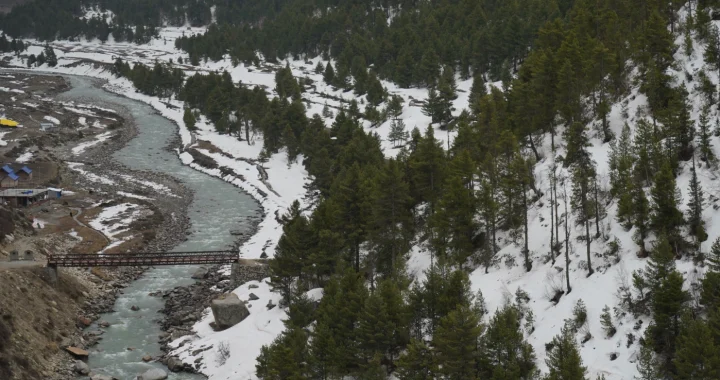
Photo: Horacio Marcos C. Mordeno, MindaNews on Wikimedia Commons.
As afternoons get hotter and rain gets heavier, we must acknowledge that we are in for challenging times. The impacts of climate change are becoming more evident, and robust disaster management is key to strengthening our resilience to disaster risk.
Increasing Disaster Risk
As humans, we live side by side with the ebb and flow of nature. However, these dynamics have become increasingly hazardous, especially as the climate crisis intensifies. The World Economic Forum’s 2025 Global Risks Report identifies extreme weather events as a global key concern, placing them second on the overall list.
The combination of poor political decisions that overlook disaster risks, deep structural poverty and inequality, and prolonged environmental degradation breeds high vulnerability against natural hazards. However, an effective disaster risk reduction system can minimize the likelihood that those hazards will become disastrous.
Disaster risk reduction aims to strengthen resilience to disasters by reducing existing risks and preventing new ones from emerging. It involves multiple aspects, including early warning systems, risk communication, and effective monitoring and response. The Sendai Framework for Disaster Risk Reduction, adopted by UN Member States in 2015, recognizes that national governments have the primary responsibility to implement disaster risk reduction measures.
Still, disaster risk is context-specific and varies across places and times. Therefore, this responsibility must be shared among local governments, the private sector, and other relevant stakeholders.
The Local Context
For local governments, a UNDRR guideline highlights important aspects in drafting local DRR and resilience action plans. This includes identifying primary actions and specific goals to overcome existing barriers; assigning responsibilities and roles; developing indicators to measure progress; deciding on a schedule and timeframe; and estimating budgets and funding sources.
One critical enabling factor for establishing a local DRR plan is good disaster risk governance. This means governments do not make decisions in isolation; they engage with those affected by their policies and practices.
Some cases involve local governments leading the development of a DRR plan and building resilience; in others, communities lead the efforts. Both instances highlight the central role of local communities, whose relationships in the place tend to be deeper and longer than those of government officials. Meanwhile, civil society organizations and academia can participate by facilitating negotiations and discussions between communities and governments.
Beyond tapping into local communities’ knowledge, this participation provides insight into how they make decisions according to their contexts, needs, and customs. This recognition is fundamental to addressing the underlying risk drivers of disasters.
Good Governance for Resilience
Good governance also means better accountability and transparency throughout the development, implementation, monitoring, and evaluation of the DRR plan. The UNDRR report notes that proactive, responsive, and accountable local governments enhance resilience, whereas weak accountability creates greater opportunities for corruption.
All in all, it takes a village to strengthen our resilience against disaster. Now more than ever, national and local governments must recognize the urgent issue and mobilize actions and resources to create stronger, more inclusive, and effective prevention, mitigation, and adaptation systems for all.
Editor: Nazalea Kusuma
 EESG: We Need a New Economic Narrative for Sustainability in the Age of AI, Energy Crisis, and Geopolitical Divide
  The Continued Struggle for Equality and Dignity in Women’s Sportswear
  Behavior Change for the Planet: Is composting worth it?
  Building Bridges Between Environmental Policy and Mental Health
  We May Surpass 1.5°C Soon, But We Can Do Something About It
  From European Heat to the Himalayan Flood: The Transboundary Nature of Climate Risk