

Finally Enforced: Understanding the UN High Seas Treaty
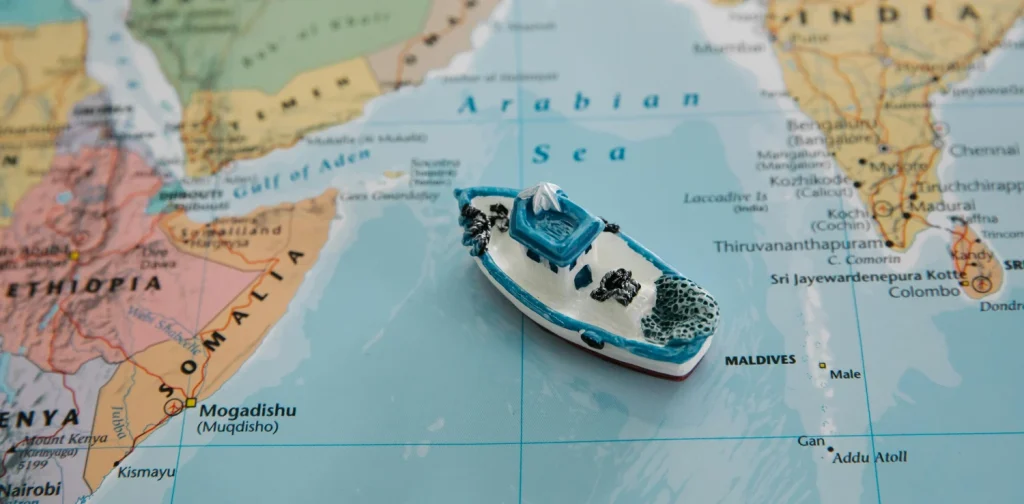
Photo: Lara Jameson on Pexels.
Over 64% of our planet’s oceans are not under the jurisdiction of any country. We know them as the high seas. However, laws governing these seas are mostly sector-specific, such as shipping, fishing, and mining. To bridge this legal gap, the High Seas Treaty was adopted in 2023 and entered into force in mid-January 2026.
Consequences of Overlooked High Seas
Globally, there has been zero unified legal framework to enable coordination for protecting the high seas marine ecosystem. The UN Convention on the Law of the Sea (UNCLOS) focuses on definitions of jurisdictions, dispute settlement mechanisms, and the regulation of resource use. Meanwhile, the mandate to protect and preserve the marine environment lacks mechanisms to create legally binding protected areas, manage biodiversity, and address climate-induced challenges in the high seas.
Thus, due to limited supervision over the high seas, 35% of the world’s fish stocks are classified as overfished. Plastic pollution remains a lingering issue, with around 11 million tonnes being dumped into the ocean annually.
Moreover, rising ocean temperatures, coral bleaching, declining oxygen levels, and changing fish populations exacerbated by climate change further increase risks to high-seas ecosystems. The trends also show the ocean now absorbs around 90% of excess heat, causing rising sea levels and altering the weather as we know it. These preexisting challenges will remain unsolved without a supporting law that oversees these waters.
The High Seas Treaty
On January 17, 2026, the United Nations officially enforced a new international agreement to fill the gaps in existing regulations. The Agreement on the Conservation and Sustainable Use of Marine Biological Diversity of Areas beyond National Jurisdiction (BBNJ)—or the High Seas Treaty—is a legally binding international law that serves as a unified legal framework for high seas ecosystems.
First adopted in 2023, the treaty was open for signature for three years. During this period, 145 countries signed the agreement, and the race for ratification began in 2024–2025. On September 19, 2025, the treaty formally passed the minimum number of members, marking 120 days countdown to treaty enforcement.
The four main pillars of the ratified High Seas Treaty are:
- Marine Protected Areas (MPAs) creation: Providing first ever mechanisms to establish MPAs in international waters by means of voting.
- Environmental Impact Assessments (EIAs): Obligating states to conduct assessments for activities under their jurisdiction in international waters to evaluate potential harm.
- Marine Genetic Resources (MGRs): Ensuring an equitable and fair share of benefits to the usage of deep-sea organisms’ genetic materials for scientific and commercial purposes.
- Capacity Building and Transfer of Marine Technology (CBTMT): Guaranteeing all countries to access and possess tools to participate in ocean governance and establish an open-access platform for data exchanges.
Shared Global Commitments
Ocean ecosystems go beyond national borders. Therefore, long-term and fair cooperation among countries, international bodies, and global citizens in general is key to protecting our planet.
The High Seas Treaty is crucial to achieving the 30×30 target of protecting 30% of the world’s water by 2030. Countries that have ratified are legally bound to create and enforce protection in the high seas Marine Protected Areas. Furthermore, any activities that might significantly affect the high seas must undergo environmental assessments, hence making unprotected zones now in sight.
Ultimately, the treaty should accelerate the path towards sustainable use of oceans, seas, and marine resources, aligning with SDG 14.
Countries’ swift ratification of critical international treaties into domestic regulations is needed to ensure the timely and effective implementation. Meanwhile, international bodies can ensure fair enforcement of international law, enable opportunities for collaboration, and establish continuous monitoring and evaluation on the treaty’s implementation. All in all, shared global commitments with tangible actions serve as a path towards a sustainable future for all.
Editor: Nazalea Kusuma & Kresentia Madina
Co-create positive impact for people and the planet.
Amidst today’s increasingly complex global challenges, equipping yourself, team, and communities with interdisciplinary and cross-sectoral insights on sustainability-related issues and sustainable development is no longer optional — it is a strategic necessity to stay ahead and stay relevant.
 Seeking Guidance from Karl Marx to Face the Climate Catastrophe
  Indonesia’s Greenwashing Diplomacy at COP31 and Beyond
  The Textile Industry Is Growing, and So Is Textile Wastewater
  EESG: We Need a New Economic Narrative for Sustainability in the Age of AI, Energy Crisis, and Geopolitical Divide
  The Continued Struggle for Equality and Dignity in Women’s Sportswear
  Behavior Change for the Planet: Is composting worth it?