

Looking into the Global Midwife Shortage
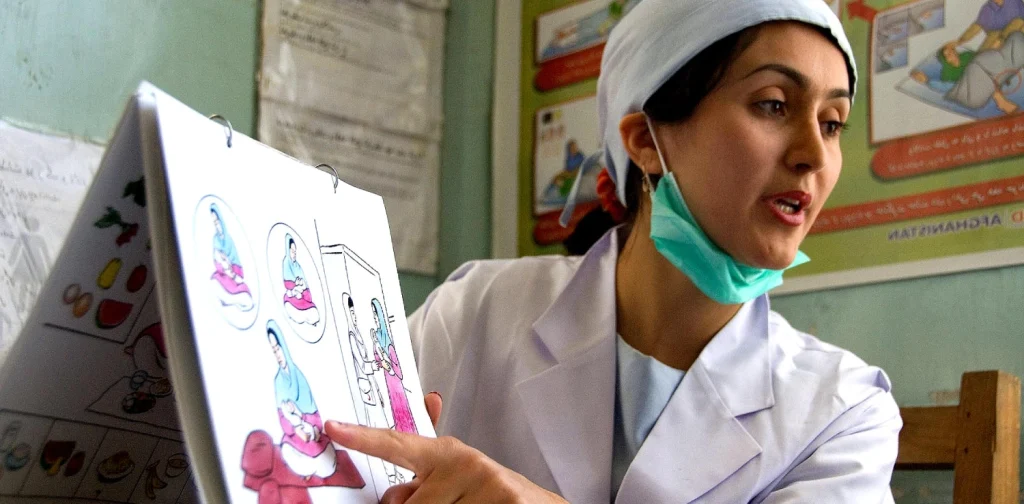
Photo: Hassan Zakizadeh, USAID.
Behind the magic of bringing a life into this world, pregnancy is a delicate matter requiring utmost care. Midwifery services are among the vital options in providing this support. However, despite the importance, experts warn of a global midwife shortage.
Exploring Global Midwife Shortage
Midwives are healthcare professionals trained to help women, children, and families through pregnancy, birth, and postpartum care. They usually provide care for low-risk and more traditional births, which vary across cultures, while ob-gyns can handle high-risk cases with more complex procedures.
Nevertheless, midwives are central to primary healthcare, contributing to the availability of safe options for maternal and reproductive healthcare. Their skills and expertise help shape and deliver effective interventions aligned with the needs of patients, families, and communities. Hence, the existence of midwives and the quality of treatments they deliver are vital.
However, much of the world is deprived of said presence and skills. Research found that 100 out of 181 countries are experiencing midwife shortage. Calculation based on recent available data from the WHO and UNFPA reveals the world is short of nearly one million midwives, out of the two millions it needs.
This shortage varies across regions. Africa has the largest gap between need and availability, with nine in ten women living in countries with midwife shortages. On a related note, the region recorded an estimated 178,000 mothers and 1 million newborn deaths annually as of 2025. Meanwhile, available data from 21 countries in the Eastern Mediterranean indicate that three times the current number of midwives is needed to meet present-day needs.
Employment Issue, Rights Issue
Midwife shortage is partly a workforce issue. The International Confederation of Midwives (ICM), whose team participated in the research, states that many educated midwives are not absorbed into the workforce. As a result, these workers are not present in high need areas or are unable to fully utilize their skills.
When employed, midwives often work long hours, sometimes in less-than-ideal conditions. This parallels the issue of health workers worldwide, leading to burnout and other struggles.
Furthermore, this shortage poses challenges to healthcare quality and to the human rights and safety of women and children. Studies indicate that a universal coverage of midwife-delivered interventions could save 4.3 million lives per year by 2035. A modest increase in coverage could save 1.3 million lives.
Better Recognition and Support
The global midwife shortage has been widely acknowledged, the study states. However, despite the findings, the extent of this shortage remains largely unclear. One of the reasons is data availability, where countries rarely update their numbers on global databases, such as the WHO’s National Health Workforce Accounts.
The study also cites the blurry distinction between nursing and midwifery as a factor hindering data collection. In this light, the ICM calls for a clearer description of the two occupations to ensure better recognition of their roles and the support needed. This recognition can be the first step toward addressing midwife shortage and safeguarding their rights.
At the same time, providing quality education and capacity-building for midwives can enhance their competencies to meet present-day needs, which would increase trust from the public and healthcare professional peers. On a systemic level, expanding safe job opportunities and improving working conditions are also crucial to ensuring retention and greater availability on the ground.
Editor: Nazalea Kusuma

Co-create positive impact for people and the planet.
Amidst today’s increasingly complex global challenges, equipping yourself, team, and communities with interdisciplinary and cross-sectoral insights on sustainability-related issues and sustainable development is no longer optional — it is a strategic necessity to stay ahead and stay relevant.
 Addressing Antimicrobial Resistance as More Than a Medical Issue
 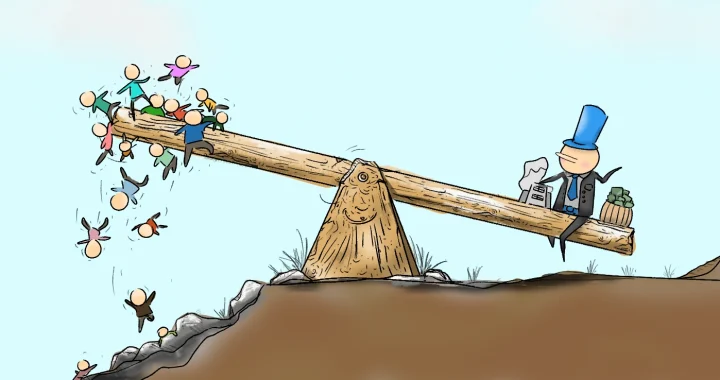 Holding Harmful Industries Liable for Harm to Human Life and the Environment
 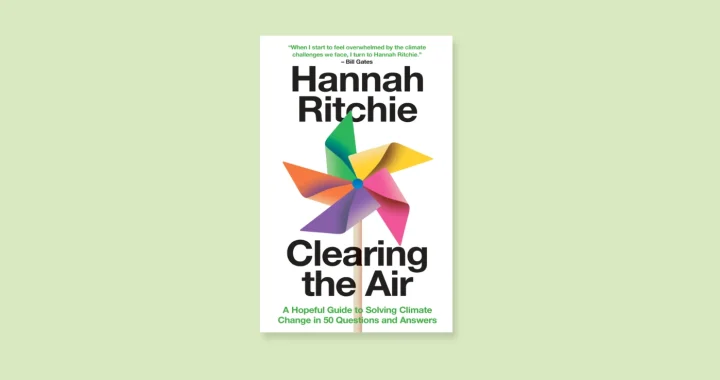 Clearing the Air of Despair Surrounding the Climate Crisis with Data
  How Do Wild Animals Survive Wildfires?
  How Losing Sleep Is a Climate and Equality Issue
  How the Cost of Living Crisis Is Pushing People Away from Sustainable Choices