

Urgency to Protect Migratory Species as Extinction List Expands
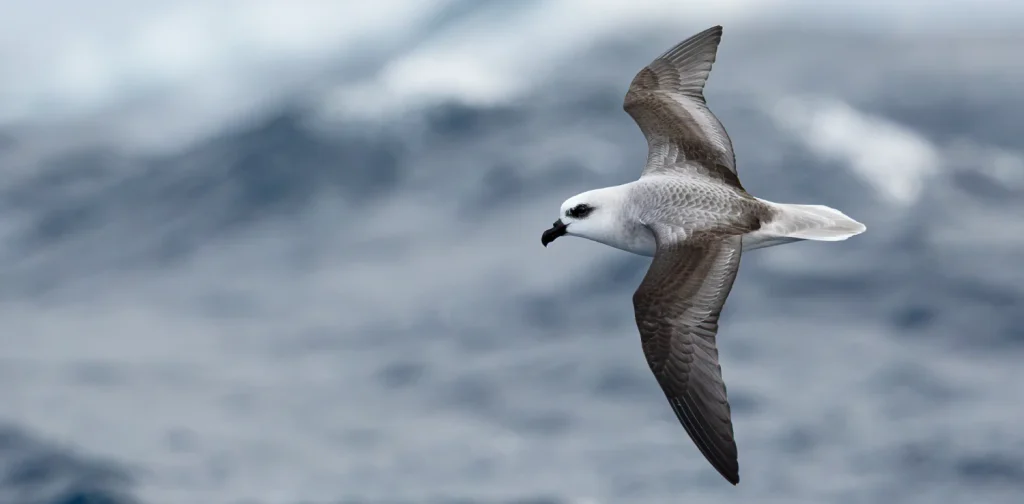
Photo: JJ Harrison on Wikimedia Commons.
As seasons change, millions of animals migrate across places. They travel through lands, air, and seas while performing ecological functions crucial to planetary health. However, the survival of migratory species is increasingly threatened along with the deepening environmental crisis.
Migratory Species in Decline
From gigantic whales to colorful butterflies, animals travel from one area to another to find food, habitats, or mates. Throughout their migratory routes, these animals also help pollinate, regulate ecosystems, and control pests. Their presence and role in maintaining the overall balance of nature cannot be overlooked.
Their journey is far and long—humpback whales can even travel as far as 8,000 kilometers. So, the survival of migratory species depends heavily on coordinated action by countries along their migratory routes to safeguard these paths.
However, the risk of extinction is rising, according to an interim report by the UNEP World Conservation Monitoring Centre (UNEP-WCMC). It warns that 49% of migratory species’ populations protected under the Convention on Migratory Species (CMS) treaty are declining, and that 24% of species are at risk of extinction. In a previous report published in 2024, the numbers stood at 44% and 22%, respectively.
Concerningly, a similar trend applies to migratory species as a whole. The report cites escalating pressure from human activities that alter ecosystems within the routes, including land-use change, overfishing, and illegal trade. These risks are compounding, creating bigger threats for wildlife.
Additions to the Long List
CMS is a UN treaty that provides a global platform for the conservation and sustainable use of migratory animals and their habitats. Since its adoption in 1979, the treaty has listed over 1,200 species in Appendices I (species in danger of extinction) and II (species in need of coordinated international action).
On March 29, 2026, the Parties to the Convention on the Conservation of Migratory Species of Wild Animals agreed to expand protection by adding 40 more species to the appendices. This agreement was adopted on the final day of the CMS COP15, which ran from March 23 to 29, 2026, in Brazil.
The evidence of migratory species’ extinction in the interim report forms the basis of this expansion. Included in the expansion are several shorebird species, as the report notes that they face a higher risk of extinction. Iconic species like cheetahs, striped hyenas, and snowy owls are also on the list. Additionally, the Parties approved multi-species conservation plans, including action plans for jaguars, steppe eagles, and Arabian Sea humpback whales.
International Cooperation
“From the Pantanal to the Arctic, from the oceans to the savannas, migratory species connect our planet in ways no political map ever could. They remind us that ecological integrity depends on continuity on flows that must remain alive, uninterrupted, and resilient,” said João Paulo Capobianco, the Chair of COP15.
Ultimately, the presence of international treaties and the ongoing expansion of protected species call for countries to cooperate in safeguarding them. This means stopping harmful activities that damagedamaging animal populations and their habitats, especially if said activities prioritize economic gains over societal and environmental wellbeing.
Editor: Nazalea Kusuma
Co-create positive impact for people and the planet.
Amidst today’s increasingly complex global challenges, equipping yourself, team, and communities with interdisciplinary and cross-sectoral insights on sustainability-related issues and sustainable development is no longer optional — it is a strategic necessity to stay ahead and stay relevant.
 Behavior Change for the Planet: Is composting worth it?
  Building Bridges Between Environmental Policy and Mental Health
  We May Surpass 1.5°C Soon, But We Can Do Something About It
  From European Heat to the Himalayan Flood: The Transboundary Nature of Climate Risk
  Noise Pollution Is Making Us Sick, and Climate Change Is Making It Worse
  Beyond Fashion: The Environmental Cost Behind Animal Leather