

How Do Wild Animals Survive Wildfires?
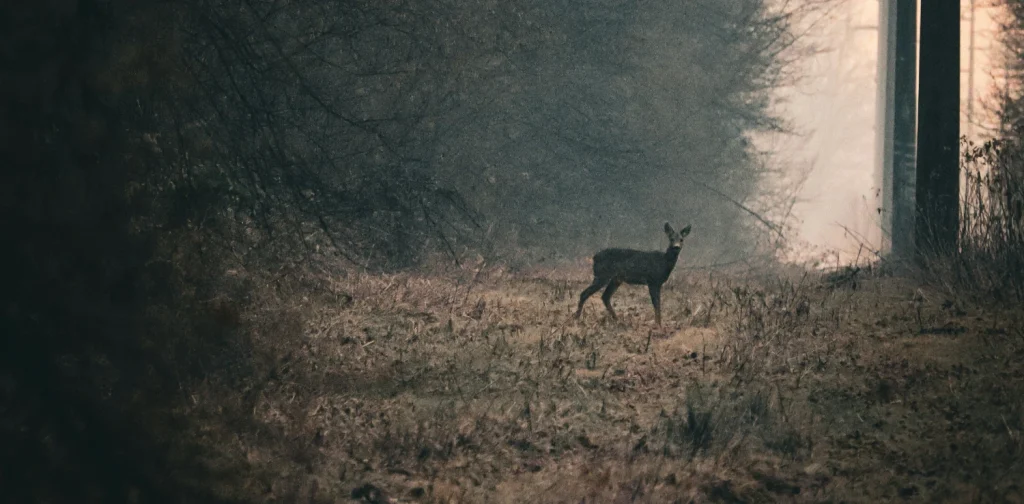
Photo: Nikola Tomašić on Unsplash.
From record heatwaves to huge wildfires, we are quite literally experiencing what it is like to live in a world on fire. While millions of people are losing houses and struggling to breathe through thick haze, wild animals living inside or near fire hotspots are facing the same struggle. So, where do wild animals factor into disaster management amid increasing risks?
Bigger, More Frequent
We are experiencing more intense fires in recent years, both in frequency and scale. This summer, firefighters in the United States have responded to 52,253 wildfires per August 2026, which is more than double the amount typically seen in the past decades. Wildfires happening in Spain’s Avila region are considered the biggest since 1961, while burned areas in Europe throughout 2025 reached a record level of around 1,034,552 hectares.
As of September 1, 2026, three provinces in Kalimantan, Indonesia, recorded 7,863 fire hotspots as the country grappled with a super dry season with very little precipitation. Conducive fire weather like this counts as a factor influencing fire events, and studies have found an increasing trend over the years. For instance, Jolly et al. (2014) found that fire weather season length increased by 18.7% globally from 1979 to 2013. Additionally, global burnable areas affected by long fire weather seasons also doubled.
Meanwhile, the World Resources Institute stated that forest fires destroy more than twice as many hectares of trees annually between 2001 and 2025 compared to 20 years ago. The rate is even higher in the tropics. These fires destroyed homes and critical infrastructure. The byproducts, like smoke and ash, also polluted air and water, causing public health concerns. A study revealed that exposure to wildfire smoke has caused more than 1.5 million deaths globally.
Survival Instincts
Forest loss is also precisely why wildfires are also an animal health emergency. Australia’s catastrophic bushfires in 2019–2020 harmed around three billion animals, according to the WWF. These include those who were killed by the flames or displaced from their habitats.
Wild animals are also susceptible to smoke inhalation and heat stress like we do. However, a study found low animal fatalities caused directly by fires. Researchers from Australia examined 31 studies from 1984–2020 and found 43 instances where fires directly affected animal mortality. Still, it is worth noting that most of these fires had low severity.
Nevertheless, this highlights an important point regarding animal’s adaptability and survival skills during fire events. Professor Dale Nimmo, one of the researchers on the previous study, noted in a separate article that some species can detect smoke, sound, and chemicals emanating from fires. A study even suggests that fire beetles from Melanophila genus can identify a fire from over 60 kilometers away. Large animals like kangaroos and tigers usually use these signals to flee the scene, whereas smaller animals like wombats and toads seek refuge in burrows or under rocks.
Wildfires Aftermath
But one of the biggest threats from wildfires lies in the aftermath. When occurring on a small, manageable scale, fires can actually help clear out areas to regenerate ecosystems, allowing new plants to grow and building new shelters for animals. These ecological benefits exist within burning practices done by Indigenous communities around the world.
As wildfires grow more intense, however, ecosystems are getting burned to ashes by uncontrollable fire and stripped bare from their once-rich resources. This forces animals to look for food and water somewhere else, which may lead to human-wildlife conflicts. A study examining behavior of mountain lions after wildfires in Los Angeles found increased activities near urban areas, such as road crossings and daytime activities. Additionally, the study also noted greater risk of conflicts among the same species as they compete for limited resources to live. For smaller animals, wildfires leave them with fewer hiding spots as they burn trees and shrubs. This increased their chances of becoming prey.
The risks heighten for species with vulnerable populations. These events can make further dent to their dwindling populations, either directly or through threats to rehabilitation sites and conservation work.
Wild Animals in Disaster Management
The destruction of habitats and populations is a threat to our collective survival on the planet. Which means, prompt integration of wild animals into disaster management is crucial. More research should go into examining wild animals survival habits and building relevant protective and preparedness measures, such as escape routes, safe zones, and rescue efforts. Restoring habitat post-fire, such as by building artificial refuges and implementing rewilding plans, is also important to help wild animal populations bounce back.
Still, prevention provides the best scenario. As climate change is increasing risk of bigger and more destructive fires, more efforts should be directed to managing them. Human activities remain the primary cause of wildfires, which means that stronger regulations are required to prevent deliberate acts of triggering fires. Moreover, greater public awareness about fire risk and management are also crucial to curb negligence and increase protection for those living near fire hotspots. Early detection, quick responses, as well as proper mitigation and adaptation are vital to safeguard people and the planet.
Editor: Nazalea Kusuma

Co-create positive impact for people and the planet.
Amidst today’s increasingly complex global challenges, equipping yourself, team, and communities with interdisciplinary and cross-sectoral insights on sustainability-related issues and sustainable development is no longer optional — it is a strategic necessity to stay ahead and stay relevant.
 Indonesia’s Greenwashing Diplomacy at COP31 and Beyond
  The Textile Industry Is Growing, and So Is Textile Wastewater
  EESG: We Need a New Economic Narrative for Sustainability in the Age of AI, Energy Crisis, and Geopolitical Divide
  The Continued Struggle for Equality and Dignity in Women’s Sportswear
  Behavior Change for the Planet: Is composting worth it?
  Building Bridges Between Environmental Policy and Mental Health