

Data Center Boom: Looking at India and Beyond
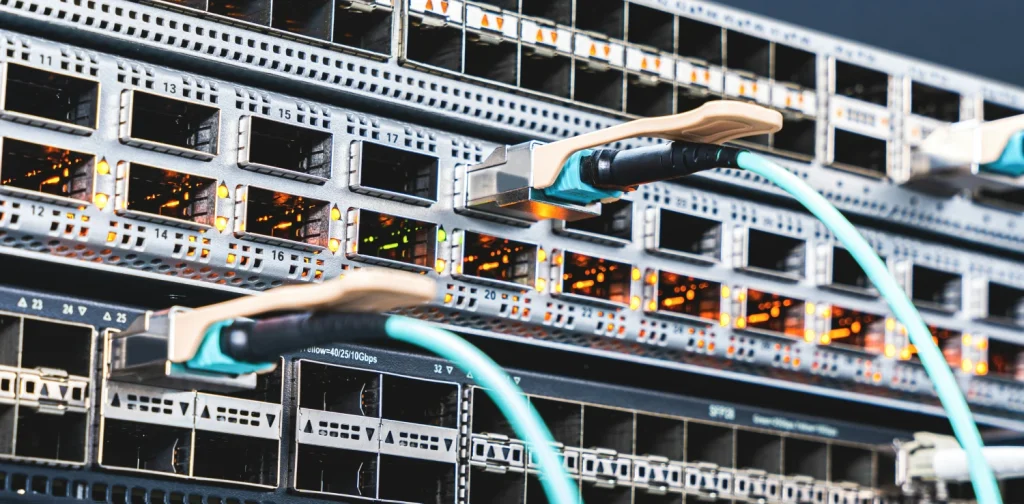
Photo: Lightsaber Collection on Unsplash.
As technology advances, so does the growth of Artificial Intelligence (AI). The use of AI, especially generative AI, is becoming more prevalent in societies today. In line with the hype, companies around the world are building more data centers, including in emerging markets such as India. What are the implications of this data center boom to people and the planet?
Data Center Boom in India
Data centers provide the foundation and storage for the digital infrastructures we use daily. They have been growing globally and are likely to concentrate in developing countries or emerging markets. Investing in data centers is seen to attract further investment in complementary industries, including cloud services, fintech, and e-commerce. This data center boom will supposedly bring not only capital, but also technology and jobs that could potentially help the local economy.
As one of the largest economies in Asia, India is catching up to become a major data center hub in the region. The country has a large number of internet users, with citizens reported to consume around 62GB of mobile data per user per month, ahead of developed markets such as the US, Europe, China, and South Korea.
In October 2025, Google announced a 15 billion USD investment for an AI Hub in the southern state of Andhra Pradesh. Two months later, Microsoft announced a 17.5 billion USD investment over four years to advance India’s cloud and AI infrastructure. Amazon also planned to invest more than 35 billion USD for AI-driven digitization, export growth, and job creation.
Several policies and incentives have emerged to support the scaling up of data centers in India. In 2018, for instance, the Reserve Bank of India mandated payment system providersto store financial data within the country. India also plans to set up four Data Center Economic Zones (DCEZs) that would create an ecosystem for hyperscale data centers and cloud service providers.
Criticism and Harm
However, data centers are notorious for consuming large amounts of energy and water for cooling and maintenance. India is already experiencing water stress, with only 4% of the world’s water resources to sustain its 1.4 billion population. And yet, data centers in India are expected to consume 358 billion liters of water by 2030, more than double the 2025 consumption
Furthermore, the Human Rights Forum noted that the city Visakhapatnam, where Google planned to build its AI-hub, already faces groundwater depletion, erratic rainfall, and climate variability that cause acute water stress. Building a data center hub in this city will only exacerbate the crisis, diverting water resources from local residents to an industry with under-regulated value and risk distribution.
This paints a picture of global socioeconomic inequalities. Local communities have to bear the social and environmental costs of the data center boom, which can outweigh the potential benefits. Meanwhile, many of these communities are already disproportionately vulnerable to the climate crisis.
Caution Ahead
Rapid digital transformation has opened the door to a data center boom globally. Countries like Brazil, Kenya, the UAE, and Singapore have also been ramping up investments to develop the infrastructure. A report notes that establishing data centers in Southeast Asia would generally cost less, which might fuel the data center boom in the region.
Still, proceeding with caution is vital. It is crucial to note how this trend can affect labor and natural resources in the target countries. For example, data centers depend heavily on critical minerals, such as lithium, cobalt, and rare earth elements, for batteries and computing devices—many of which are extracted in the Global South by local workers at risk of modern slavery.
Therefore, countries must be aware of all possible implications of building data centers when considering investments. Governments must establish clear regulations and policies governing data center development, as well as protective measures for workers, communities, biodiversity, and natural resources that may be affected. Public participation, especially from local communities, is essential to this process.
At the same time, tech companies must be committed to reducing the environmental and social cost of data centers, including primarily using renewable energy and optimizing cooling systems and operations. These companies should also provide transparency into the resources and energy they consume in their data center facilities and ensure net-positive impacts on the surrounding natural and social environments.
Editor: Nazalea Kusuma & Kresentia Madina

Co-create positive impact for people and the planet.
Amidst today’s increasingly complex global challenges, equipping yourself, team, and communities with interdisciplinary and cross-sectoral insights on sustainability-related issues and sustainable development is no longer optional — it is a strategic necessity to stay ahead and stay relevant.
 Looking into the Inadequate Legal Recognition for Women’s Tenure Rights Across the Global South
  The Disproportionate Cost of Data Centers for Local Communities
  Will the EU Ban on Destroying Unsold Clothes Reduce Textile Waste?
  How Extreme Heat Affects Human Livability
  Looking into Green Ramadan Initiatives Worldwide
  The Widespread Impacts of Severe Drought in Somalia