

Farmer Loneliness, the Overlooked Mental Health Crisis Within the Food System
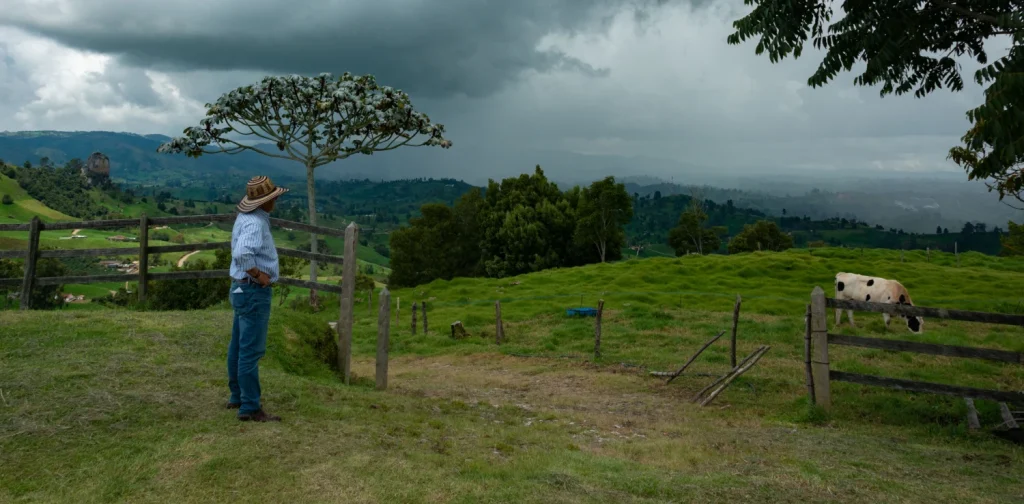
Photo on Pexels: Diego F. Parra.
Farming has never been easy; but there is a specific kind of hardship that has settled across rural farming communities worldwide in recent years. It is one that does not make headlines, does not trend online, and does not attract political attention proportionate to its scale. From the quiet parts of the changing world, farmer loneliness is becoming more than a footnote. It is a documented and accelerating driver of one of the most severe mental health crises in any occupational group on earth.
Farmwork is one of the most rewarding jobs. Farmers’ hard work feeds hungry mouths—theirs, their communities, and the rest of the world. Moreover, the innovation and adoption of modern technology in agriculture has helped them do their jobs more efficiently. But being able to do things on their own with the help of agritech can make farming even more lonely. On top of long lone hours at the field, farmers now also face the impacts of the changing climate.
Global and Deadly
Farmer loneliness cuts across income levels, continents, and agricultural systems. Concerningly, this mental toll may lead to loss of lives. A farmer dies by suicide every ten days in Australia. In France, it is one every two days. Meanwhile, farmers in the US are 3.5 times more likely to die by suicide than the general population.
In Ghana, 60% of livestock farmers suffered from poor mental health. Loss of livestock to disease, theft, and drought produced grief and financial despair that most rural communities have no formal system to process.
India saw an average of 10,000 to 12,000 farmer suicides annually from 2015 to 2022. Debt, crop failure, drought, and the deep social shame of being unable to provide are the main drivers. The risk compounds with farmers’ easy access to pesticides, which remain a primary method of suicide in rural India that leads to thousands of deaths every year.
The crisis does not stop here. A research tracking the relationship between climate shocks and agrarian deaths in India projects a push in annual farmer suicide numbers from around 810 to 1,188 as a result of a 25% rainfall deficit. Meanwhile, a 2026 study surveying over 1,000 smallholder farmers in Ghana found that postharvest food loss was directly associated with increased suicidal ideation.
Land Loss That Compounds Everything
Furthermore, loss of land is a rising issue that adds to the weight. In the United States, 15,000 small farms were lost in 2025 alone, with farm bankruptcies rising 46% in a single year. Large operations now control over half of the nation’s farmland despite making up less than 10% of all farms.
The dynamic plays out differently but no less devastatingly in developing nations. Smallholder farmers face weak land tenure security, land fragmentation, and increasing vulnerability to climate change. They also have only limited access to credit or insurance, leaving them even more vulnerable to shocks.
The psychosocial weight of that exposure is significant. For farmers, losing land is not merely about losing an asset. It may as well be about losing an identity and purpose of life. A scoping review published in Current Psychology in 2025 found consistent links between drought, debt, financial stress, and social isolation as drivers of farmer suicides across 26 studies spanning multiple countries and cultures.
The Support Disparity of Farmer Loneliness
The underlying experience of farmer loneliness is structurally similar across the globe. What varies is whether any support exists to interrupt it.
There were 47 reported suicides in 2024 among people working in farming across England and Wales. This prompted charities to warn of a loneliness epidemic among older farmers driven by isolation and a sense of abandonment by the state.
Similar cases of dedicated programs have begun to emerge across the Global North. These countries have some levels of dedicated helplines, agricultural mental health programs, peer support networks, and at least some policy infrastructure for response.
In the Global South, however, the same loneliness and despair exist without those structures. Research into the psychosocial impact of climate change on smallholder farmers in developing countries has found that studies on the African continent remain scarce, creating a dangerous gap in both evidence and response.
The mental health support gap in general is concerning in low and middle-income countries. The WHO Mental Health Atlas 2024 documented persistent underfunding, workforce shortages, and service gaps, particularly in low-resource settings. WHO also noted significant disparities between urban and rural access to mental health care. For rural communities in developing countries, the global conversation about farmer mental health might as well be happening on a different planet.
Tackling Farmer Loneliness
A systematic review of farmer mental health interventions consistently finds that community-based and peer-supported models outperform clinical-only approaches in agricultural settings, across countries and income levels. In this case, community support infrastructure specifically tailored to agricultural contexts is crucial and feasible. This includes trained community health workers, agricultural extension officers who understand mental health, and farmer-to-farmer networks. These are all accessible pathways even in low-resource environments.
Some examples hail from the rural US. The Minnesota Farm Advocate program connects farmers in crisis with retired farmers who understand agricultural culture. The Wisconsin’s Farmer Angel Network provides peer outreach specifically designed for stoic rural individuals who would not seek clinical help but will talk to someone who has worked the same land.
Furthermore, research show that strong family support, access to credit, and shared household decision-making are significant protective factors against suicidal ideation among smallholder farmers. These point toward what policymakers can do structurally: improve credit access, strengthen social protection for farming families, and build the kinds of community connections that isolation systematically erodes.
Ultimately, global funding bodies, development organizations, and agricultural institutions need to treat farmer mental health as a development priority. Without interventions, farmer loneliness may lead to overarching food security issues. After all, the health and wellbeing of the person growing the food is part of the food system.
Editor: Nazalea Kusuma
Co-create positive impact for people and the planet.
Amidst today’s increasingly complex global challenges, equipping yourself, team, and communities with interdisciplinary and cross-sectoral insights on sustainability-related issues and sustainable development is no longer optional — it is a strategic necessity to stay ahead and stay relevant.
 Beyond Fashion: The Environmental Cost Behind Animal Leather
  Addressing the Hidden Risk of Microplastics from Offshore Infrastructures
  Addressing Antimicrobial Resistance as More Than a Medical Issue
  Holding Harmful Industries Liable for Harm to Human Life and the Environment
  Clearing the Air of Despair Surrounding the Climate Crisis with Data
  How Do Wild Animals Survive Wildfires?