

Highlighting State Responsibility Amidst the Climate Crisis Through UNGA Resolution and ICJ’s Advisory Opinion
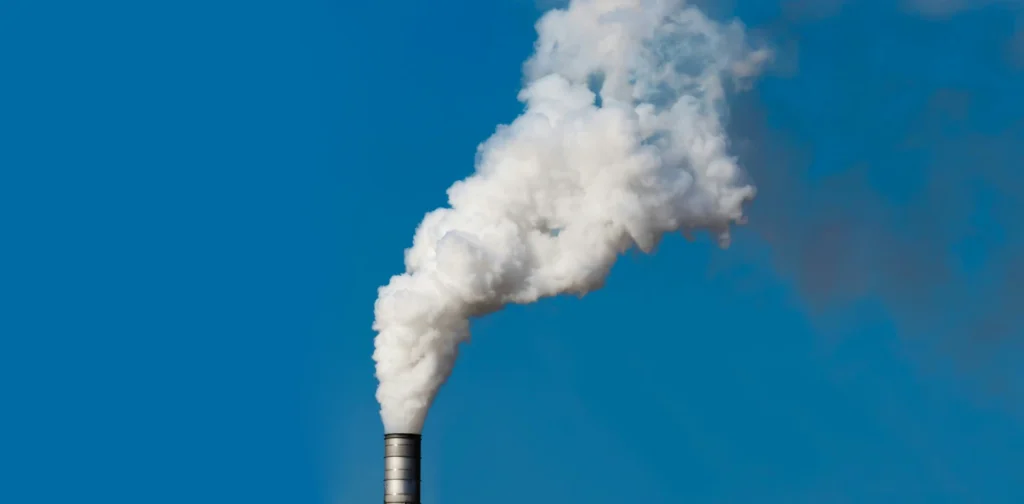
Photo: Pawel Czerwinski on Unsplash.
Climate change is gradually worsening. And more often than not, nations which produce the least carbon emissions are the most affected by global warming. As the climate crisis looms ever closer, the United Nations has once again urged state governments to take bold, immediate action.
Climate Crisis as a Human Rights Issue
In July 2025, the International Court of Justice (ICJ) released its landmark Advisory Opinion on the Obligations of States in respect of Climate Change. Before that, the ICJ held public hearings in the proceedings in December 2024. The process marked the highest level of participation in a proceeding, during which 96 States and 11 international organizations presented oral statements. The ICJ then adopted this Advisory Opinion unanimously.
In this Advisory, the United Nations’ highest court said that states must act with urgency to address climate change. This involves emissions cuts, implementing global climate agreements, and protecting marginalized populations as well as vulnerable ecosystems.
The main purpose was to establish a legal framework for State responsibility, especially concerning those that have breached their obligations to protect the climate system. Moreover, the ICJ wished to outline the legal consequences caused by the breach.
“The human right to a clean, healthy, and sustainable environment is essential for the enjoyment of other human rights,” said ICJ President, Judge Iwasawa Yuji.
A Case of Climate Justice
Vanuatu, among others, then began drawing up a UN resolution. As a Pacific island nation, its struggle being on the frontline of the climate crisis is undeniable. Ralph Regenvanu—Vanuatu’s Minister for Climate Change Adaptation, Energy, Environment, Meteorology, Geo-Hazards and Disaster Management—said that this resolution is deeply significant for vulnerable countries like Vanuatu. He noted that it confirms how no State is above the obligation to protect its people and the Earth.
The least developed countries, landlocked developing countries, and small island developing states are the most vulnerable. This means climate change presents a more immediate threat to around 91 countries with a population of about 1.1 billion. These communities struggle with rising sea levels or drought or tropical storms that result in crop failures, disasters, or displacement.
Moreover, they face disproportionate challenges not only from natural hazards but also existing structural issues. These countries have less means to prepare and mitigate against climate change-related dangers due to their limited institutional capacity, lack of infrastructure, and restricted financial resources. For example, in some least developed countries in West and Central Africa, climate change only exacerbates conflicts over natural resources. Meanwhile, the citizens of small island developing States constantly face the threats of losing their lives and livelihoods should a climate disaster kick in.
Conversely, these vulnerable states are usually the least responsible for the crisis. However, due to the transboundary nature of pollution, they are the ones most burdened. This climate inequity and injustice highlights the importance of State responsibility and accountability. After all, their contribution to climate change impacts those around them.
From International Court of Justice to the United Nations
In May 2026, the ICJ’s landmark Advisory Opinion was then adopted by the United Nations General Assembly as a resolution. This movement is considered to be a milestone for climate action because it emphasizes states’ responsibility to protect their peoples from the “existential threat” that is the climate crisis.
There were 141 voters in favor, 8 against, and 28 abstentions. Those voting against were Belarus, Iran, Israel, Liberia, Russia, Saudi Arabia, the US, and Yemen.
Albeit not binding, the Advisory states that countries involved in climate change treaties have binding and onerous obligations to mitigate greenhouse gas emissions and adapt to their harmful effects. It also re-enforces existing international laws on climate change, such as the Paris Agreement. Not to mention, activists can use the resolution and Advisory Opinion as a foundation for climate litigation at the national or regional levels.
What’s Next?
Now that the resolution has passed, the UN Secretary General is expected to submit a report in 2027 regarding ways to comply with the obligations identified in the ICJ’s Advisory Opinion.
One notable policy change is in the implementation of environmental impact assessments (EIAs). Roughly 190 countries utilize EIAs to obtain and evaluate environmental information in decision making processes. However, there is a problem with using EIAs in context to fossil fuel extraction projects, a major contributor to the climate crisis. The EIA is generally focused only on the emissions that occur in the actual extraction of oil and gas. Yet, around 75% to 85% of the emissions occur when the fuel is consumed. In the new ICJ Advisory Opinion, end-use emissions from burning extracted fossil fuels must be considered in project EIAs.
Still, advocates warn that the resolution alone will not be sufficient to end the climate crisis. All parties must commit to cut greenhouse gas emissions and practice other measures. Businesses, for instance, must prepare to adapt to tighter regulations and due diligence obligations. At the same time, this presents an opportunity to improve their operations and market positions by conducting business that aligns with human rights and climate action.
Editor: Nazalea Kusuma

Co-create positive impact for people and the planet.
Amidst today’s increasingly complex global challenges, equipping yourself, team, and communities with interdisciplinary and cross-sectoral insights on sustainability-related issues and sustainable development is no longer optional — it is a strategic necessity to stay ahead and stay relevant.
 Indonesia’s Greenwashing Diplomacy at COP31 and Beyond
  The Textile Industry Is Growing, and So Is Textile Wastewater
  EESG: We Need a New Economic Narrative for Sustainability in the Age of AI, Energy Crisis, and Geopolitical Divide
  The Continued Struggle for Equality and Dignity in Women’s Sportswear
  Behavior Change for the Planet: Is composting worth it?
  Building Bridges Between Environmental Policy and Mental Health