

From European Heat to the Himalayan Flood: The Transboundary Nature of Climate Risk
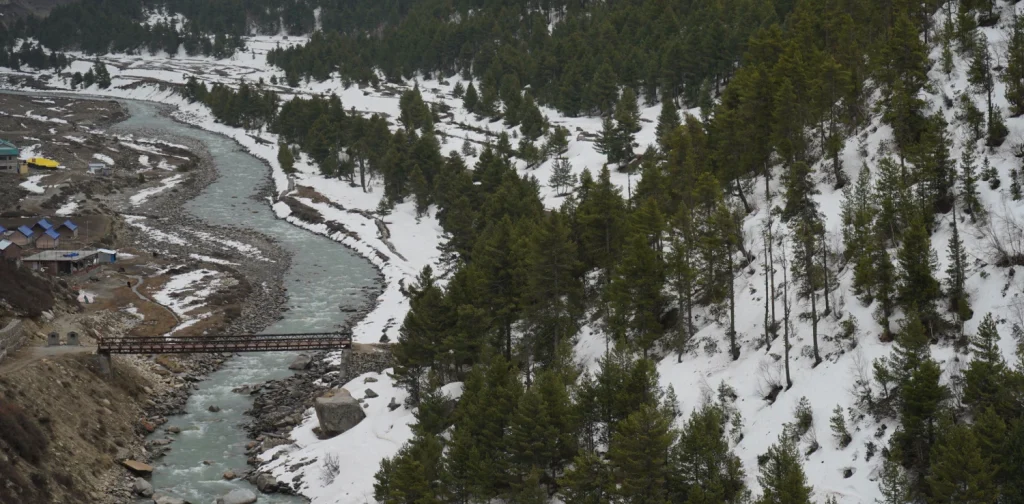
Photo: Suhali Vyas on Pexels.
These days, ice cream melts too quickly, and it does so for a reason. The surrounding temperature and humidity generally influence this. The climate is getting hotter and hotter, melting the Earth’s giant “ice cream”—glaciers. This phenomenon is one of the more obvious marks of global warming. At this point, eco-consciousness—an awareness of the consequences of our daily actions and their impact on the environment and our future—is critical. And as the climate crisis looms ever closer, climate risk that transcends distance becomes something we cannot ignore.
Extreme Heat Is Sweeping Across the Earth
Global temperatures have been on an upward trend for the past years. And as climate change progresses, the impacts get closer and closer to our daily lives. One of the more obvious signals is the increasingly hotter and longer heatwave.
In 2026, extreme heat swept Europe. June 2026 is confirmed to be the second-hottest month on record, following June 2024. “Europe is the fastest-warming continent on Earth, heating at twice the global average,” according to WHO Director-General Tedros Adhanom Ghebreyesus.
More than just ice cream that melted too quickly, nearly every aspect of life felt the impact of the extreme temperatures. The consequences ranged from schools closing and tram tracks melting to power grids shutting down and people dying.
And while Europe took center stage this time, extreme heat events have increased in frequency and intensity across the globe. Moreover, the climate risk that this heat brings about crosses distance and borders.
The Heat that Melts Glaciers
On another part of the planet, disaster hit. August 2026 was marked disastrous for Nepal and Tibet as flash floods struck. These floods swept away settlements in Nepal’s Rasuwa and Nuwakot districts and as far as Mansarovar in Tibet. The death toll from this disaster reached 1,428. More than 5,649 people were reported missing, including approximately 800 foreign nationals who were visiting as tourists or on pilgrimages. The vital border corridor between Nepal and China—which includes various hydropower projects and popular tourist destinations—suffered damage estimated at $ 4.78 billion in reconstruction costs.
Nepal’s geography is unique. It has some of the world’s tallest mountains, fast-flowing rivers, and glaciers. This landscape also makes it highly vulnerable to natural hazards, such as floods and landslides. As the planet heats up, climate risk in the region significantly heightens, despite being among the lowest contributors to greenhouse gas emissions.
Prakash Pokharel, a geologist at Planet Labs, suggested that ice and rock avalanches may have caused the flooding. He added, “Whether or not this was influenced by climate factors will certainly be the focus of research in the coming days.”
Researchers in Nepal have corroborated the theory. The theory goes like this: Floods like this can occur when glaciers melt and the water accumulates, slowly thawing frozen rock and sediment and destabilizing it. Soil on the slopes of the Himalayas, originally held together by permafrost, can thaw when temperatures rise too high. Then, rock and ice debris from the mountain slopes creates a torrential flow below.
This was not the first time melting glaciers had triggered devastating disasters. A similar incident occurred in Alaska in summer 2026, causing a 1,500-foot-high tsunami. In 2022, Pakistan faced at least 16 glacial lake outburst floods. One of the biggest ones happened at Hassanabad Village from the melting of the Shisper Glacier. It destroyed homes, the Hassanabad Bridge, two hydroelectric power plants, and other infrastructures.
Mitigation amid Rising Climate Risk
The heat that resulted in heatwaves across Europe was the same heat that melted glaciers linked to floods in the Himalayas. The heat will continue to melt the planet’s ice caps. Flooding from melting or collapsing glaciers directly affects nearby residents. However, this does not mean communities far from glacial ecosystems are immune. As glaciers melt, they flow across the Earth’s surface, raising sea levels every year. Then, threats manifest as coastal floods and sinking cities.
Reducing greenhouse gas emissions remains the primary mitigation measure to curb climate risk. Strict oversight of policies regulating greenhouse gas emissions is essential. Every sector—governments, businesses, and civil society—plays a vital function in maintaining our climate’s balance.
Meanwhile, urgent mitigation measures are needed to reduce disaster risk. From monitoring and early warning systems to ecosystem-based adaptation measures and inclusive disaster responses, every step matters to minimize the impact of natural hazards and stop them from becoming disasters.
Climate risk is fundamentally transboundary. It cares not for distance between continents or borders between countries. Therefore, global multi-stakeholder cooperations are crucial to truly address the spots of disasters that keep popping up all over the world.
Editor: Nazalea Kusuma

Co-create positive impact for people and the planet.
Amidst today’s increasingly complex global challenges, equipping yourself, team, and communities with interdisciplinary and cross-sectoral insights on sustainability-related issues and sustainable development is no longer optional — it is a strategic necessity to stay ahead and stay relevant.
 Noise Pollution Is Making Us Sick, and Climate Change Is Making It Worse
  Beyond Fashion: The Environmental Cost Behind Animal Leather
  Addressing the Hidden Risk of Microplastics from Offshore Infrastructures
  Addressing Antimicrobial Resistance as More Than a Medical Issue
  Holding Harmful Industries Liable for Harm to Human Life and the Environment
  Clearing the Air of Despair Surrounding the Climate Crisis with Data