

We May Surpass 1.5°C Soon, But We Can Do Something About It
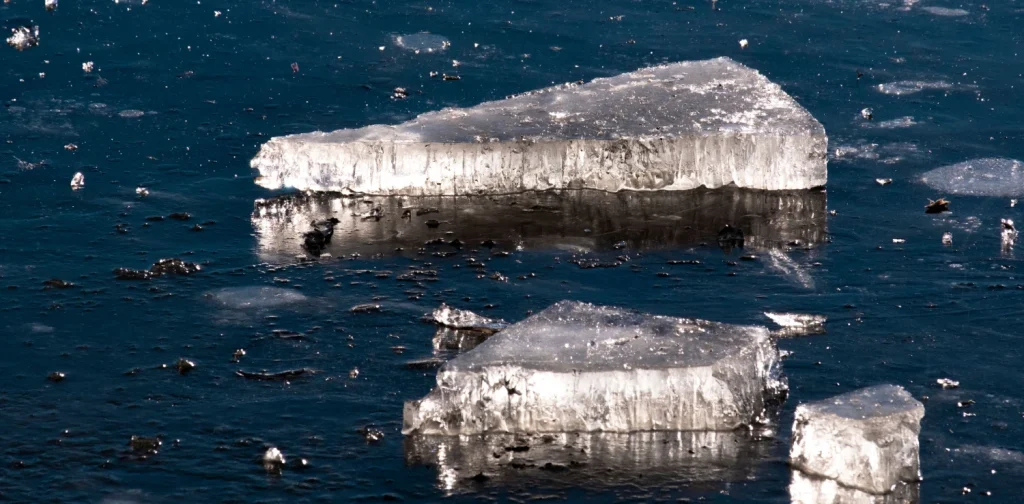
Photo: Star Zhang on Pexels.
Despite the global pledge to limit global warming, we may be on track to exceed it soon as the Earth continues to boil. The good news is, our fate is not set in stone—but only if we act now. The “Limiting Overshoot” report, published by the UNEP in September 2026, invites us to treat this projection as a signal to act faster to make reversing warming towards 1.5°C increasingly possible through stronger mitigation and adaptation.
Surpassing the 1.5°C Target
In 2015, world leaders pledged through the Paris Agreement to limit temperature rise at 1.5°C above pre-industrial levels. However, the report reveals a bitter truth: we are going to surpass the target in the next few years.
Observations by Foster et al. (2026) show that human-induced warming reaches 1.37°C above pre-industrial levels in 2025. Meanwhile, global temperature has been increasing at a rate of 0.27°C per decade over 2016–2025. Even under an optimistic scenario where government pledges are fully implemented and net-zero targets are met, the temperature rise will still peak at 1.8°C.
Emissions from human activities remain the biggest driver of this upward trend. Fossil fuels still contribute the largest share of carbon dioxide emissions, hitting an all-time high of 37.8 Gt CO2 according to the International Energy Agency. Despite temporary reduction during the COVID-19 pandemic, the constant record-breaking greenhouse gas emissions since then make limiting temperature rise increasingly difficult each year.
Constant high emissions are also eating away the global carbon budget, referring to the total amount of CO2 that can still be emitted while meeting a certain degree goal. At the current rate, the remaining budget for 1.5°C may be exhausted in just about three years. This means that global CO2 emissions will need to reach zero in roughly six years.
Future We May Lose
The report is clear on one thing: that nothing good will come out from us exceeding 1.5°C. In fact, reaching that point is already dangerous for natural and human systems, as once predicted in IPCC’s Sixth Assessment Report (2021). The AR6 highlighted several key risks involving unique and threatened ecosystems, such as coral reefs and glaciers, which are vulnerable against extreme heat.
Many of these once-projected risks are beginning to unfold. The National Oceanic and Atmospheric Administration (NOAA) recorded mass coral bleaching events in at least 83 countries and territories between 2023 and 2025. Heat stress is affecting around 84% of the world’s coral reef areas, stripping them white due to loss of symbiotic algae and photosynthetic pigments.
Meanwhile, Copernicus noted that 40% of total global glacier loss since the 1970s occurred in 2015–2024. Sea extent—ocean areas with more than 15% sea ice concentration—in both the Arctic and Antarctic have been below average for several years. Meanwhile, global sea ice extent reached a new all-time minimum, at 16.20 million square kilometers in February 2025.
When reefs can no longer be home to fishes and seawater is inching closer to the shore, we are left bearing the brunt of heightened vulnerabilities in society and ecosystems. Complex risks brought by rising temperature will inevitably interact with existing challenges and create cascading socio-ecological threats, including food insecurity, worsening disasters, and overall increased vulnerabilities
Similarly, reaching peak heating beyond 1.5°C will have its own consequences and so does the declining period. These impacts may come alive at different times, intensity, and degree of reversibility—resulting in interactions that may not yet be fully anticipated. Risks and impacts are neither linear nor fully known across all stages.
Mitigation Pathways
As every celsius higher means bigger risk, avoiding even a slightest increment of warming matters. It is both necessary and feasible to stick as close to the Paris Agreement’s target as possible, which means reaching global net-zero CO2 emissions in the 2050s. Phasing out fossil fuels becomes a key investment for resilience and public welfare, along with reducing methane and accelerating renewable energy adoption.
Moreover, the report highlights the need of Carbon Dioxide Removal (CDR) to reach net-zero. CDR entails deliberately removing the gas from the atmosphere through various methods, such as blue carbon management and peatland restoration. Apart from removal, an important part of CDR is the storing of the carbon captured inside natural reservoirs, including vegetations and oceans, or manufactured products.
Once net CO2 emissions are achieved, CDR’s function to remove what’s left in the atmosphere can help keep the net balance, where the total CO2 emitted into the air equals the amount taken out. Still, proceeding with caution is important. The report warns of some challenges to CDR, including how its deployment can affect progress sustainable development goals and can have legal and governance constraints. In other words, it is a necessary element, but is not a magic fix. Reducing carbon emissions must remain a priority.
Adaptation Is Not An Afterthought
At the same time, adaptation must not be an afterthought. Rather, it is an essential prerequisite of sustained mitigation. Investing in preventive adaptation is more cost-effective than reacting to crises as they happen. This can help preserve institutional and financial capacity needed to sustain mitigation ambition through temperature overshoot, peak and decline. Therefore, mitigation and adaptation must be considered together in financing planning, and must be on the top of mind of the finance ministries and central economic planners.
Furthermore, transformational adaptation is necessary, and context matters. The report highlights that adaptation must be context-specific and heterogenous, with integration of local and regional perspectives instead of a single global framework. Here, strong political will that prioritizes justice is required to address the underlying drivers of vulnerability and support transformational change.
The demand for timely and more effective actions will only intensify as we approach and surpass the 1.5°C. Low-income communities, who are already bearing the brunt of climate change despite contributing less to it, will be disproportionately affected under these complex scenarios. Ultimately, prompt actions are imminent, and world leaders should put out efforts to strengthen mitigation and adaptation to build a foundation for managing future risks.
Editor: Nazalea Kusuma

Co-create positive impact for people and the planet.
Amidst today’s increasingly complex global challenges, equipping yourself, team, and communities with interdisciplinary and cross-sectoral insights on sustainability-related issues and sustainable development is no longer optional — it is a strategic necessity to stay ahead and stay relevant.

Kresentia Madina
Madina is the Assistant Manager of Stakeholder Engagement at Green Network Asia. She holds a bachelor’s degree in English Studies from Universitas Indonesia. As part of the GNA In-House Team, she supports the organization's multi-stakeholder engagement across international organizations, governments, businesses, civil society, and grassroots communities through digital publications, events, capacity building, and research.
 From European Heat to the Himalayan Flood: The Transboundary Nature of Climate Risk
  Noise Pollution Is Making Us Sick, and Climate Change Is Making It Worse
  Beyond Fashion: The Environmental Cost Behind Animal Leather
  Addressing the Hidden Risk of Microplastics from Offshore Infrastructures
  Addressing Antimicrobial Resistance as More Than a Medical Issue
  Holding Harmful Industries Liable for Harm to Human Life and the Environment