

Tackling Noise Pollution for Quieter and Healthier Cities
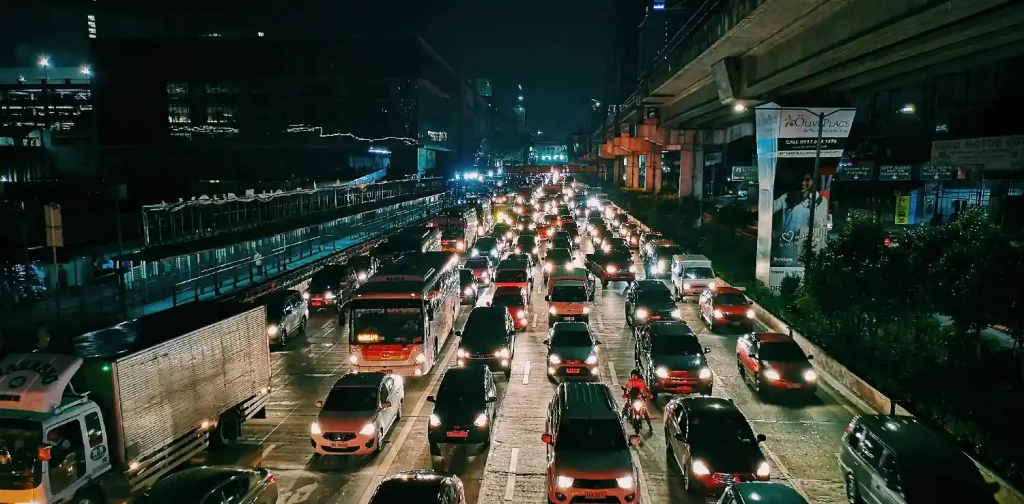
Photo by Mikechie Esparagoza on Pexels
Those who live in the city do not expect it to be totally silent. At times, though, the noises can be too much – the ongoing constructions, cars’ horns, and the never-ending buzz of human activity all at once. These noises will likely fall under noise pollution, which is still largely under-researched. So, how does noise pollution impact the health and quality of life of humans and other species?
Noise Pollution and Health
Noise pollution is associated with human activities such as transportation, industrial operations, and urban development. Though often ignored, noise pollution in urban areas could impact human health.
The European Environment Agency (EEA) reports that long-term exposure to noise can cause various health effects. Annoyance, sleep disturbance, negative effects on the cardiovascular and metabolic systems, as well as cognitive impairment in children, are to name a few.
In a year, environmental noise contributes to 48,000 new cases of ischaemic heart disease as well as 12,000 premature deaths. Additionally, vulnerable and marginalized groups tend to feel the impact even more.
How Noise Pollution Alters the Ecosystem
On top of that, noise pollution also alters the natural dynamics. The United Nations Environment Program (UNEP) studied 30 city-forest paired locations in continental Europe, Japan, and the United Kingdom. It was found that animals adjust their natural sound level in response to urban noise.
For instance, the urban great tits sing at a hurried-higher pitch, and zebra finches sing slower compared to those that live in forests. These behavior adjustments help them to be heard in a noisy environment. Still, their inability to communicate may eliminate them from their habitats, with possible significant ecological implications.
In this light, noise pollution alters ecological communities in water, land, and air by affecting the behavior and physiology of species. It may lead to direct or knock-on consequences for other species in the ecosystem.
How Noisy Are Cities?
Noise has been a problem for centuries. In ancient Rome, carts were prohibited from passing through the streets in the evening to ensure residents could enjoy undisturbed rest. As human civilizations developed, cities continued to expand and grow increasingly crowded. Today, the majority of the global population resides in towns and cities, leading to a corresponding increase in city noise.
According to the UNEP’s “Frontiers 2022: Noise, Blazes and Mismatches” which ranked 61 cities, Asian countries dominated over half the rank. Dhaka in Bangladesh ranked at the top of the list with 119 dB noise. This noise level is double the standard set by WHO. Then, Ho Chi Minh City in Vietnam was fourth on the list with 104 dB noise level. In 2022, the local government detected nearly 8,700 cases of noise-related violations.
Limiting Noise Pollution in Cities
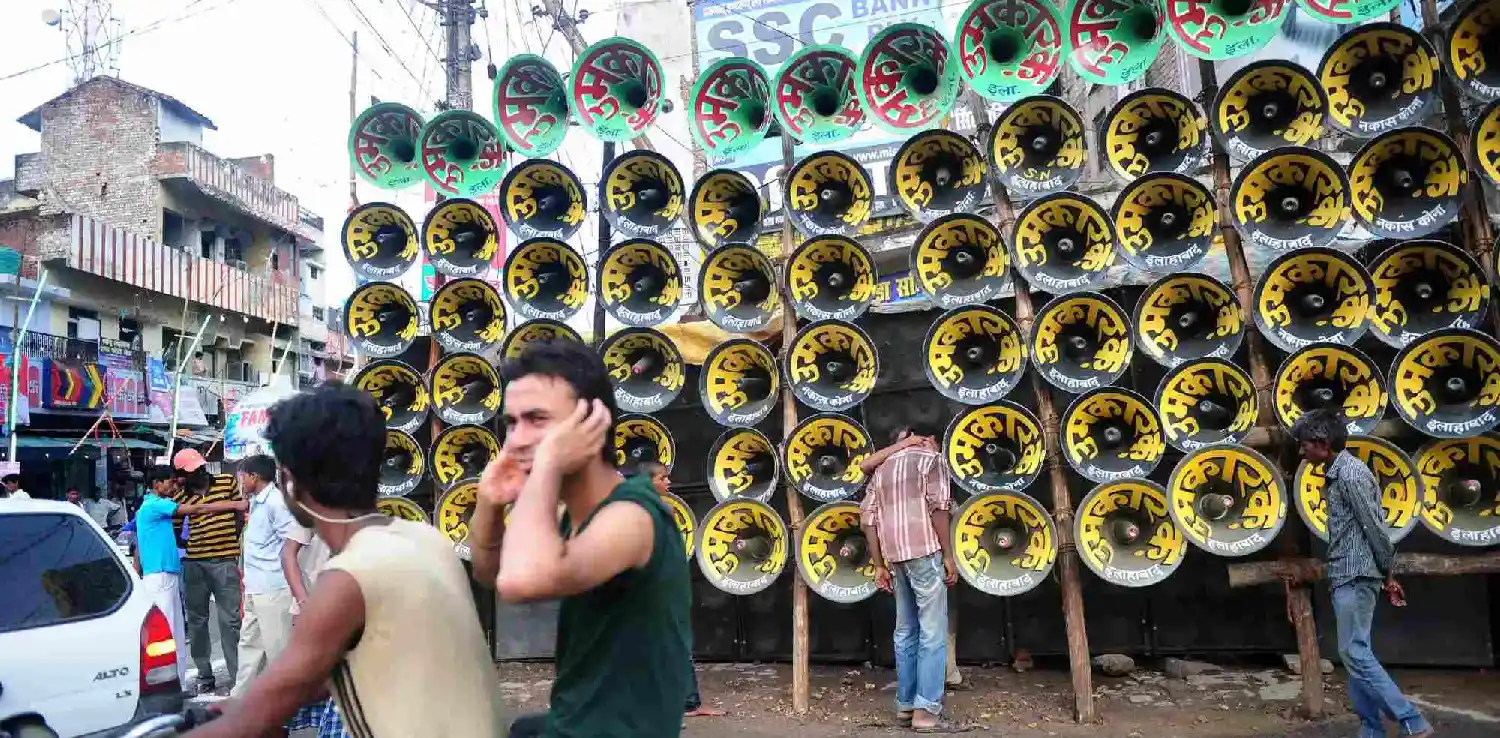
Raising awareness about how harmful noise pollution can be is one of the ways to help solve the problem. For example, unnecessary honking has been a concern for people in India. So, Mount Carmel College students launched the “#100KmsNoHonkingChallenge” campaign to hush vehicular noise.
Beijing, China, has established specific and effective countermeasures. Buildings close to the roads are instructed to use sound-insulating windows. The extensive automated sound monitoring network analyzes the collected data with relevant information that supports traffic noise supervision. Additionally, road regulations and noise barriers have successfully kept the noise level stable despite increasing the number of vehicles.
Other cities around the world also implement their own efforts to limit noise pollution, such as Egypt’s noise monitoring stations, Paris’s noise radars and fine mechanism, and London’s Ultra-Low Emission Zone. In short, urban planners must embrace the challenge head-on.
Efforts to reduce noise in cities involve mitigating its effects, addressing noise sources, and implementing effective regulations. By prioritizing initiatives to create quieter and more livable urban environments, cities can foster a built environment that benefits the wellbeing of all residents, humans and animals alike.
 Agrihoods: Integrating Farms and Urban Neighborhoods into Sustainable Communities
  Women in Waste Management: Asia’s Circularity Runs on Women. Its Policies Still Don’t
  Embracing the Business Value of Sustainability
  American Farmers Call for Government Support Amidst PFAS Contamination
  Asia Pacific’s SDG Progress Faces Major Setbacks
  Exploring the Bidirectional Relationship Between Olympic Games and the Environment