

Evaluating Carbon Capture and Storage (CCS) as an Option to Accelerate Net-Zero Targets
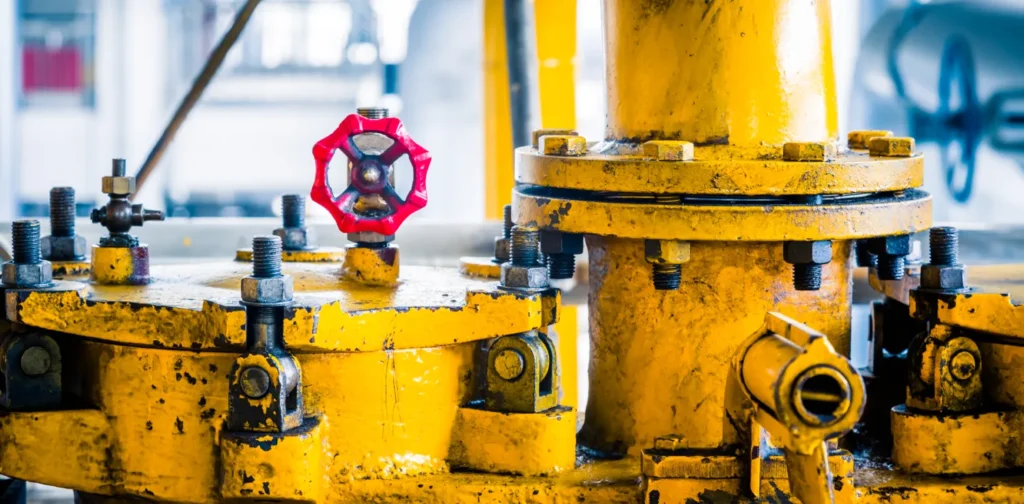
Photo: fanjianhua on Freepik
With fossil fuels and hard-to-abate industries like cement and steel still rampant, carbon emissions are inevitable. However, there is only so little time before the planet must achieve net-zero. One of the most recent technologies to bridge this gap is carbon capture and storage (CCS). That said, progress on CCS development globally has been reportedly slow.
Still far from the target
According to the IEA, the current holding capacity of global CCS facilities is 50.5 million tonnes (Mt) CO2 per year. Reported operational CCS facilities now amount to 45 facilities, with more than half of them from North America only. CCS projects are particularly popular in the LNG (Liquified Natural Gas) sector. Per 2023, two-thirds of the annual capture capacity comes from LNG companies alone.
Currently, there are at least 700 projects in the pipeline, leading to a total of 435 Mt of CO2 capture capacity per year and 615 Mt of CO2 storage capacity per year by 2030. CO2 capture capacity represents the amount of CO2 emissions that can be captured by a specific technology (e.g., pre-combustion, post-combustion), whereas CO2 storage capacity represents the amount of CO2 that can be stored, typically in a deep geological formation.
In 2023, 23 participants from the Carbon Management Challenge (CMC) have declared that they will capture and store a global target of 1 Gt of CO2 annually. These countries include the EU, the United States, Saudi Arabia, Japan, and Indonesia. With the pace we are going, the world would still be behind by 565 Mt or more than half of the targeted capacity by 2030.
Various Risks of CCS
One of the main reasons why CCS projects are hard to deploy is because of their risks, financially and operationally. CCS projects are known for their high cost. The process of “capturing” CO2 emissions requires significant resources, specialized equipment, and infrastructure such as pipelines and storage facilities.
Another issue is the potential for CO2 leakage. Captured CO2 is usually stored in geological formations like deep saline formations and depleted oil and gas reservoirs. The IEA reported that we have the potential to store between 8,000 and 55,000 Gt CO2 globally. However, there is a lack of confidence in how CO2 can be safely stored for extended periods of time.
Finally, a robust and established global regulatory framework is not present. According to the Global CCS Institute, North America and the EU have among the most mature regulatory frameworks for CCS. In contrast, the regulatory frameworks in Asia and Australia can be improved to stimulate more CCS deployment. With risks that include large capital expenditures and negative public perception, it is natural for gas and hard-to-abate industries to be reluctant in developing CCS where they operate.
Ways forward
Governments have the power to drive CCS deployment through robust policies and legal frameworks. Incentives, subsidies, and simplifying the permitting process are among the solutions the government could provide for industries to soften the financial burden.
Industries, especially key players, also have the power to demonstrate good business practices through CCS for other companies to follow. Industries can contribute by initiating and supporting continued research to improve the efficiency and cost-effectiveness of CCS technologies. For example, they can do so by developing better pipelines to minimize CO2 leaks, researching other geological formations secure for CO2 storage, and utilizing captured and stored carbon (CCUS; short for “carbon capture, utilization, and storage”) to produce hydrogen and concrete alternatives.
A multi-stakeholder effort is also important to promote public awareness. Global CCS Institute suggested that project proponents and operators proactively engage with communities to minimize public resistance. Proper project dissemination, understanding the communities, and collecting grievances can help. Governments and civil society organizations can also be included in these efforts to smoothen the process.
CCS as one among many solutions
It is important to view CCS not as a cure-all balm but as an opportunity. There are other technologies intended for decarbonization that are more cost-efficient and less risky, such as renewable energy and EVs. However, CCS may be the way forward for some industries. As long as alternatives to oil and gas, cement, or steel are not available and scalable, these hard-to-abate industries may stay longer than intended. In the end, key actors and stakeholders should not lose sight of what is most important: creating a better environment and minimizing harm for people and the planet.
 Unpacking SBTi’s Corporate Net-Zero Standard V2.0: Balancing Science and Business Realities
  Farmer Loneliness, the Overlooked Mental Health Crisis Within the Food System
  Conservation Paradox: Managing the Overabundance of Endangered Koalas in South Australia
  Green Burnout: Sustainability Workers and Climate Activists Are Quietly Falling Apart
  The Warning Signals of Climate Change
  How Land Use and Climate Change Shape the Increasingly Precarious Balance of Global Deadwood Stocks