

Mainstreaming Impact Investing for Sustainable Development

Photo by Rawpixel.com on Pxhere
With the Earth heating up and the consequences of it affecting all of us, businesses and investors must look to sustainability principles. Traditionally, investments focus solely on monetary gain, often causing harm and exploitation of the environment. However, there is an alternative: impact investing. This approach not only generates profit but also allows investors to contribute to positive change for a sustainable future.
Investment and the Environmental Cost
Investing is like planting seeds with the hope that they will grow into something more valuable over time. In finance, the main goal is money. While this can be advantageous for businesses seeking expansion and investors aiming for long-term profits, it is not always beneficial for the environment.
Behind the commendable practice of expanding businesses and driving the economy, investments are a double-edged sword. Investments, including foreign direct investment (FDI), are known to have contributed to environmental damage such as deforestation, greenhouse gas emissions, and loss of biodiversity. The Pollution Haven Hypothesis, introduced in 1994, suggests that FDI in developing countries often leads to more pollution due to ‘dirty’ production practices and lack of environmental regulations.
On the other hand, business expansion often leads to higher production, giving way to more emissions. Besides harming the planet, this can surprisingly hinder the business’s growth. Industries known for their high carbon emissions face tougher environmental rules and conflicts with regulators, potentially discouraging corporate investment. Essentially, the process of expanding operations to boost output and profits can unintentionally create barriers to business growth due to environmental constraints and regulatory pressures on carbon-intensive industries.
Impact Investing
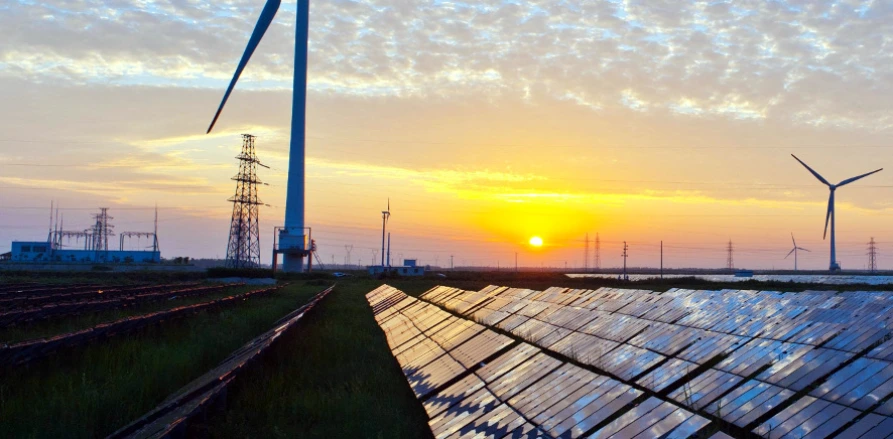
Another investment strategy worth considering is impact investing. This investment places a primary emphasis on both income generation and the achievement of societal or environmental objectives. The intention is to support the growth of industries that contribute to positive environmental or societal outcomes, all while generating profits.
Impact investment might be in the form of providing small loans to small businesses with no access to traditional banking, affordable housing, education technology, or sustainable agriculture. And as the world is marching to achieve carbon neutrality by 2050, the urgency for this type of investment grows. Hence, the investment in clean energy and electric vehicles is increasing.
The impact investing market has grown significantly over the past 15 years, starting at $25 billion in assets under management (AUM) in 2013 and reaching about $502 billion AUM in 2019. In 2023, it was estimated to be around $3 trillion and expected to keep growing to $7.78 trillion by 2033.
Impact investing offers a compelling alternative to traditional profit only decision of investment. It supports industries that promote positive change, providing profits for investors while contributing to a sustainable future. With the global push for carbon neutrality, the significance and market rate of such investments is becoming more apparent. As investment in clean energy and other eco-friendly sectors rises, impact investing becomes crucial in driving innovation and moving towards a sustainable future.
Challenges and Opportunities
However, impact investing in developing countries often faces challenges such as weak governance, corruption, and limited transparency business practices. To succeed, a strong legal framework and stable business conditions are needed.
Furthermore, hurdles such as greenwashing and impact-washing need to be addressed within the sector. The lack of standardized impact measurement methodologies makes it difficult for investors to identify and support investments aligned with their impact goals. Investors must ensure that their investments genuinely contribute to positive social and environmental outcomes.
All in all, impact investments hold the opportunity of making a difference in financing climate action and advancing the Sustainable Development Goals (SDGs). By embracing impact investing and promoting cooperation across different sectors, businesses and investors can play a crucial role in building a fairer and more sustainable future for everyone.
Editor: Nazalea Kusuma
 The Warning Signals of Climate Change
  How Land Use and Climate Change Shape the Increasingly Precarious Balance of Global Deadwood Stocks
  The Injustice of Climate Finance: How Climate Change Is Draining Developing Nations
  The Need for One Health in Conservation
  Opportunities and Challenges in Implementing Biodiversity Credits for Biodiversity Financing in Indonesia
  How Climate Change Is Redrawing The Food Map