

Mainstreaming Low-Emission Rice Farms in the Mekong Delta
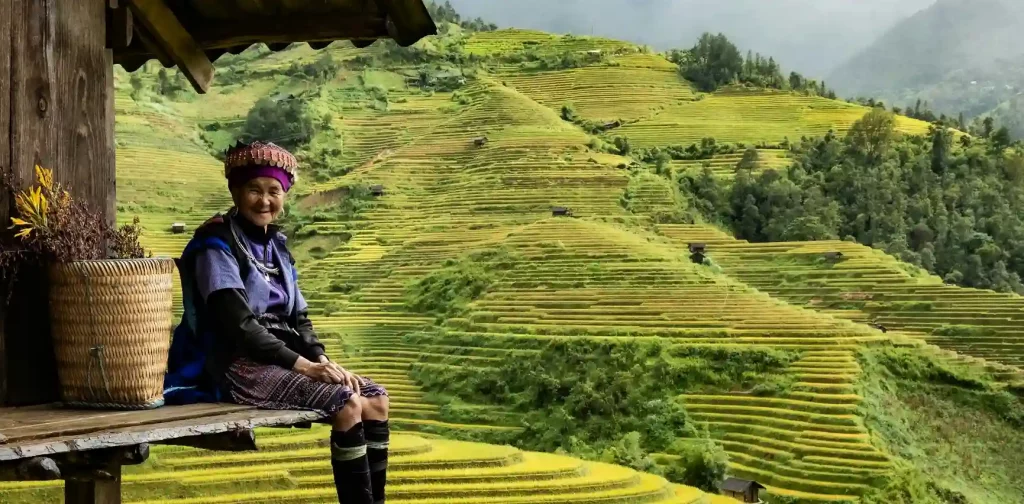
Photo: Hai Tran on Unsplash
Rice is a staple food in most of Southeast Asia. Due to massive population growth, food security and sustainability have become a two-in-one concern. In light of this, Vietnam has launched a program for one million hectares of high-quality, low-emission rice farms to support sustainable agriculture in the Mekong Delta.
Rice Farming and Climate Change
Vietnam is the world’s fifth-largest producer and third-largest exporter of rice. In 2023, Vietnam’s rice production was estimated to be around 43.5 million metric tons. The country is a major supplier of rice in Southeast Asia.
Rice agriculture, however, contributes to and is highly affected by climate change at the same time. Rice production is responsible for roughly 25% of Southeast Asia methane emissions, a more potent heat trap than carbon dioxide.
Furthermore, rice is a water-intensive crop, needing 3,000 to 5,000 liters of water to produce just 1 kg. This makes rice farming vulnerable to climate change, especially when it relies on rainfall. Droughts and rising temperatures pose significant risks to rice production.
Low-Emission Rice Farms in the Mekong Delta
Towards the end of 2023, Vietnam launched a program called “One Million Hectares Sustainable Development Project for High-Quality and Low-Emission Rice Cultivation in the Mekong Delta 2030”. The program aims to boost rural development, reduce production costs and emissions, and bolster the agricultural sector’s resilience to environmental challenges.
The project outlines specific targets, which are:
- Reducing the amount of rice seeds sown to less than 70 kg per hectare
- Minimizing chemical fertilizers and pesticides by 30%
- Cutting irrigation water usage by 20% compared to traditional methods
Additionally, farmers are required to adopt at least one sustainable farming method. The options include sustainable rice platform (SRP), alternate wetting and drying (AWD), and other standardized agricultural practices.
The program has two phases. Phase 1 (2024-2025) consolidates existing areas with training, planning, and implementing measurement systems. It tests carbon credits and prepares for the future. Then, phase 2 (2026-2030) focuses on reducing emissions and expanding. It involves investing in infrastructure, reorganizing production, building resilient value chains, and refining measurements for ongoing sustainability.
Food Diversification and Low-Emission Farming
Proactive measures by governments remained critical in creating sustainable agricultural systems while ensuring food security in the Greater Mekong and beyond. Given the urgent need to address food insecurity and climate change, it is vital to move away from unsustainable rice farming practices. Governments can facilitate the transformation toward a more sustainable agriculture by providing training, programs, investments, and supportive policies for small-holder farmers and other industry players.
Additionally, championing food diversification with alternatives to rice as a staple food should also be a priority. Combined with low-emission, water-efficient, and resilient farming methods, nations can ensure a sustainable agricultural future for generations to come.
Editor: Nazalea Kusuma
 Impacts of E-waste Pollution on Animals and Human Health
  Africa’s Solar Energy Surge: Why 2025 Was a Breakthrough Year
  Agrihoods: Integrating Farms and Urban Neighborhoods into Sustainable Communities
  Women in Waste Management: Asia’s Circularity Runs on Women. Its Policies Still Don’t
  Embracing the Business Value of Sustainability
  American Farmers Call for Government Support Amidst PFAS Contamination