

The Global Ecosystems Atlas for Harmonized Biodiversity Data Mapping
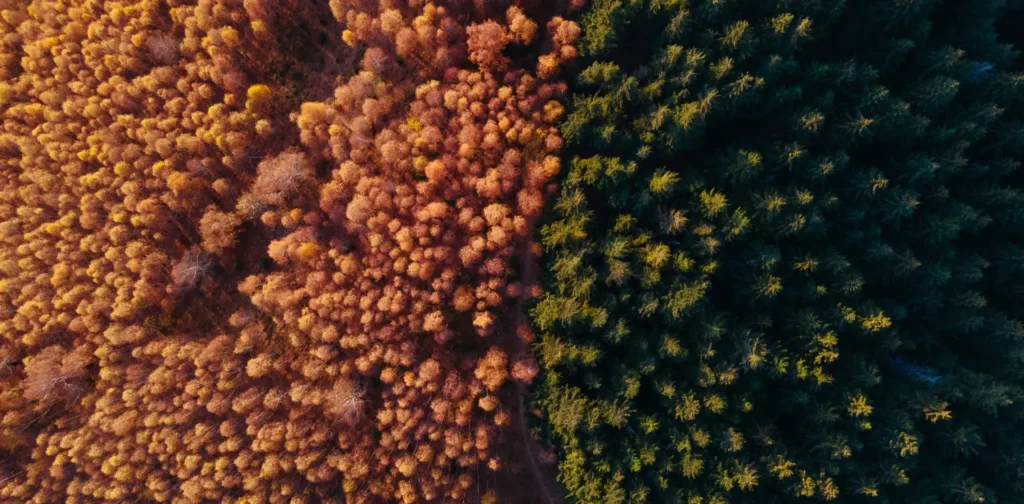
Photo: Andrei Mike on Unsplash.
By now, we have heard and witnessed how the natural environment has crumbled under the pressure of overexploitation and climate crisis. Multiple strategies at different scales are being implemented to prevent further degradation, yet segmented and non-comprehensive data often hinders effective actions. At COP16, the Group on Earth Observations (GEO) launched the first stages of the Global Ecosystems Atlas, which is dedicated to biodiversity and ecosystem data mapping and monitoring.
The Loss of Our Biodiversity and Ecosystems
From agriculture to medicine, humans depend on biodiversity and ecosystems to live. This dependency, unfortunately, does not often come with the same level of effort to protect and preserve the natural environment, leading to biodiversity loss and ecosystem destruction.
Multiple strategies have emerged to respond to this crisis, from the Sustainable Development Goals to the Kunming-Montreal Global Biodiversity Framework. National governments and local communities have also implemented biodiversity conservation and preservation mechanisms, especially for the native species of their countries. However, the lack of harmonized and comprehensive data often makes it difficult to grasp the real conditions of biodiversity and ecosystems on the ground.
The Global Ecosystems Atlas
At the 2024 United Nations Biodiversity Conference (COP16), the Group on Earth Observations (GEO) unveiled the proof-of-concept of the Global Ecosystems Atlas. It is a mapping and monitoring tool that can provide the visualization of the world’s ecosystems, developed by combining existing and new ecosystem maps to fill data gaps. The Atlas offers scientifically validated data that aligns with the IUCN Global Ecosystem Typology.
Better and aligned data on biodiversity and ecosystems can lead to more strategic interventions. In South Africa’s and Mozambique’s cases, for instance, each has made progress in mapping their biodiversity and ecosystems. By using the Global Ecosystems Altas, both countries can discover similarities and connections between their ecosystems despite their distinct characteristics, and learn from each other.
Moreover, the Atlas also reveals the mapping gap between countries, hence promoting collective effort to improve data accuracy and harmonization beyond the national level.
“The escalating triple crisis of climate change, biodiversity loss, and land degradation require immediate and effective action. To ensure that the right action is taken in the right location requires better data on the extent and condition of ecosystems,” said Astrid Schomaker, Executive Secretary of the Secretariat of the Convention on Biological Diversity.
Data Harmonization for Collaboration
Without actions to halt and reverse biodiversity and ecosystem loss, the consequences will be far-reaching; we might even have experienced the beginning of it now. Therefore, effective and immediate actions are crucial to prevent further damage.
The Global Ecosystems Atlas aims to enable key stakeholders, including governments, businesses, and civil society, to make informed decisions supporting ecosystem sustainability and managing possible risks from human activities. Collaboration across sectors and countries through data harmonization can help improve and scale existing initiatives to be more strategic for all.
Editor: Nazalea Kusuma

Kresentia Madina
Madina is the Assistant Manager of Stakeholder Engagement at Green Network Asia. She holds a bachelor’s degree in English Studies from Universitas Indonesia. As part of the GNA In-House Team, she supports the organization's multi-stakeholder engagement across international organizations, governments, businesses, civil society, and grassroots communities through digital publications, events, capacity building, and research.
 The Invisible Infrastructure: What ASEAN’s Carbon Market Needs Most
  Indonesia Ruled to Recognize Chronic Illness as a Disability
  Clean Cooking as a Developmental Multiplier in Africa
  Congo Basin Peatlands Are Releasing Ancient Carbon
  From Anxiety to Action: How Youth Climate Activism Is Evolving
 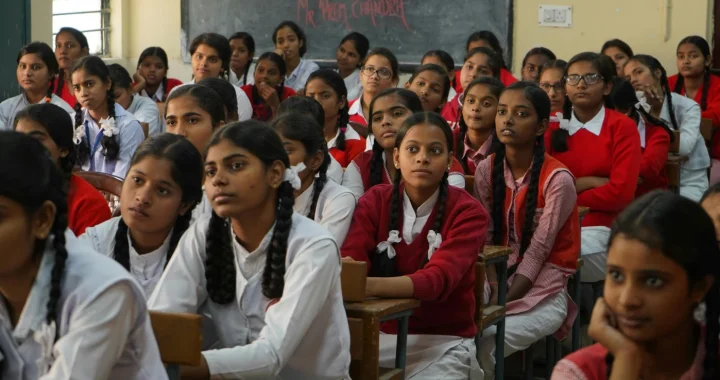 India’s Supreme Court Declared Menstrual Health and Hygiene as Fundamental Rights