

The State of Global Waste
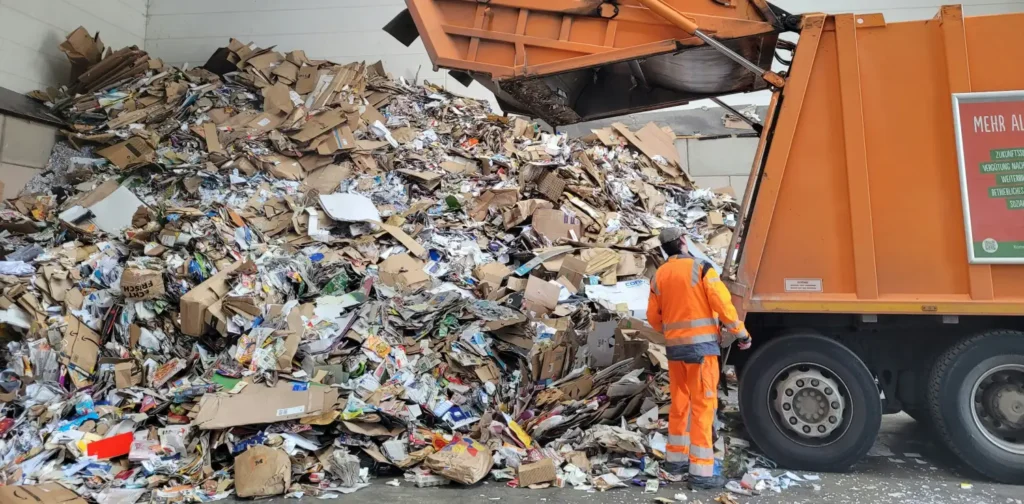
Photo by Nathan Cimai on Unsplash
Combating the triple planetary crisis of climate change, biodiversity loss, and pollution and waste is vital as the foundation of a sustainable planet. Unfortunately, population growth and irresponsible production exacerbate waste issues, contributing to the crisis. In a new report, UNEP reveals the impact of global waste and recommended critical steps to be taken.
Increased Waste, Increased Crisis
Waste is a significant component of the triple planetary crisis. As resource consumption increases, so does waste generation. Over 2 billion tons of municipal solid waste are generated each year, and it is estimated that at least one-third of this waste is not processed in an environmentally friendly manner.
Some end up in landfills or are often openly burned, resulting in air pollution that poses a health risk to surrounding communities. Additionally, solid waste can impact biodiversity by contaminating waterways and disturbing ecosystems.
Global Waste Management Outlook 2024
A report from the United Nations Environment Programme (UNEP) and the International Solid Waste Association (ISWA) reveals that waste generation and improper treatment of waste are growing every year.
According to the report, population growth and increased residential consumption are driving the rise in municipal solid waste (MSW). MSW is generated from household activities, retailers, small businesses, public service providers, and other similar sources.
Between 2020 and 2050, the report predicts that MSW will increase from 2.1 billion tons to 3.8 billion tons yearly. In the scenarios projected, most of this waste will not be processed, with far less than 1 billion tons being recycled or converted into energy during the same period.
Additionally, massive growth in waste production is expected in rapidly developing countries. Unless urgent action is taken, projections show that Southeast Asia and East Asia will experience the highest waste production growth among regions, increasing from 600 billion tons per year in 2020 to over 1 billion tons per year by 2050.
The report also details the financial impact of waste, with nearly $500 billion was spent on MSW management in 2020. On the other hand, the report states that proper recycling can save up to $135 billion per year.
Joint Commitment Needed
There is no one-size-fits-all approach to waste management policies as every region varies in social, economic, and environmental context. However, the key is for each stakeholder to play their own role.
National and municipal governments should prioritize waste reduction and support resource efficiency. Digitalization and data, applying principles of just transition in decision-making, and developing national expertise tailored to the specific context of each region are crucial to ensure the most suitable waste management.
Furthermore, producers and retailers should carry their responsibilities by transitioning into circular business models. Consumers, too, can contribute by wisely choosing more sustainable options in the market, creating demand for sustainable products and services to support individual behavioral changes that help achieve a zero waste world.
Read the full report here.
Editor: Nazalea Kusuma
Co-create positive impact for people and the planet.
Amidst today’s increasingly complex global challenges, equipping yourself, team, and communities with interdisciplinary and cross-sectoral insights on sustainability-related issues and sustainable development is no longer optional — it is a strategic necessity to stay ahead and stay relevant.

Dinda Rahmania
Dinda Rahmania is an Assistant of International Partnerships at Green Network Asia. She holds a bachelor’s degree in International Relations from President University. As part of the GNA In-House Team, she supports the organization’s partnerships with international organizations, governments, businesses, and civil society worldwide through digital publications, events, capacity building, and research.
 The Hidden Gender and Equity Gaps in Public Toilets
  The Truth Behind Space Debris and the Urgency for Space Governance and Accountability
  Non-Economic Loss and Damage: Making sense of our intangible loss in a changing climate
  Unpacking SBTi’s Corporate Net-Zero Standard V2.0: Balancing Science and Business Realities
  Farmer Loneliness, the Overlooked Mental Health Crisis Within the Food System
  Conservation Paradox: Managing the Overabundance of Endangered Koalas in South Australia