

Three Decades of Progress for Girls’ Health
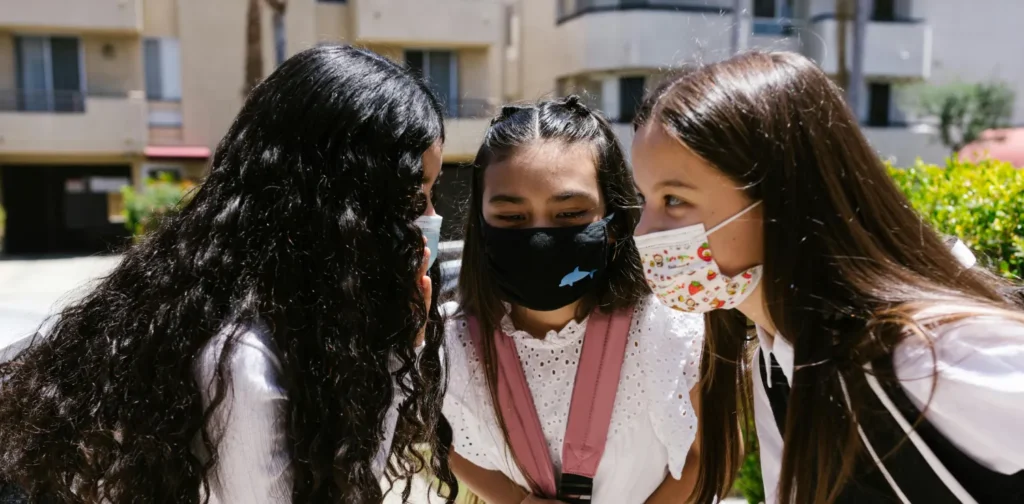
Photo: RDNE Stock Project on Pexels
Girls hold immense potential to shape their own and the world’s future. Supporting their key developmental aspects is essential to unlocking this potential, yet girls’ health still stands at a fragile crossroads. While the past decades have brought some progress, many adolescent girls continue to face serious health challenges. A UNICEF report takes a closer look at how far we have come in supporting girls’ health and how far we still need to go.
Girl Goals Report: Girls’ Health Progress and More
Adolescence is a critical time for girls, shaping their bodies, minds, and futures. Unfortunately, many girls around the world are at risk of child marriage, gender-based violence, being pushed out of school, and other issues. For instance, 122 million girls are out of school today, and those aged 15–19 face a higher risk of being excluded from education or jobs than boys. These barriers limit their chances to grow, thrive, and make their own choices.
Health is another area of deep concern. Each year, around 21 million girls aged 15–19 in low- and middle-income countries become pregnant, with over half of these pregnancies ending in unsafe abortions that endanger their lives. These facts remind us that girls’ health is not an isolated issue—it is tied to education, safety, and opportunity.
To reflect on the past and plan for the future, UNICEF released a new report titled Girl Goals: What Has Changed for Girls? The report looks back on 30 years of progress across areas like education, safety, hygiene, and health.
Progress and Barriers
The Girl Goals report shows that after three decades, the health gap for adolescent girls in low-income countries remains unchanged. A 15-year-old girl in a low-income country today is expected to live for 72.3 years, which is 12 years shorter than her peers in high-income countries and 8.1 years shorter than girls in high-income countries 30 years ago.
Health and life expectancy are closely linked to disease prevention, especially through vaccines. A major step forward is the rise in HPV vaccine coverage. It rose from 3% in 2010 to 20% in 2023. Yet, in regions like South Asia, the Middle East, and North Africa, the coverage is still very low, at just 1–2%.
Similarly, HIV prevention has also seen progress. Since 1995, adolescent HIV infections have dropped by 68%, from 305,000 to 96,000 cases globally. However, girls remain more at risk than boys. In sub-Saharan Africa, for example, nearly six times more girls than boys were newly infected in 2023.
Finally, a major part of girls’ health is nutrition, essential to their growth and wellbeing. The global rate of underweight girls fell slightly from 10% in 1995 to 8% in 2022, with South Asia showing the biggest drop but still the highest rate. Meanwhile, the number of overweight girls has doubled to 16%, with Latin America seeing the sharpest rise. These shifts show the growing need for responsive, inclusive health systems that address the changing landscape of health and nutrition challenges.
For Girls’ Rights
Essentially, the past thirty years have shown real progress in improving girls’ rights across various aspects, including education, safety, economy, access to clean water and sanitation, and health. After all, girls’ rights are a vital part of gender equality and women empowerment.
Still, there is a lot of work to do for meaningful, inclusive progress toward protecting girls’ rights. The Girl Goals report offer some key recommendations:
- Provide clear and practical support for adolescent girls to speak up, advocate, and take action.
- Set clear goals for change specifically for adolescent girls, who are often overlooked and ignored.
- Invest wisely in resources to unlock the social and economic benefits for adolescent girls.
Read the full report here.
Editor: Nazalea Kusuma

Dinda Rahmania
Dinda is an Assistant of International Partnerships at Green Network Asia. She holds a bachelor’s degree in International Relations from President University. As part of the GNA In-House Team, she supports the organization’s partnerships with international organizations, governments, businesses, and civil society worldwide through digital publications, events, capacity building, and research.
 Congo Basin Peatlands Are Releasing Ancient Carbon
  From Anxiety to Action: How Youth Climate Activism Is Evolving
  India’s Supreme Court Declared Menstrual Health and Hygiene as Fundamental Rights
  Impacts of E-waste Pollution on Animals and Human Health
  Africa’s Solar Energy Surge: Why 2025 Was a Breakthrough Year
  Agrihoods: Integrating Farms and Urban Neighborhoods into Sustainable Communities