

UK Plans to Streamline Environmental Regulations to Boost Economic Growth and Nature Protection
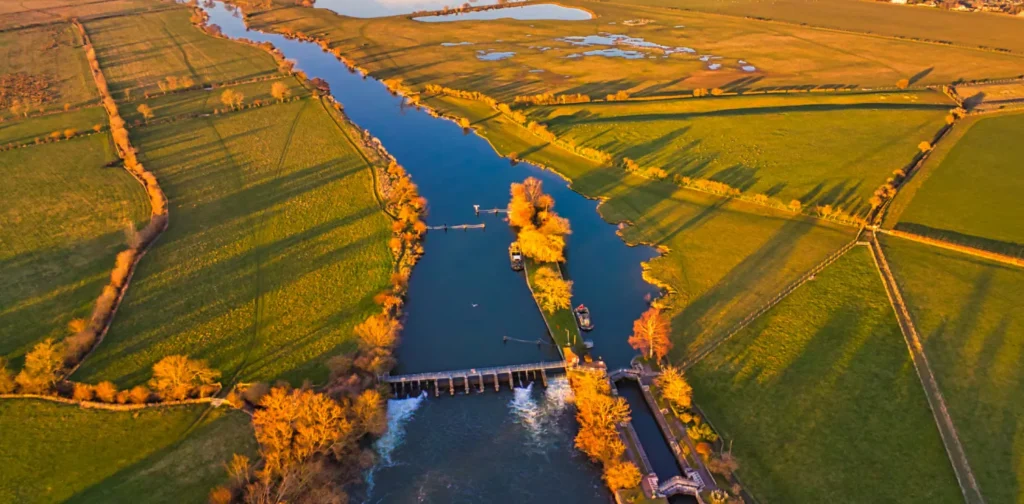
Photo: Lawrence Hookham on Unsplash.
Economic growth should not come at the expense of biodiversity loss and environmental degradation. Regulations play a key role in ensuring a proper balance between those aspects. In April 2025, the UK government announced a plan to reform environmental regulations to streamline implementation and boost economic growth. What does this reform entail?
Cutting Red Tape
The UK’s Environmental Secretary Steve Reed announced the plan for environmental regulations reform to cut bureaucracy, streamline regulations, and drive economic growth. This plan was announced on 2 April 2025, building on the outcome of an internal review of the UK’s Department for Environment, Food & Rural Affairs (Defra).
The review found the current environmental regulations to be outdated and overly complex. Organizations, developers, and farmers must also navigate and comply with more than 3,500 regulations that often have overlapping regulators. This creates administrative and financial burdens that can stunt the growth of many aspects and sectors. In short, the current system has not yielded the desired progress in environmental protection and economic growth.
Streamlining Environmental Regulations
“This review clearly shows that simply scrapping regulations isn’t the answer–instead, we need modern, streamlined regulation that is easier for everyone to use,” said Dan Corry, an economist who led the Defra internal review progress. The review makes 29 recommendations for environmental regulation reform, nine of which are fast-tracked due to their potentially significant economic and environmental impacts.
One of the priority recommendations is to establish a single lead regulator for major infrastructure projects. This aims to eliminate the roundabout way of seeking approval from multiple authorities who often have conflicted opinions, and eventually save people’s time and resources.
Furthermore, the recommendations also seek to conduct a rapid review of the existing compliance guidance catalog to remove duplication, ambiguity, or inconsistency when necessary. This also includes streamlining environmental permits based on evidence and risks on the ground. Ultimately, Corry states that this reform is hoped to “deliver a win-win for both nature and economic growth in the longer run.”
Ensuring Balance
In 2024, the UK Prime Minister Keir Starmer presented the Plan for Change to set out milestones the current parliament aims to achieve. One of them is to build 1.5 million homes in England and fast-track major economic infrastructure projects planning decisions.
The environmental regulation reform is hoped to support this mission while supporting nature recovery at scale. According to the Office fro Environmental Protection, the UK government is largely off-track to meet its environmental goals. However, several nature groups expressed concerns that the reform would prioritize infrastructure development over environmental protection. Strong political will and tangible implementation of frameworks like the Biodiversity Net Gain are critical to ensure balance.
“However, any changes must prioritise nature, ensuring that protected areas are shielded from harmful development that could cause irreversible damage. Reassurances alone are not enough,” said Beccy Speight, the CEO of the Royal Society for the Protection of Birds, to the Guardian.

Kresentia Madina
Madina is the Assistant Manager of Stakeholder Engagement at Green Network Asia. She holds a bachelor’s degree in English Studies from Universitas Indonesia. As part of the GNA In-House Team, she supports the organization's multi-stakeholder engagement across international organizations, governments, businesses, civil society, and grassroots communities through digital publications, events, capacity building, and research.
 Non-Economic Loss and Damage: Making sense of our intangible loss in a changing climate
  Unpacking SBTi’s Corporate Net-Zero Standard V2.0: Balancing Science and Business Realities
  Farmer Loneliness, the Overlooked Mental Health Crisis Within the Food System
  Conservation Paradox: Managing the Overabundance of Endangered Koalas in South Australia
  Green Burnout: Sustainability Workers and Climate Activists Are Quietly Falling Apart
  The Warning Signals of Climate Change