

Unveiling Gaps and Opportunities in Businesses Circularity Reports

Photo by Freepik
With the global climate crisis looming, businesses must adopt eco-friendly practices to minimize environmental damage. Therefore, they need clear guidelines for targeting and tracking their progress on circular reporting. A report by the World Business Council on Sustainable Development (WBCSD) showcases the current landscape of corporate circularity reports, performance, accountability, and related policies.
Analysis of Circularity Accountability and Regulations
Historically, business practices have harmed the environment through excessive waste and resource exploitation, leading to resource depletion and environmental degradation. Recently, however, many businesses have started to recognize the long-term impacts of these damaging practices. They are now shifting towards a focus on circularity, which emphasizes reusing, recycling, and reducing waste to ensure that materials are utilized for as long as possible. This shift aims to improve circularity performance and minimize environmental impact.
To assist businesses in doing so, a new report from the World Business Council for Sustainable Development (WBCSD) analyzes current practices, policies, and regulations related to corporate accountability and performance in circularity and identifies existing gaps and opportunities.
Furthermore, the report contributes to the creation of the Global Circularity Protocol, a new framework set to launch in 2026. The protocol will help companies report, measure, and track their progress toward a regenerative economy.
Ensuring Environmental and Social Indicators in Circularity Reports
The report reveals that current standards for circularity reports have gaps, such as limited metrics for environmental impacts like GHG emissions, biodiversity, and water usage. There is also a lack of focus on social impacts.
For example, GHG reporting is increasingly covered in standards, but it is limited to measurements with a narrow scope, such as the Circular Transition Indicators. Additionally, while circular and regenerative practices can reverse the damage caused by resource extraction, guidance and indicators are often limited because they are part of non-circularity-specific frameworks.
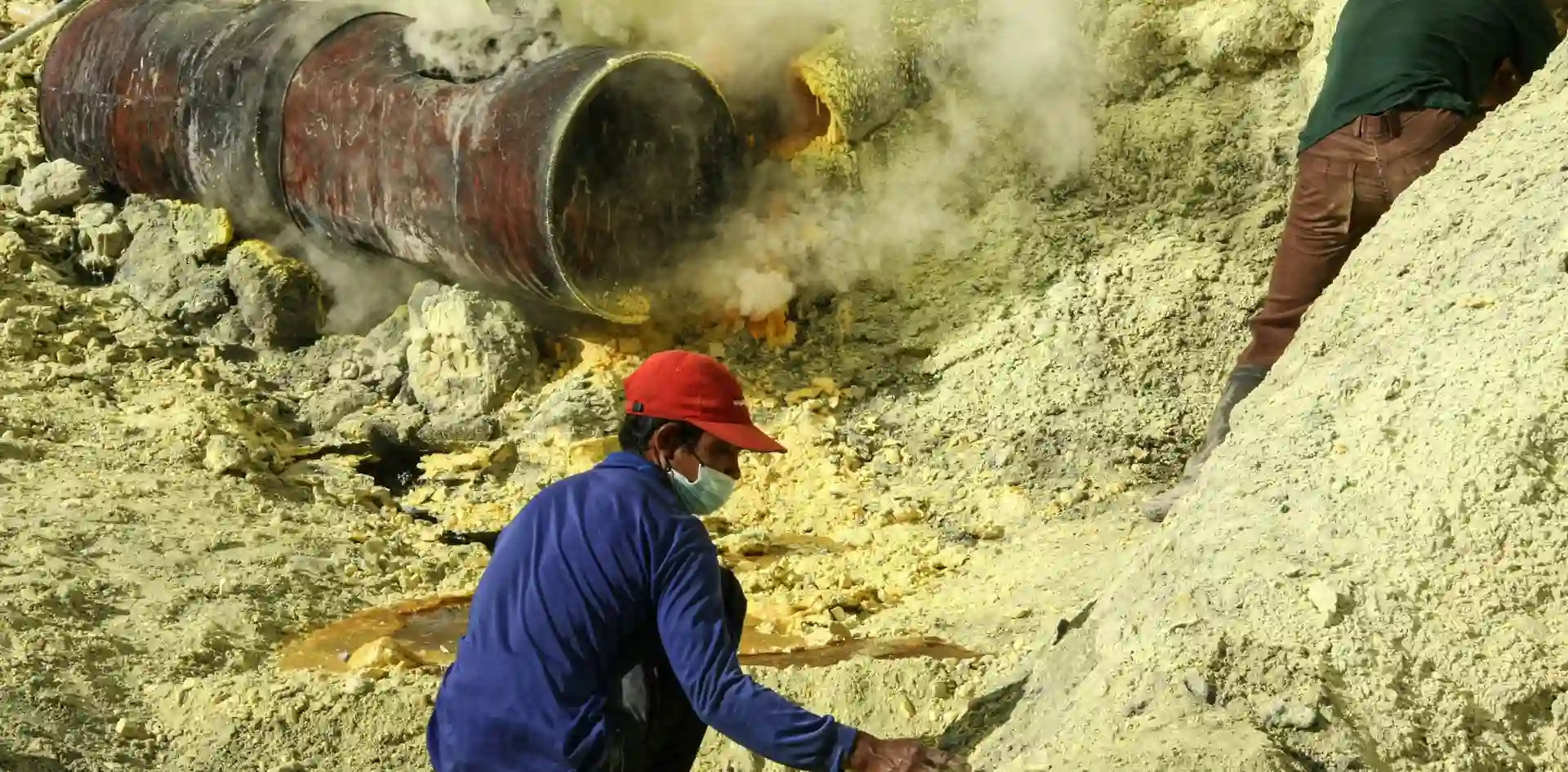
Furthermore, the report emphasized that circular transition must be fair and must consider its impact on different regions and workers, especially in the Global South, where it can worsen conditions and increase unpaid labor. Informal workers face challenges like low wages and job insecurity, but these social impacts are often overlooked in current standards.
Therefore, the upcoming Global Circularity Protocol will be developed to ensure clear indicators and measurements for both environmental and social impacts, while also recognizing regional differences and maintaining global consistency in metrics.
Key Drivers and Financial Support for Transition
To accelerate the transition to a circular economy, companies need key enablers, such as collaboration with stakeholders, digitalization, and strong leadership support. However, current standards mainly offer qualitative advice in these areas. The report highlights the need for clear, quantitative indicators and guidance to effectively support these enablers.
Furthermore, circular businesses face challenges in securing funding due to risk models designed for linear economies, which overlook long-term and external risks, making them appear riskier. Financial reporting also lacks standardized metrics for circularity, and the costs of non-financial disclosures limit voluntary reporting.
To address these issues, the report recommends developing tailored risk models, providing clear guidance for financial disclosures, and establishing standardized metrics for circular businesses, including valuing residual resources, adjusting financial ratios, and considering environmental and social impacts.
Refocusing Policy on Circularity
Governments are essential for advancing the circular economy. Key strategies include supporting innovation, fostering collaboration, and integrating circular principles into public procurement. Both strategic levers and ecosystem enablers must work together effectively.
To enhance the transition, we need standardized circular economy definitions and a shift from focusing solely on waste management to addressing the entire product lifecycle. Coordinating domestic policies with international trade agreements can improve overall effectiveness.
All in all, strong government-public-private collaboration is critical as we should integrate circular economy principles into broader sustainability and economic strategies to support climate, biodiversity, and resource management goals.
Read the full report here.
 Women in Waste Management: Asia’s Circularity Runs on Women. Its Policies Still Don’t
  Embracing the Business Value of Sustainability
  American Farmers Call for Government Support Amidst PFAS Contamination
  Asia Pacific’s SDG Progress Faces Major Setbacks
  Exploring the Bidirectional Relationship Between Olympic Games and the Environment
  The Hidden Threat of Tire Pollution to Salmon Populations