

The MIKE Programme: Monitoring Elephant Killings to Support Conservation of Asian Elephants
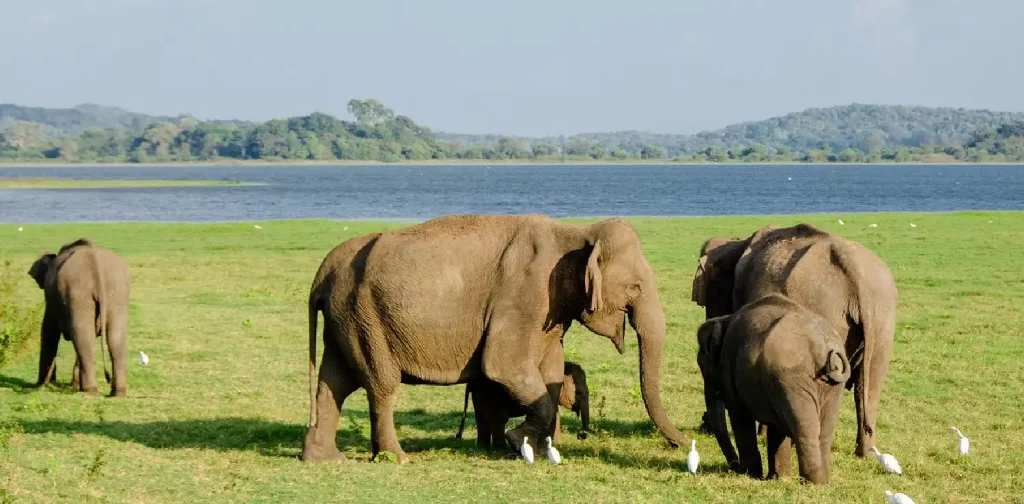
Photo: Penny Ash on Pixabay
Asian elephants have long been revered as cultural symbols. They also play a vital role in the ecosystem. Unfortunately, their population has been steadily declining, and Asian elephants have become endangered, based on the IUCN Red List. The MIKE Programme, Monitoring of the Illegal Killing of Elephants, aims to help tackle this issue.
Asian Elephants, Habitats, and Threats
The Asian elephant is the largest terrestrial mammal on the Asian continent. With an approximate total range area of 486,800 km, they can be found in Bangladesh, Bhutan, India, Nepal, Sri Lanka, Cambodia, China, Indonesia (Kalimantan and Sumatra), Lao PDR, Malaysia (Peninsular Malaysia and Sabah), Myanmar, Thailand, and Vietnam.
In their habitats of forests and grasslands, Asian elephants help maintain balance by dispersing seeds and preventing overgrowth as they eat. Their sizes also create pathways in dense forests as they travel, giving travel access to other wildlife.
The primary threats to Asian elephants are habitat loss and fragmentation, human-elephant conflict, and poaching and illegal trade of elephants. With these threats, the Asian Elephant population is assumed to have decreased by at least 50% over the last three generations.
The MIKE Programme
The MIKE Programme is a site-based system that monitors trends in the number of elephants killed illegally. It was established by the Convention on International Trade in Endangered Species of Wild Fauna and Flora (CITES). It is also supported by other organizations, such as the International Union for Conservation (IUCN) Asia, which provides support to the MIKE Programme in Indonesia, Lao PDR, Malaysia, Thailand, and Vietnam.
On January 30–31, 2024, Asian elephant range states and relevant organizations gathered in Hua Hin, Thailand, to share their progress on the implementation of the MIKE Programme. Over the last three years, the MIKE Programme and IUCN have been providing reliable data and information to assist range states in their Asian elephant conservation efforts. Data on the cause of elephant deaths could help shape understanding of the threats and determine the underlying reasons behind human-elephant conflicts.
Furthermore, the MIKE Programme also focuses on the capacity development of sites. It offers resources needed to support wildlife law enforcement, an evaluation tool to help sites understand the status of their wildlife enforcement efforts, pinpoint key areas where investments could be targeted, and monitor progress in strengthening wildlife law enforcement capacity.
More Resources Needed
Even though much work has been done, more resources are needed to protect Asian elephant populations that are in decline. The future of this species will depend on holding to account those responsible for the illegal killing, trade, and trafficking activities. Long-term funding that strikes a balance between preserving people’s livelihoods and the conservation of elephants is essential to ensure the healthy coexistence of humans and animals in the region.
Editor : Nazalea Kusuma

Nazalea Kusuma
Naz is the Manager of International Digital Publications at Green Network Asia. She is an experienced and passionate writer, editor, proofreader, translator, and creative designer with over a decade of portfolio. Her history of living in multiple areas across Southeast Asia and studying Urban and Regional Planning exposed her to diverse peoples and cultures, enriching her perspectives and sharpening her intersectionality mindset in her storytelling and advocacy on sustainability-related issues and sustainable development.

Prayul Sartika
Prayul Sartika is a Reporter at Green Network Asia. She graduated from Adi Buana University with a bachelor's degree in Biology.
 Beyond Fashion: The Environmental Cost Behind Animal Leather
  Addressing the Hidden Risk of Microplastics from Offshore Infrastructures
  Addressing Antimicrobial Resistance as More Than a Medical Issue
  Holding Harmful Industries Liable for Harm to Human Life and the Environment
  Clearing the Air of Despair Surrounding the Climate Crisis with Data
  How Do Wild Animals Survive Wildfires?