

Africa’s Regional Strategy to Prioritize Rehabilitation Services
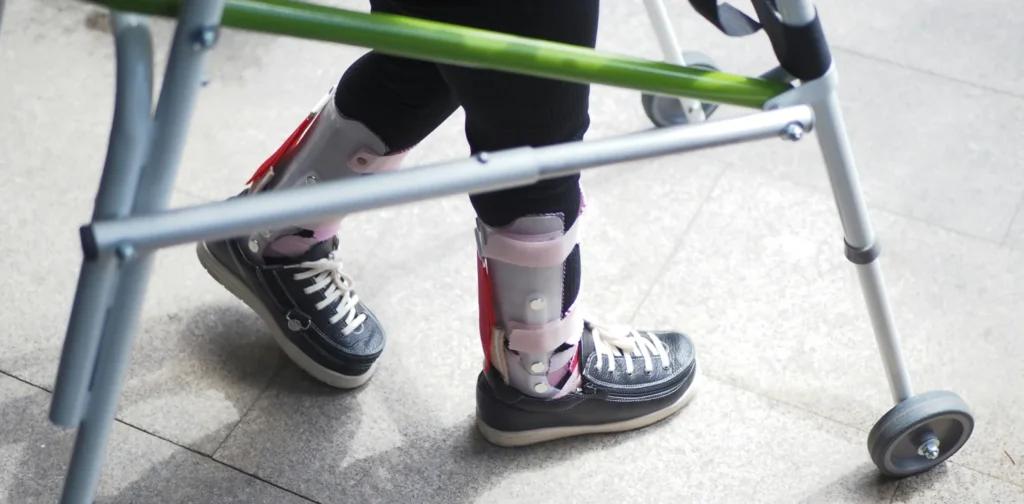
Photo: Towfiqu barbhuiya on Unsplash.
Many factors can influence our health, from the natural aging process to chronic health issues. In this case, rehabilitation services play a crucial role in supporting individuals with health conditions throughout their lifespan. In Africa, health ministers have adopted a regional strategy to integrate rehabilitation services into public health systems across the region.
Understanding Rehabilitation Services
The world’s population is ageing, with the number of people aged 60 and older projected to reach 1.4 billion by 2030. At the same time, multiple factors are exacerbating chronic health problems, from the climate crisis to air pollution. This necessitates a strong healthcare system to support people’s wellbeing across the life cycle.
In this context, rehabilitation services are essential in establishing a robust healthcare system. It provides interventions to improve human functioning and reduce disability in individuals with health conditions. Essentially, the services aim to help achieve the best possible outcomes for health interventions, such as surgery and trauma care. Some examples include physiotherapy to improve motor functions and speech and language therapy to enhance communication following a brain injury.
More than 210 million people in Africa require rehabilitation services. Yet, the majority of them still lack access to the required care. Existing services are often inadequate and have limited professional health workers and coverage, especially at the community level. WHO Africa also notes that the region shows the lowest density of the rehabilitation workforce worldwide, signifying the urgency to bridge this gap.
Africa’s Regional Strategy
In August 2025, African health ministers adopted the Regional Rehabilitation Strategy 2025–2035, prioritizing rehabilitation services in the region. The goal is that by 2035, 60% of countries in the region will have a national rehabilitation plan and a dedicated budget, and rehabilitation will be integrated into 60% of primary health facilities as part of essential health services.
Among the biggest challenges in Africa are the lack of health system data to inform decisions and limited knowledge of the benefits of rehabilitation for public health. To address these issues, the regional strategy states several priority interventions. It calls for governments to strengthen national planning and commitment to rehabilitation, such as by prioritizing rehabilitation services in funding allocations and infrastructure development, enhancing the capacity of health workers, and improving health data management.
Beyond leadership from the ministries of health, the strategy also calls for international organizations like the WHO to facilitate this development with technical guidelines and capacity-building initiatives.
Prioritizing rehabilitation services as essential will support patients’ recovery, facilitate timely discharge, and reduce the risks of complications. Besides safeguarding the health of populations, these steps should also contribute to saving costs in healthcare.
Safeguarding Public Health for All
Rehabilitation is a core part of achieving universal healthcare coverage. As the environment that determines our health continues to face multiple challenges that can impact us, prioritizing the integration of rehabilitation as an essential healthcare service becomes increasingly crucial, especially in regions that still struggle with numerous public health issues. Ultimately, awareness of public needs, a strong political commitment, and collaboration among stakeholders are key to safeguarding public health for all.
Editor: Nazalea Kusuma

Kresentia Madina
Madina is the Assistant Manager of Stakeholder Engagement at Green Network Asia. She holds a bachelor’s degree in English Studies from Universitas Indonesia. As part of the GNA In-House Team, she supports the organization's multi-stakeholder engagement across international organizations, governments, businesses, civil society, and grassroots communities through digital publications, events, capacity building, and research.
 Women in Waste Management: Asia’s Circularity Runs on Women. Its Policies Still Don’t
  Embracing the Business Value of Sustainability
  American Farmers Call for Government Support Amidst PFAS Contamination
  Asia Pacific’s SDG Progress Faces Major Setbacks
  Exploring the Bidirectional Relationship Between Olympic Games and the Environment
  The Hidden Threat of Tire Pollution to Salmon Populations