

Benefiting from Battery Energy Storage Systems (BESS) to Power Island States
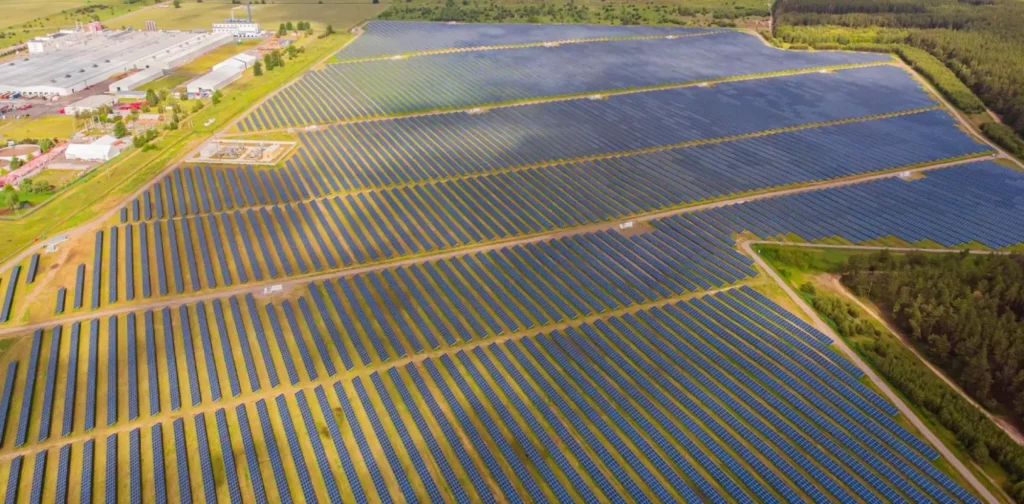
Photo: Oleksandr Ryzhkov on Freepik.
Although countries are on the move to switch from fossil fuels to renewable energy, some are still struggling to supply electricity at all. This is especially true for island states, where connecting outer islands to the main grid is often challenging. How can battery energy storage systems (BESS) present a cleaner alternative to tackle this issue?
Poor Grid Systems in Island States
Archipelagic countries are faced with the challenge of poor electricity distribution. Large nations like Indonesia and the Philippines, which already have established central grids, must spend more capital connecting their outer islands with the main grid. For Small Island Developing States (SIDS), the barrier is harder to cross.
Central grids generally require high expenditure for development and operation, more so when remote islands are involved. The work is too costly for governments of developing nations, and uncertainty in return on investment is hardly attractive for private companies. Unfortunately, citizens often end up bearing the brunt of it with high energy bills that may be unaffordable for many.
Thus, grid development in island states is usually decentralized. Standalone mini-grids and off-grid help electrify areas where the central grids do not reach. However, their capacity needs to keep up with the growing electricity demand.
BESS for Grid Flexibility
Grid flexibility is defined as the electricity system’s ability to respond to changing demands and supply from different sources. In fossil-fuel-based energy systems, energy supply has a fixed output that can be capped depending on consumer demand.
In contrast, variable renewable energy (VRE), such as wind, solar, and hydropower, is known for its seasonal fluctuations. In areas where stable renewable energy sources like geothermal and biomass are limited, some electricity systems rely on fossil fuels to respond to VRE fluctuations.
Many Pacific island countries used to rely on imported fossil fuels due to limited resources. Then, VRE technologies allow them to harvest their own energy source and become more self-sufficient. That said, the grid still needs fossil fuels to buffer VRE fluctuations. This is where battery energy storage systems (BESS) come in. Many island states seek BESS technology to improve grid flexibility and offset fossil fuel usage.
In 2022, Tonga commissioned the Popua Power Station that is integrated into the country’s existing grid. This power station has one short-duration system with a capacity of 7.2 MW/5.3 MWh for grid stability application and a 3.3-hour duration system of 6 MW/20.88 MWh for renewable load shift application. It is part of the Tonga Renewable Energy Project, which is financed by the Asian Development Bank, the Green Climate Fund, and the government of Australia.
Apart from the Popua Power Station, other renewable energy technologies and grid improvements are also deployed in the country. As a result, Tonga has been able to reduce its oil dependency by about 14% since 2016. In 2030, Tonga aims to achieve 70% of renewable energy share.
Future Opportunities and Challenges
There is a high opportunity for BESS development in island states. Battery technology has become more accessible globally, and its median price is expected to decrease in the near future. This allows the technology to be more affordable for developing nations.
However, battery resources are limited. The global pressure to accelerate the replacement of internal combustion engines with electric vehicles could lead to resource competition. Moreover, battery raw materials are projected to be depleted in the next few decades.
With the battery industry still in its infancy, more research and development is required to optimize the technology and ensure its development does not bring more harm to people and the planet. Experimenting with different materials and battery recycling are just a few things stakeholders have started and shall continue to work on.
Access to clean electricity is a basic need regardless of nationality. Multi-governments, businesses, and financial service institutions should prioritize dispensing resources to areas where they are most needed. Profiting off an emerging industry under the pretense of “energy transition” would only lead to further disparity.
Editor: Nazalea Kusuma
 The Widespread Impacts of Severe Drought in Somalia
  Ensuring Access to Justice for Women and Girls
  The Invisible Infrastructure: What ASEAN’s Carbon Market Needs Most
  Indonesia Ruled to Recognize Chronic Illness as a Disability
  Clean Cooking as a Developmental Multiplier in Africa
  Congo Basin Peatlands Are Releasing Ancient Carbon