

Incentivizing Literacy to Ease Prison Overcrowding in the Philippines
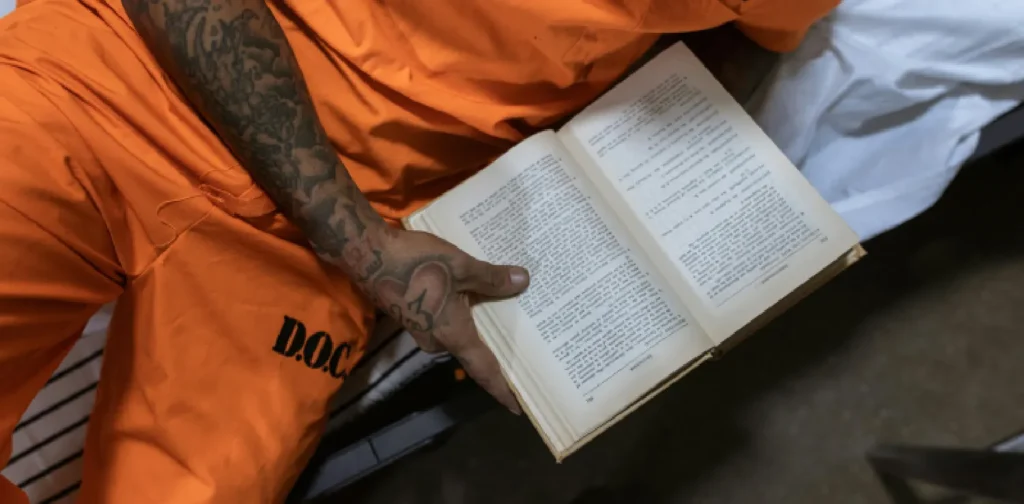
Photo by RDNE Stock project on Pexels
Sustainable development stresses the importance of “leaving no one behind,” including those deprived of liberty. Unfortunately, overcrowding of correctional facilities has become an increasingly common issue faced by persons deprived of liberty, affecting their wellbeing. In this light, the Philippines government and the United Nations Office on Drugs and Crime (UNODC) launched an initiative that uses literacy and incentives to ease prison overcrowding.
Prison Overcrowding
The prison population in Southeast Asia has shown the largest growth among Asian sub-regions. From 2010 to 2019, the number of detainees increased by more than 76%, reaching 1,188,000. As a result, many correctional facilities in Southeast Asia experience overcrowding due to their inability to keep up with the rising number of detainees. Many of these facilities even have an occupancy rate of over 200%.
Overcrowding in prisons is caused by several complex factors, with criminal justice policies being the significant contributor. Certain policies often lead to more people being imprisoned due to limited options for sentencing those convicted of minor offenses, excessive pretrial detention, or other related issues.
The lack of adequate space in prisons leads to multiple issues. These include higher health risks, such as the spread of communicable diseases, increased mental health issues, and a greater likelihood of violence. These issues make it harder to manage the facility, meet detainees’ basic needs, and raise safety and security risks for both inmates and staff.
Literacy as Solution
The Bureau of Jail Management and Penology of the Philippines has partnered with the United Nations Office on Drugs and Crime (UNODC) to launch an initiative titled “Read Your Way Out”. This initiative is designed to address the prison overcrowding issues in the Philippines.
The initiative offers inmates a remission incentive where they can earn a 15-day sentence reduction for every 60 hours of reading books each month. Thus, the initiative offers a potential solution by providing inmates with opportunities for sentence reduction, on top of increasing literacy rates among inmates, while also helping to tackle overcrowding in correctional facilities.
The program involves collaboration among various stakeholders, including academic institutions, government agencies, and international organizations, to provide reading materials that promote personal growth and education, which are essential for successful reintegration into society.
Leaving No One Behind
Correctional facilities have the responsibility to prepare persons deprived of liberty to reintegrate into society as better individuals and to help transform their lives away from crime. Unfortunately, overcrowded prisons limit access to resources, hinder effective rehabilitation, and deny inmates a generally humane and decent quality of life.
The unique initiative practiced in the Philippines demonstrates that literacy can be used to address the problem of prison overcrowding while improving personal development and creating a more literate group of persons deprived of liberty.Overall, tightly packed prisons contradict the universal sustainable development goal of leaving no one behind. Therefore, governments and related agencies need to ensure the rights of marginalized groups and promote literacy to achieve sustainable development and improve the quality of life for all.
Editor: Kresentia Madina

Dinda Rahmania
Dinda is an Assistant of International Partnerships at Green Network Asia. She holds a bachelor’s degree in International Relations from President University. As part of the GNA In-House Team, she supports the organization’s partnerships with international organizations, governments, businesses, and civil society worldwide through digital publications, events, capacity building, and research.
 The Invisible Infrastructure: What ASEAN’s Carbon Market Needs Most
  Indonesia Ruled to Recognize Chronic Illness as a Disability
  Clean Cooking as a Developmental Multiplier in Africa
  Congo Basin Peatlands Are Releasing Ancient Carbon
  From Anxiety to Action: How Youth Climate Activism Is Evolving
  India’s Supreme Court Declared Menstrual Health and Hygiene as Fundamental Rights