

Keys to Ensuring Inclusive Urban Transport Systems in the Asia-Pacific
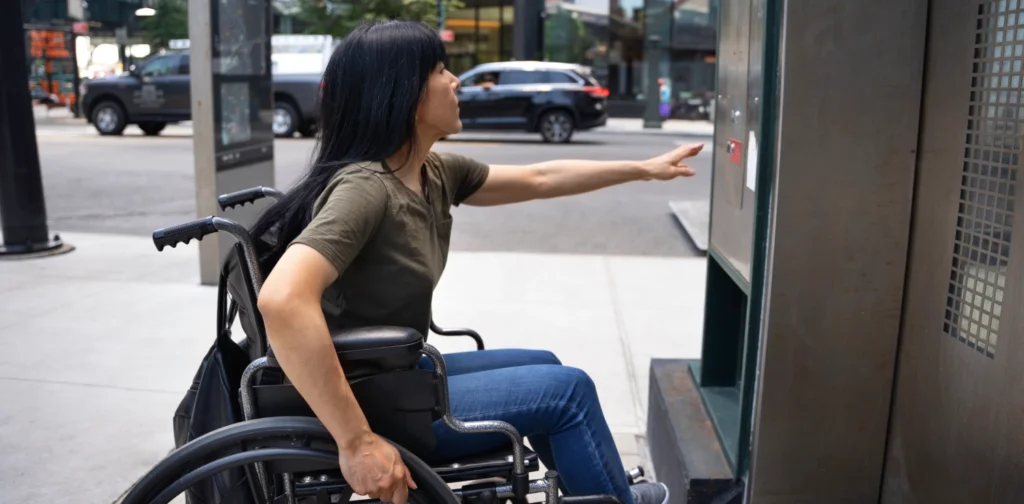
Photo: Freepik.
The transportation system connects people to their workplaces, schools, hospitals, markets, and each other, making it central to social and economic opportunities. Yet, throughout the Asia-Pacific region, urban transport systems often make daily mobility particularly challenging for vulnerable groups. In this light, ESCAP shares five key guidelines to create equitable urban transport systems.
Urban Transport Systems in the Asia-Pacific
Urban transport systems allow us to get from one point to another in a city with ease. However, across Asia, only 29% of urban populations live within convenient reach of public transport. This is lower than the global average of 36%. Moreover, the global demand for urban transport is projected to double between 2015 and 2050. With Asia-Pacific’s economic and population growth, the demand will significantly increase for the region.
This lack of accessibility affects millions of vulnerable people, such as the elderly and people with disabilities. More than that, it could deepen existing inequalities.
For example, poor infrastructure, such as the lack of step-free access, significantly exclude people with limited mobility. Public transport with a lack of disability-friendly facilities often forces people with disabilities to rely on costly transportation methods, such as taxis.
People living in low-income neighborhoods also face significant challenges from not having convenient access to public transport. They often struggle with high fares, daily energy-intensive long commutes, limited job opportunities, and poor access to essential services like healthcare and education.
Efforts to Bring Inclusivity
In the Asia-Pacific, efforts have emerged to create more equitable and accessible urban transport systems. For example, in India, the National Urban Transport policy prioritizes equitable road use, financial support for public transport, and creation of an integrated transport system that connects buses, metros, and other modes. Yet, its implementation was still focused on building roads instead of mass transit projects.
In other cases, grassroots communities fill the gap where formal transportation systems fall short. For example, an organized tribal women group in Dantewada, India, ran a government-subsidized electric rickshaw to provide connections for communities to markets, schools, and services in the area with no transport systems, improving local mobility and livelihood.
However, many groups continue to be left behind by inequitable and non-inclusive urban transport systems. Building more inclusive mobility is therefore key to achieving equality for all. In this light, the United Nations Economic and Social Commission for Asia and the Pacific (ESCAP) highlights five key guidelines for governments, transport agencies, and city planners to make urban transport more socially inclusive:
- Collect and use data wisely: Regularly collect information on community travel behavior and integrate it into planning. Measuring accessibility should use a standardized indicator for all groups.
- Mainstream social inclusion: Ensure public transportation is affordable and accessible, while integrating it with other mobility options such as walking and cycling. This way, everyone can benefit from an inclusive and connected urban transport system.
- Innovate for inclusion: Design smart transport solutions that address social gaps, while aligning national policies with regional strategies for inclusive mobility.
- Build capacity and awareness: Launch campaigns, training, and capacity-building programs that raise awareness and encourage sustainable, inclusive procurement in the transport sector.
- Promote collaboration: Ensure that different user groups, such as women, the elderly, persons with disabilities, and low-income communities, are actively consulted in planning, alongside cross-sector collaboration between transport, health, education, and other areas.
Inclusive Transport, Equal Opportunities
Building inclusive urban transport systems is crucial to creating an equitable society. It requires governments to implement projects beyond road expansions, such as integrating accessibility standards into national and local policies. Policy makers and city planners must involve the voices of vulnerable groups when designing projects and recognize communities as partners to bring context-driven solutions. All in all, ensuring equitable transport means ensuring equal access to opportunities in education, work, and health for all.
Editor: Nazalea Kusuma & Kresentia Madina

Co-create positive impact for people and the planet.
Amidst today’s increasingly complex global challenges, equipping yourself, team, and communities with interdisciplinary and cross-sectoral insights on sustainability-related issues and sustainable development is no longer optional — it is a strategic necessity to stay ahead and stay relevant.

Dinda Rahmania
Dinda is an Assistant of International Partnerships at Green Network Asia. She holds a bachelor’s degree in International Relations from President University. As part of the GNA In-House Team, she supports the organization’s partnerships with international organizations, governments, businesses, and civil society worldwide through digital publications, events, capacity building, and research.
 The Invisible Infrastructure: What ASEAN’s Carbon Market Needs Most
  Indonesia Ruled to Recognize Chronic Illness as a Disability
  Clean Cooking as a Developmental Multiplier in Africa
  Congo Basin Peatlands Are Releasing Ancient Carbon
  From Anxiety to Action: How Youth Climate Activism Is Evolving
  India’s Supreme Court Declared Menstrual Health and Hygiene as Fundamental Rights