

Shedding Light on Male Victims of Domestic and Intimate Partner Violence
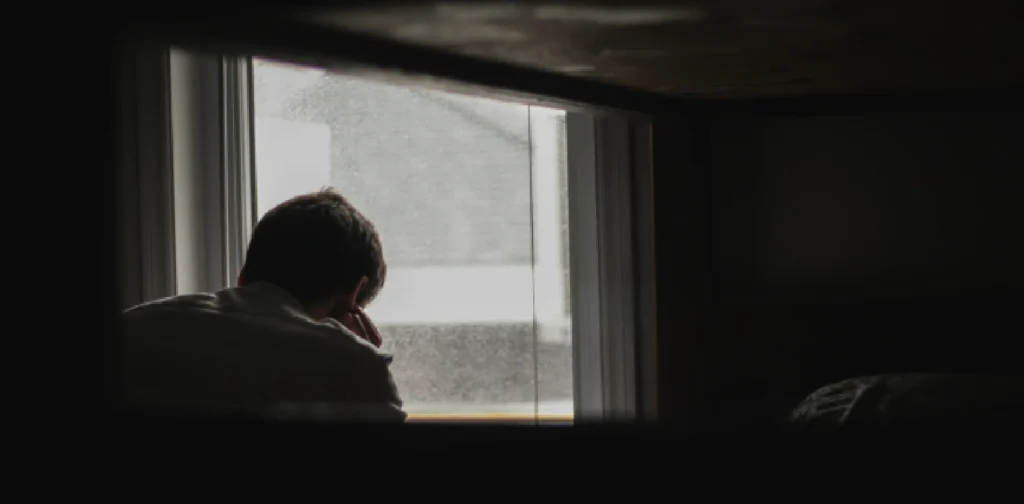
Photo: Andrik Langfield on Unsplash
Domestic violence remains a pervasive issue in society. Women and children are disproportionately impacted and highly vulnerable to abusive behaviors due to structural and societal power imbalances from gender inequality. However, men are not immune to abuse. Evidence suggests that male victims of domestic and intimate partner violence often face barriers that hinder them from seeking help.
Understanding Domestic and Intimate Partner Violence
Domestic violence refers to physical, sexual, psychological, or economic abuse done to gain or maintain power and control over household members, including spouses and children. Intimate partner violence (IPV) is the abuse that occurs between intimate partners, including in marriage, ex-marriage, and dating.
The World Health Organization (WHO) notes that women bear the overwhelming global burden of IPV, with men often as the perpetrators. Still, domestic and intimate partner violence can happen to anyone regardless of gender, age, and status. Male victims of abuse often experience challenges due to societal norms rooted in patriarchy and lack of access to aid and response services.
The Overlooked Victims
A study reveals that one in seven men experiences domestic abuse during their lifetime, yet male victims of domestic and intimate partner violence tend to be overlooked in public discourse. Another study highlighted that men are subjected to psychological abuse more frequently than physical violence, such as emotional pressure, social exclusion, and even financial abuse by their partners.
In Asia, rigid gender norms and cultural taboos complicate the situation. For instance, traditional gender norms in Indonesia imply that men should be strong and generally able to withstand injuries. This factor is the primary reason for the underreporting of abuse with male victims. A survey by the Indonesian Women’s Coalition (KPI) states that while 6.6% of men reported having experienced IPV, experts estimate that the actual number is much higher due to stigma.
Similarly, a 2024 study by Jichi Medical University revealed that approximately 12% of men in Asian society had reported suffering from domestic and intimate partner violence. In Japan, for example, the percentage of male victims of IPV reached 26.9% in 2022. Yet only 2.9% sought help due to shame or fear of ridicule.
Furthermore, the lack of regional data emphasizes the issue. National reports in countries like India and Malaysia often exclude male victims. This lack of reporting reinforces the incorrect idea that men cannot be victims and denies survivors access to healthcare, legal aid, and counseling.
Challenges and Ways Forward
Victims of domestic and intimate partner violence may experience long-term impacts of physical and psychological traumas. These can lead to serious mental health issues like PTSD, depression, and anxiety. More specifically, male victims may feel devalued and confused in the journey to understand their experiences, which may differ greatly from what traditional society values as masculine.
Still, every person has the right to a life free from violence and coercion. Supporting male victims of abuse requires raising public awareness to destigmatize the issue, establishing tailored, safe, and accessible support services and professionals, as well as improving data collection and information to guide effective interventions.
Editor: Nazalea Kusuma & Kresentia Madina
Co-create positive impact for people and the planet.
Amidst today’s increasingly complex global challenges, equipping yourself, team, and communities with interdisciplinary and cross-sectoral insights on sustainability-related issues and sustainable development is no longer optional — it is a strategic necessity to stay ahead and stay relevant.
 Noise Pollution Is Making Us Sick, and Climate Change Is Making It Worse
  Beyond Fashion: The Environmental Cost Behind Animal Leather
  Addressing the Hidden Risk of Microplastics from Offshore Infrastructures
  Addressing Antimicrobial Resistance as More Than a Medical Issue
  Holding Harmful Industries Liable for Harm to Human Life and the Environment
  Clearing the Air of Despair Surrounding the Climate Crisis with Data