

The Inequality-Pandemic Cycle amid Rising Global Vulnerability
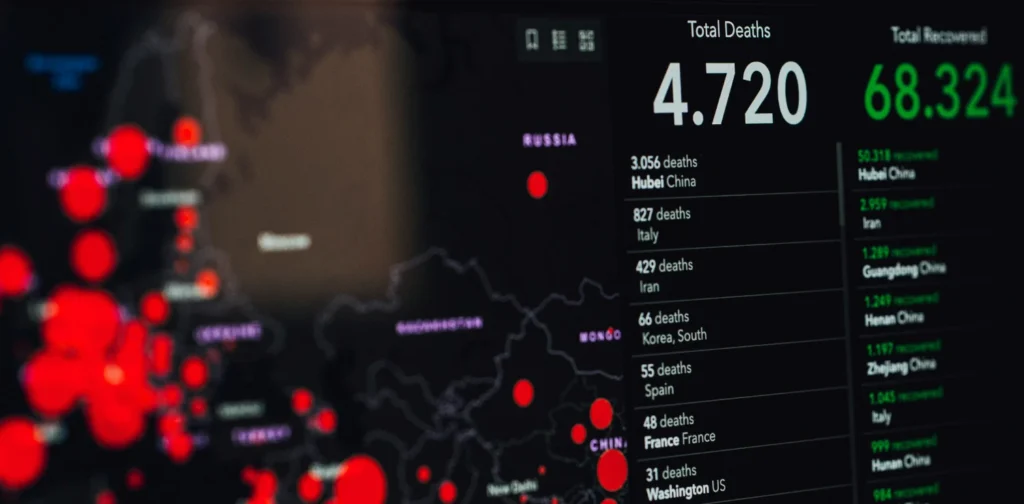
Photo: Markus Spiske on Unsplash.
Disease outbreaks and pandemics continue to pose a significant threat to global health and population. However, while the threat is universal, the impacts hit harder on marginalized communities. Their limited access to resources and facilities put them at higher risks of worse outcomes. This system perpetuates the inequality-pandemic cycle, highlighting how outbreaks and pandemics are inextricably linked with inequality.
The Inequality-Pandemic Cycle
After two years of research, the Joint United Nations Programme on HIV/AIDS (UNAIDS) launched a report exploring the global inequality-pandemic cycle. It found that inequality is making the world more vulnerable to pandemics and undermining global capacity to prevent and respond to outbreaks. Inequalities in income, education, race/ethnicity, gender and sexuality, and other aspects heighten people’s vulnerability to pandemics.
The impacts are real. According to the report’s analyses of impact data on HIV from 217 countries and COVID-19 from 151 countries, countries with higher rates of inequality saw higher COVID-19 and AIDS mortality, as well as higher rates of HIV infection.
For instance, research found people living in informal settlements in African cities to have higher HIV prevalence. It also linked people without basic education in Brazil or those who live in overcrowded housing in England to higher mortality rates from COVID-19.
In short, inequality makes pandemics deadlier, longer, and more economically disruptive. The condition, in turn, exacerbates inequalities. The report describes this as a “cyclical, self-reinforcing relationship”.
Inequalities Between Countries
Inequalities between countries are also a key factor. Some countries lack the means to respond effectively to outbreaks like COVID-19 or Ebola. Developed countries were able to finance healthcare spending and economic mitigation through the shocks. In contrast, developing countries did not. Their external debt burden rose to 12% in 2020, despite having lower spending during the COVID-19 pandemic.
However, countries’ financial capacity was not the sole factor. Breakthrough health technologies, such as vaccines and medicines, were quickly made available in the Global North, but were slow to reach the Global South. Six months after COVID-19 vaccines received approval, high-income countries had 90% of what they needed to cover priority populations. Meanwhile, low-income countries had only enough to cover 12% of their population who were most at-risk. This unequal access to healthcare intensified global vulnerability to pandemic.
Breaking the Cycle
The report also highlights how the devastating impacts of pandemics disproportionately hit the poor populations. Due to the COVID-19 pandemic, about 165 million people were pushed into poverty, with informal workers and women experiencing the biggest shocks. Meanwhile, billionaires’ wealth increased by more than a quarter (27.5%) at the height of the crisis from April to July 2020.
Another example was the AIDS pandemic, in which a 1% increase in HIV prevalence was estimated to reduce per capita income growth by 0.47%. Other outbreaks, such as SARS, MERS, Ebola, and H1N1 influenza, also led to a persistent increase in inequality.
Ultimately, getting ahead of global threats requires bridging gaps and working together. The report suggests that the inequality-pandemic cycle can be interrupted with a new approach to pandemic prevention, preparedness, and response. It is crucial to take account of existing inequalities and respond with evidence-based policies.
Governments and international organizations must take the lead by removing global financial barriers and investing in social protection mechanisms to reduce shocks, among others. A collaborative approach is also necessary to build response systems that include cross-border, multi-sectoral governance structures and community-led organizations.
Editor: Nazalea Kusuma
 All Pain, No Gain for Women from the Tobacco Industry’s So-Called Generosity
  Upholding the Women in Agriculture Who Are Feeding Africa
  The Role of Trade Unions in Peacebuilding
  Red Flags in the EU’s Industrial Accelerator Act (IAA)
  Untangling the Root Causes Underneath Lesotho’s Suicide Crisis
  Looking into the Inadequate Legal Recognition for Women’s Tenure Rights Across the Global South