

Looking into Malaysia’s Energy Transition Progress
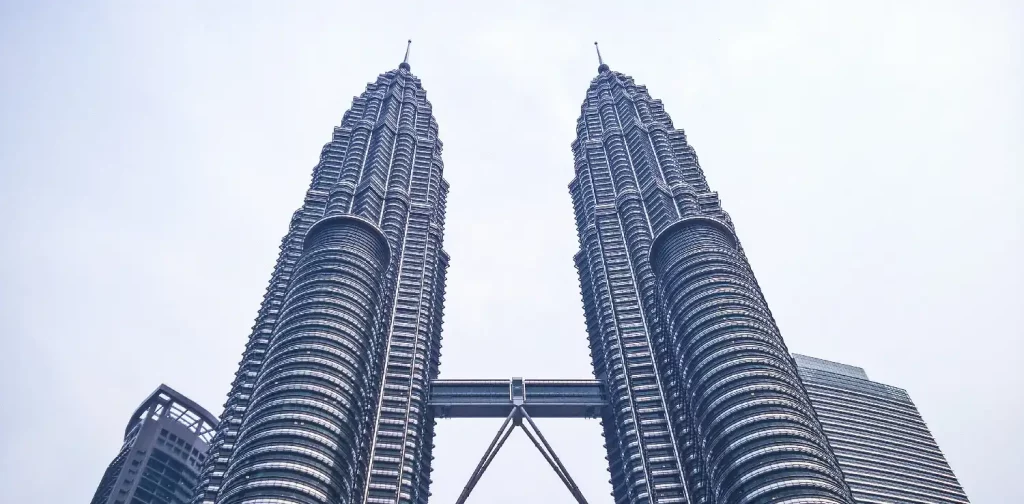
Photo; Soumojit Basu on Pexels.
The earth is getting hotter, and the call for energy transition is getting louder. Malaysia is one of the countries that has declared its commitment to reach net-zero emissions following the Paris Agreement. Then, how is the country’s progress so far? A report by the International Renewable Energy Agency (IRENA) shares an outlook on Malaysia’s energy transition.
Current State
Malaysia is the third largest country among the ASEAN Member States. The country’s population has grown from 32.7 million in 2022 to 33.4 million in 2023. By 2050, Malaysia’s population is expected to rise to 40.7 million. Consequently, the size of the economy and energy demand are most likely to follow suit.
As of 2020, fossil fuel-based power sources still dominated the country’s primary energy mix, consisting of natural gas (42.4%), crude oil and petroleum products (27.3%), and coal (26.4%). Despite this, the report by IRENA shares that continuing to use fossil fuels amidst the volatile international oil and gas markets and diminishing resources will be costly for Malaysia. Transitioning into renewable energy, on the other hand, will allow the country to save between USD 9 billion and USD 13 billion annually under ambitious strategies.
Malaysia’s Energy Transition
Malaysia has a strong potential for renewable energy. Due to its location, the country has abundant solar power, good wind streams, and rich hydropower potential. However, this potential is still largely under-utilized. In 2020, renewable energy, consisting of hydropower, solar, and bioenergy, only comprised about 3.9% of Malaysia’s total power mix.
Malaysia is committed to increasing its renewable energy share to 59% of the total energy mix by 2050. This aligns with its goal to reach net-zero emissions as early as 2050. Several policies and frameworks have already been placed, from the National Energy Policy 2022–2040 to the National Energy Transition Roadmap.
According to the report, key actions for Malaysia’s energy transition will include scaling clean electricity and energy efficiency, increasing renewable solutions in end-uses, and improving investment in energy transition. Electrification will also play a significant role in decarbonizing key sectors like industrial and transportation.
Next Steps
The energy sector is fundamental. It supports our daily lives and contributes to the economy through job creation and trade. However, it is also one of the most significant contributors to global carbon emissions. Decarbonizing the sector is no longer a question; it’s imperative.
IRENA outlines several key recommendations to advance Malaysia’s energy transition:
- Utilizing the long-term opportunities of the energy transition through developing cohesive and integrated long-term energy planning strategies.
- Developing a more robust regulatory framework by enhancing the large-scale solar programme and a well-functioning feed-in tariff mechanism.
- Developing new policy mechanisms for increased participation of various consumers and opening new renewable energy markets.
- Improving system flexibility for cost-effective integration of renewables.
- Supporting the enabling technologies in the end-use sectors, focusing on hard-to-abate sectors.
- Accelerating renewable energy finance.
Read the full report here.

Kresentia Madina
Madina is the Assistant Manager of Stakeholder Engagement at Green Network Asia. She holds a bachelor’s degree in English Studies from Universitas Indonesia. As part of the GNA In-House Team, she supports the organization's multi-stakeholder engagement across international organizations, governments, businesses, civil society, and grassroots communities through digital publications, events, capacity building, and research.
 Clean Cooking as a Developmental Multiplier in Africa
  Congo Basin Peatlands Are Releasing Ancient Carbon
  From Anxiety to Action: How Youth Climate Activism Is Evolving
  India’s Supreme Court Declared Menstrual Health and Hygiene as Fundamental Rights
  Impacts of E-waste Pollution on Animals and Human Health
  Africa’s Solar Energy Surge: Why 2025 Was a Breakthrough Year