

Restoring Underwater Kelp Forests in Australia
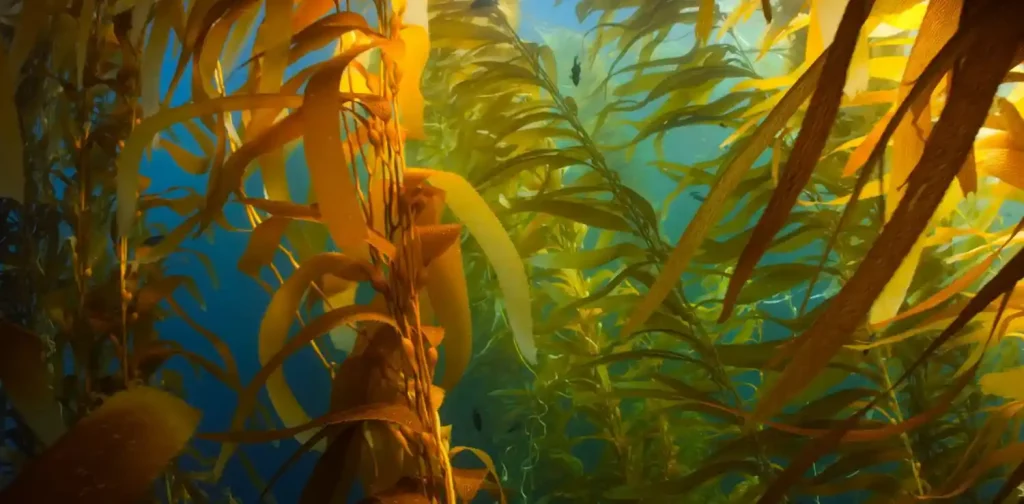
Photo by Oleksandr Sushko on Unsplash
We are all familiar with the forests above the land, but did you know there are also underwater forests? Kelp is a type of brown algae that live on the coastlines across the world. The area where kelps are growing in a dense population is also called a kelp forest.
Like the land forests, these sea forests have been suffering from a population decline due to climate change. As one of the homes of giant kelp forests, Australia has been making several attempts to restore the giant kelp forests in their areas.
Kelp forest: the benefits and declines
Kelp forests usually exist where the water is relatively shallow and penetrable by sunlight. Their functions are similar to the land forests: an ecosystem for animals and organisms to live and excellent CO2 absorbers.
Kelp forests have been facing a population decline. The Giant Kelp Marine Forests of South East Australia are listed as endangered under the Environment Protection and Biodiversity Conservation Act 1999 (EPBC Act).
The main culprit behind it is global warming. The rising temperature of seawater stresses the kelps, which thrive in cool temperature water. The sudden boom of sea urchins due to the lack of their natural predators also causes overgrazing, where plants are overly-consumed to the point where only patches of soil are left.
Restoration strategies and successes
Researchers in Australia examine the restoration efforts of the kelp forests. The article identifies two main strategies for kelp forest restoration: assisted recovery and active restoration.
Assisted recovery strategy ensures the recovery of kelps by removing sea urchins or installing substrata—a layer of rock or soil beneath the surface of the ground—for kelp colonization. Meanwhile, an active restoration strategy involves transplanting adult and young kelps from a donor site or outplanting lab-cultured kelps.
One notably successful attempt is Operation Crayweed. This operation aims to re-establish crayweed, a species of brown algae, to their original habitat at the Sydney reef using the transplantation strategy. Attaching the transplanted crayweed into the deforested rocks allows them to reproduce and create a new and self-sustaining population on the reef. In 2019, crayweed started multiple generations in six different locations.
A chance to fight climate change
The ocean covers 71% of the earth’s surface. The ocean ecosystem is a crucial—but often neglected—part of our efforts to achieve sustainability.
In recent years, algae have captured the attention of researchers due to their benefits. This discovery shows that efforts, funds, and studies should also go into researching and understanding our ocean. Restoring the underwater forests around the world and making sure they’re sustainable means tapping into new resources and possibilities in helping us fight climate change.
Editor: Nazalea Kusuma
Co-create positive impact for people and the planet.
Amidst today’s increasingly complex global challenges, equipping yourself, team, and communities with interdisciplinary and cross-sectoral insights on sustainability-related issues and sustainable development is no longer optional — it is a strategic necessity to stay ahead and stay relevant.
Kresentia Madina
Madina is the Assistant Manager of Stakeholder Engagement at Green Network Asia. She holds a bachelor’s degree in English Studies from Universitas Indonesia. As part of the GNA In-House Team, she supports the organization's multi-stakeholder engagement across international organizations, governments, businesses, civil society, and grassroots communities through digital publications, events, capacity building, and research.
 Displaced and Depressed: Addressing the Mental Reality of Climate Migrants
  The Hidden Gender and Equity Gaps in Public Toilets
  The Truth Behind Space Debris and the Urgency for Space Governance and Accountability
  Non-Economic Loss and Damage: Making sense of our intangible loss in a changing climate
  Unpacking SBTi’s Corporate Net-Zero Standard V2.0: Balancing Science and Business Realities
  Farmer Loneliness, the Overlooked Mental Health Crisis Within the Food System